Dangerous Swim Floats On Sale At Major Online Marketplaces
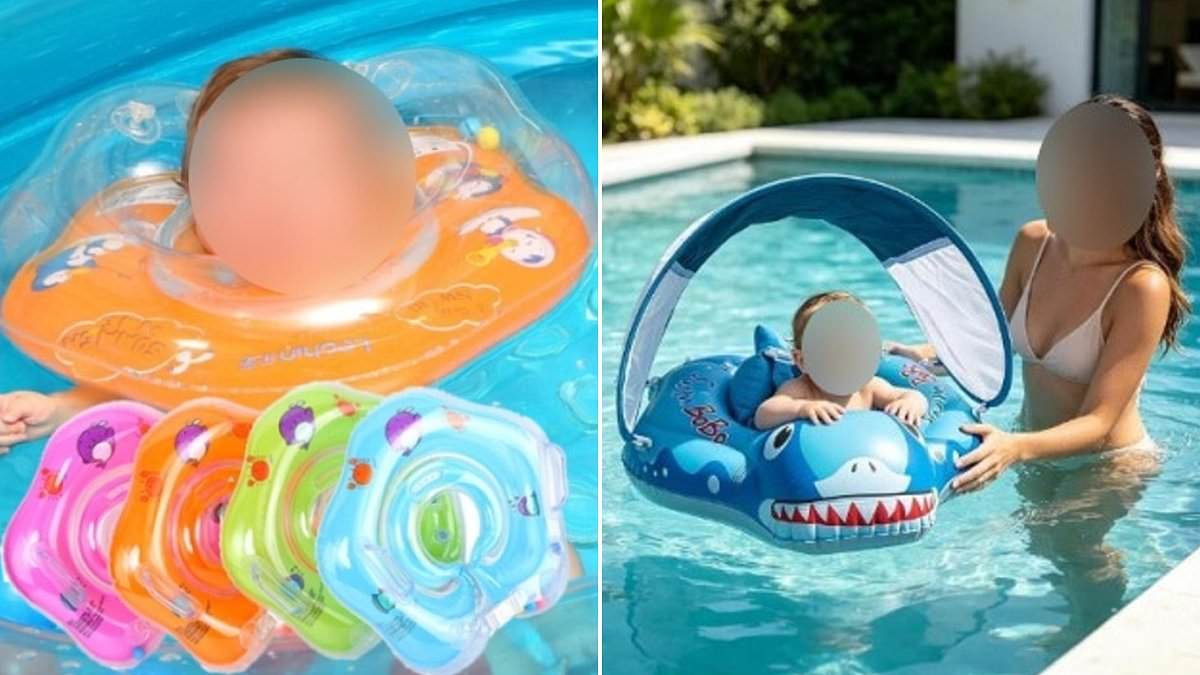
Parents need to hear this warning immediately. Hundreds of swim floats sitting on shelves at Amazon, eBay, Vinted, and other major online marketplaces could put children at risk of drowning. Investigators from Which? combed through these sites and found 171 questionable floats for sale. They searched using reverse-image searches and specific key terms to track down similar products that had already triggered safety alerts in the UK or overseas.
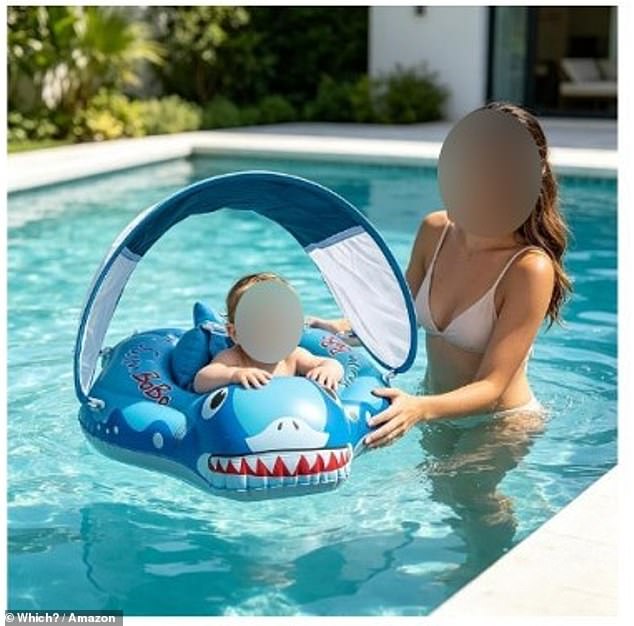
The dangers are not subtle. Some models feature canopies meant to provide shade, but these act like sails when the wind blows. A gust can lift the float or cause it to tip over instantly. This traps babies underwater before anyone can react. Other floats rely on inflatable rings that fasten around a baby's neck. Experts say this design poses serious risks of drowning, suffocation, and injury by placing too much pressure on an infant's airway.
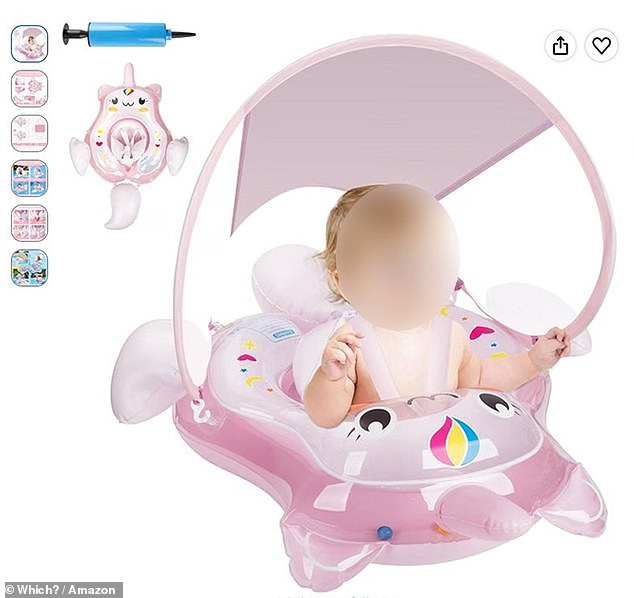
Amazon's own AI shopping assistant flagged one specific float as dangerous. It warned buyers about significant safety concerns because the item looked too similar to products that had already been recalled. Sue Davies, head of consumer protection policy at Which?, explained why this happens. She said babies' lives are potentially at risk because online marketplaces allow anonymous third-party sellers to list almost anything with no consequences.
'We've seen time and again that they will not do enough to prevent the sale of unsafe products unless they are forced to,' Davies stated. The investigation revealed dozens of floats resembling recalled items linked directly to drowning risks. While parents might be tempted by a float with a canopy, experts warn it increases wind resistance dramatically. In windy conditions, these devices become unstable hazards rather than safety aids.
There is also the issue of complacency. The toy-like design encourages parents to relax their guard around water. One listing on eBay showed a baby alone in a shark-themed float while parents lounged by the pool side. This visual suggests it is safe for a child to be unattended, which is a deadly illusion. These products often bypass standard safety checks because they are sold as generic items rather than regulated toys.
The core problem remains limited access to real information for families trying to keep their children safe. Privileged sellers list unsafe goods without fear of penalty. Unless authorities force marketplaces to act, these dangerous floats will continue to appear on search results. Parents must look closely at what they buy and ignore listings that seem too convenient or cheap. The risk is not theoretical; it is real and waiting in the water.
Amazon's AI shopping assistant actually told users to steer clear of one specific float, warning of significant safety concerns because the item looked too much like recalled products. This isn't just a glitch; it is a stark signal that dangerous gear has slipped through digital cracks. The consumer group behind Which? is now shouting for the UK government to step in and make online marketplaces take the lead on product safety. They want these platforms to crack down hard on third-party sellers who flood shelves with hazardous items.
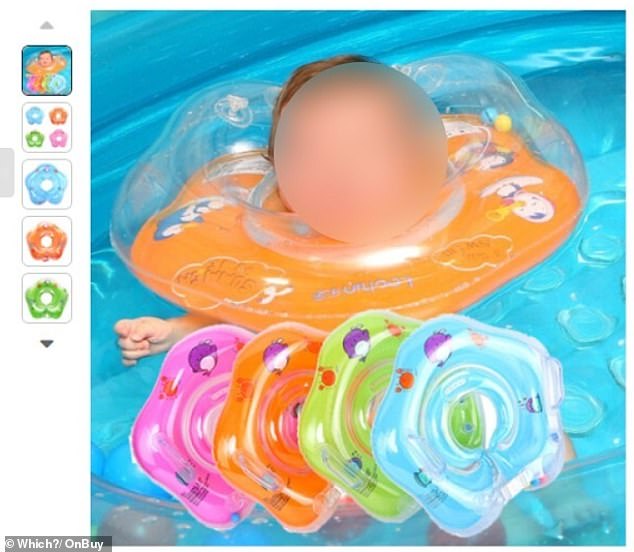
Kaylë Brightwell, Director of Education for the Swimming Teachers' Association, issued a direct plea to parents: stop using baby neck floats. She explained that swimming should foster safe, positive moments in the water that build confidence and encourage natural movement. Most importantly, it is about bonding between parent and child. 'Babies should be closely supported in the water at all times, with constant and active adult supervision,' Brightwell stated. 'Devices that support a baby by the neck do not align with this approach, and no flotation device should ever be considered a substitute for close adult supervision and physical support in the water.'
Every marketplace involved says they treat safety as a top priority. They have pulled the flagged listings after Which? raised alarms and are now running wider reviews to hunt down similar dangerous products before anyone gets hurt. Amazon is digging into how these items appeared on its site, noting that their rules strictly require third-party testing and certification for every seller. AliExpress, eBay, OnBuy, and Shein confirmed they removed the goods immediately. They are tightening their monitoring and enforcement rules right now. OnBuy went further by launching a full recall and offering refunds to anyone affected. Vinted stated clearly that prohibited products have no place on its platform. When safety issues pop up, they remove the listings and suspend the accounts responsible without hesitation.
Photos