Daily Wholegrain Bread Boosts Heart Health and Cuts Weight
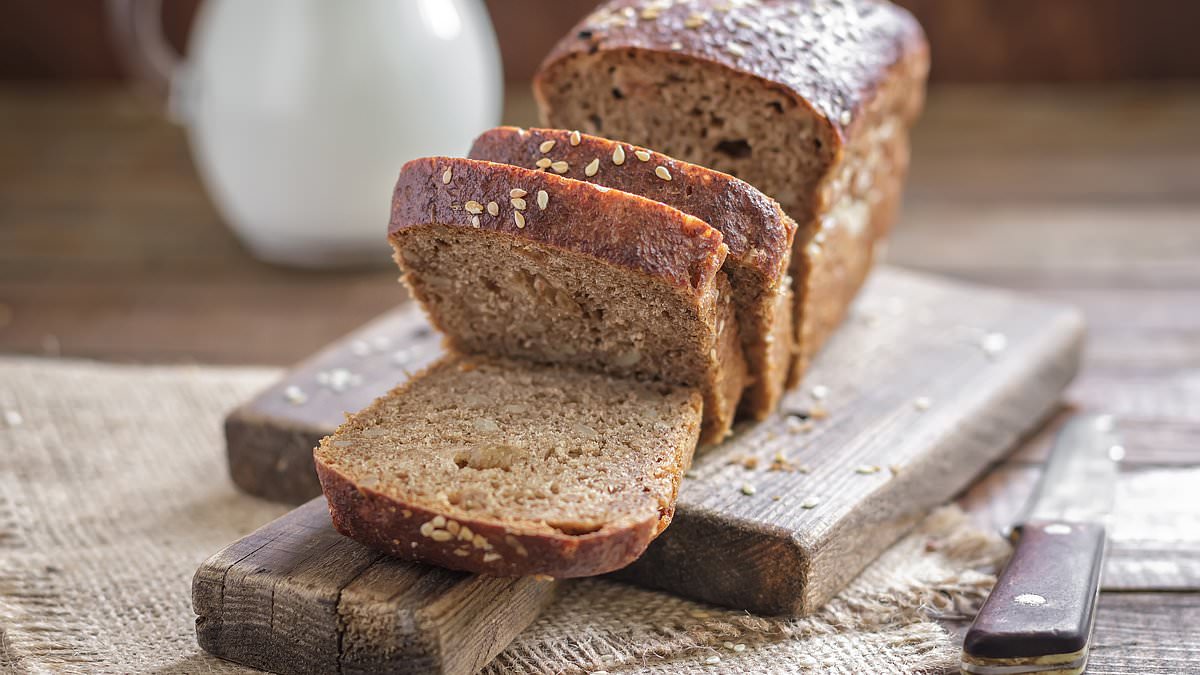
A single sandwich eaten each day might shrink your waistline, drop cholesterol levels, and slash the danger of a heart attack, according to a fresh study.
Scientists found that eating the equivalent of two large slices of wholegrain bread daily connects to a host of heart benefits, including weight loss. They reached this conclusion by sorting through every available piece of research on wholegrain foods and cardiovascular health, which included 87 clinical trials.
Wholegrain covers any food made from all parts of the grain, bits that usually vanish during processing. Think porridge oats, wholewheat pasta, brown rice, or standard wholegrain bread. These are healthier swaps for white rice and regular pasta.
Just 48g a day, about two large slices of brown bread or a bowl of oats, could boost heart health. Experts noted the biggest gains happened when intake jumped to between 60g and 100g daily, roughly four large slices. That amount delivered the sharpest cuts in high blood pressure, bad cholesterol, and harmful blood fats.
Dr Helda Tutunchi, an associate professor at Tabriz University of Medical Sciences in Iran who led the study, said this left a practical question hanging: how much whole grain should people eat to meaningfully improve their cardiovascular health? The team answered it by analyzing data from more than 6,500 people across Asia, Europe, the US, Canada, and Brazil. Their findings are published in the European Heart Journal.
Consuming just 48g of whole grains per day was linked to losing roughly 0.2kg, or about half a pound, on average. Because the studies lasted anywhere from two weeks to two years, researchers could not pinpoint exactly how fast that weight loss occurred. Waist size also shrank by around 0.22 centimetres with that daily intake. A smaller waist means less visceral fat gathering around organs, which lowers the risk of diseases like type 2 diabetes and cancer.
Total cholesterol levels fell by about 0.10 mmol/L. The NHS advises Britons to keep total cholesterol at or below 5mmol/L. Most of that drop came from low-density lipoprotein, known as bad cholesterol, which slid by around 0.07 mmol/L. The NHS target for this specific reading is below 4mmol/L. High levels allow fatty deposits to build up in arteries and block blood flow, raising the threat of heart attack and stroke. Triglycerides, a type of blood fat that drives heart disease when high, also dropped by 0.04 mmol/L.
Experts say these results show a simple, accessible, and affordable way for people in the UK to tweak their diets and lower the chance of falling victim to some of Britain's biggest killers. Foods made from whole grains have long been linked to protecting against disease like type 2 diabetes because they undergo less processing than counterparts like white bread. This means they keep key nutrients such as fibre, B vitamins, iron, zinc, magnesium, healthy unsaturated fats, and plant compounds called phytonutrients.
A healthy reading for this metric sits below 1.7mmol/L. Systolic blood pressure, the top number on a reading that measures force against the arteries when the heart beats, fell by 0.82 millimeters of mercury (mmHg). The NHS advises Britons to eat whole grain foods. They do so for various reasons, including increasing fibre intake. This nutrient is vital for gut health. Whole grains also make people feel fuller for longer, aiding weight loss efforts.
The biggest boost appeared among those who ate 60g to 100g of whole grains per day. At this level of consumption, the drop in blood pressure was three times greater than expected. Total cholesterol dipped by 0.21 mmol/L. LDL cholesterol fell by 0.16 mmol/L while triglycerides dropped by 0.08 mmol/L.
'Our findings provide a practical indication of the amount of wholegrain that may be needed to achieve meaningful improvements in cardiovascular risk factors,' said Dr Tutunchi. 'Increasing wholegrain intake is a relatively simple, accessible and affordable dietary strategy that can complement other lifestyle and medical interventions.' This approach offers hope for public health without requiring expensive treatments or drastic changes.
Photos