Daily Deli Meat Consumption May Double Dementia Risk
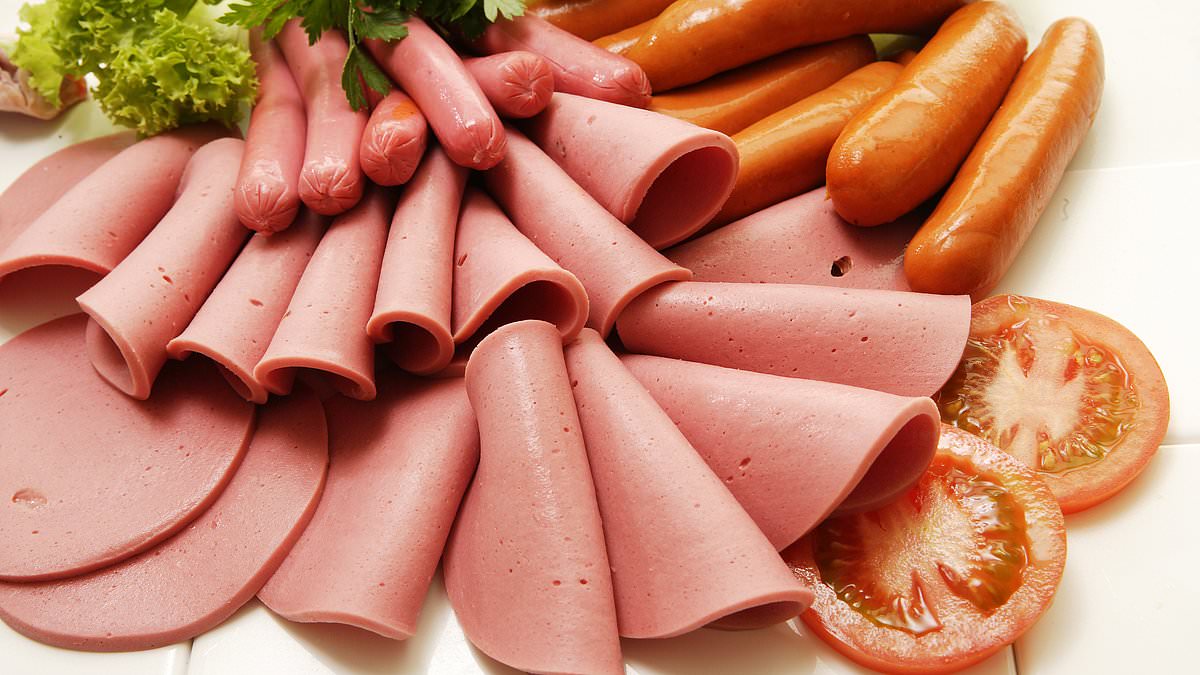
Eating two slices of deli meat every day might boost your chances of developing dementia, according to a fresh look at the science. A team working across 26 different institutions sifted through data on more than half a million people to see how ultra-processed foods change brain aging. Their review showed that adding just twenty-five grams of processed meat like deli turkey, bacon, or hot dogs daily linked with a forty-four to fifty-two percent jump in dementia risk. That twenty-five gram portion equals two slices of sliced turkey, one strip of bacon, or roughly half a hot dog.
Dr Owen Carmichael from Louisiana State University's Pennington Biomedical Research Center noted that many folks worry about additives and processing but struggle to tell which health claims are real. He said this review lets us pause and check all available evidence on how these foods might hurt the brain. The takeaway is clear: some data looks worrying, yet big questions remain about exactly how these links work for long-term thinking skills.
No one knows precisely how preservatives like nitrates used in meat processing damage nerves, but experts think they spark inflammation and harm blood vessels that memory needs to stay intact. Conversely, foods packed with antioxidants and omega-3 fatty acids such as berries, salmon, and avocado help calm inflammation and keep brain cells strong. The researchers warned their findings show a connection, not proof that eating processed meat directly causes dementia, so more study is needed.

They wrote that following advice to cut back on ultra-processed food at both personal and community levels seems promising for protecting older minds. This news arrives as over seventy percent of the US food supply consists of industrial ingredients and preservatives instead of whole foods. Seven million Americans live with dementia now, a number projected to double by 2050. Deli meat has already faced blame for other health issues like colon cancer.
Experts think preservatives like nitrates turn into carcinogens inside the body, wrecking healthy cells. The Dietary Guidelines for Americans tell people to drastically cut back on highly processed fare such as deli meats. A fresh review hitting the pages of the Annual Review of Nutrition examined more than 170 studies tracking diets and long-term health across over half a million humans. Scientists also dug into how diet impacts brain function and cognitive slip in both animals and folks.

The bottom line came clear: anyone gulping down larger servings of ultra-processed foods faced a steeper climb toward dementia. One paper from Brazil followed more than 10,000 adults for eight years. Those getting over 20 percent of their daily calories from ultra-processed snacks saw memory and reasoning skills fade faster. But this drop-off only hit people who did not stick closely to the MIND diet. This version of the Mediterranean plan focuses on berries, leafy greens, nuts, fatty fish, beans, and legumes.
Researchers also looked at what happens when folks swap out these processed items for unprocessed ones. An analysis using UK Biobank data used math modeling to show that replacing just 10 percent of calories from ultra-processed goods with plain food slashed dementia risk by 19 percent. Pooled data from multiple reviews added another layer: people eating more ultra-processed food had a 22 to 53 percent higher shot at developing depression or anxiety symptoms.
Brain scans linked to high intake of fat, sugary drinks, meat, and processed meat revealed smaller brain volume. This shrinkage could damage the mood and memory centers deep inside the head. The researchers admitted a major hurdle in their work is separating out the effects of preservatives from processing itself, while also untangling added fat, sugar, and salt found in these same foods. They are calling for more research to pin down exactly how these factors interact. While eating less processed meat might lower dementia odds, it is not yet a proven prevention strategy.
Photos