Custom Mouthguards Offer New Hope for Sleep Apnoea Patients
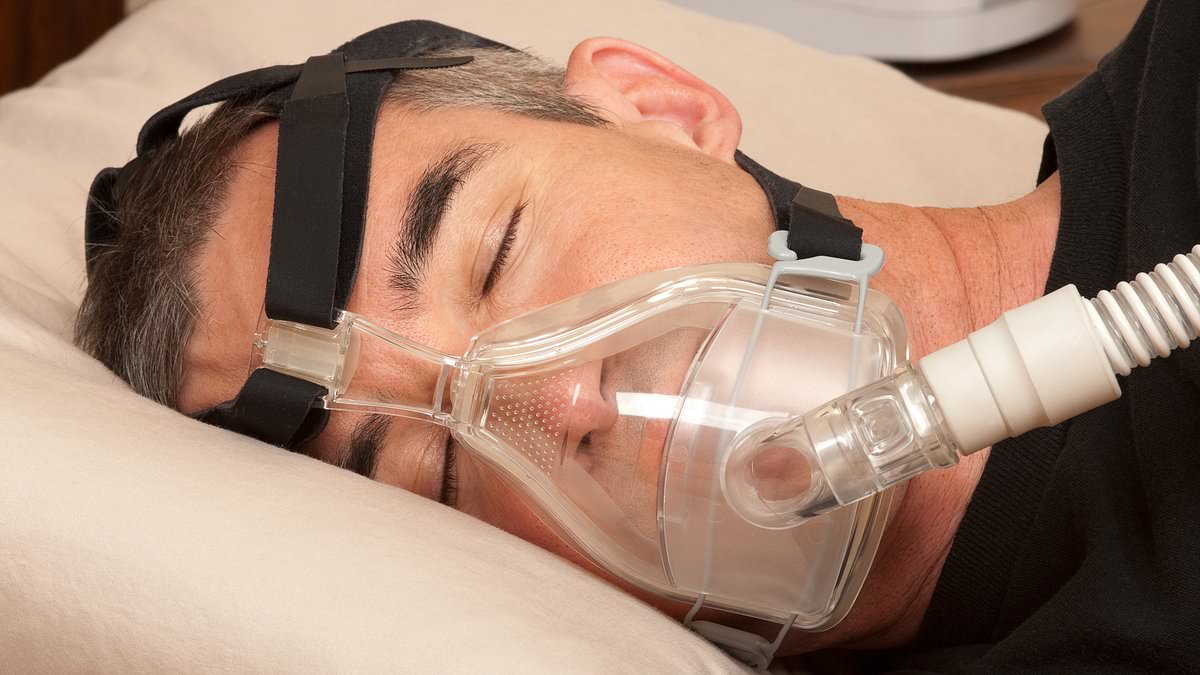
Eight million people in the United Kingdom struggle with sleep apnoea. Their nights are often ruined by a CPAP machine that feels like noisy torture. The mask traps them in a claustrophobic cage and wakes their partners up constantly. Many sufferers simply quit using it within twelve months because the discomfort is too great to bear. This leaves them exhausted during the day while snoring disrupts everyone around them.
The problem stems from throat muscles relaxing too deeply at night. Breathing stops for seconds on end, starving the brain of oxygen. Over time these repeated drops in blood oxygen levels spike blood pressure and increase the risk of heart disease or stroke. For years doctors have relied solely on CPAP as the gold standard treatment. Yet that solution fails a vast number of patients who need better options immediately.
Dr Amanda Sathyapala from Imperial College London offers a glimmer of hope through custom-made mouthguards. She states clearly that a mandibular splint can reduce breathing pauses by fifty per cent or more in roughly sixty per cent of cases. This simple device holds the lower jaw forward to keep airways open while people sleep. For those with mild apnoea it often restores normal readings and clears away daytime drowsiness entirely. The catch is that private dentists charge between seven hundred and fifteen hundred pounds if NHS access fails.
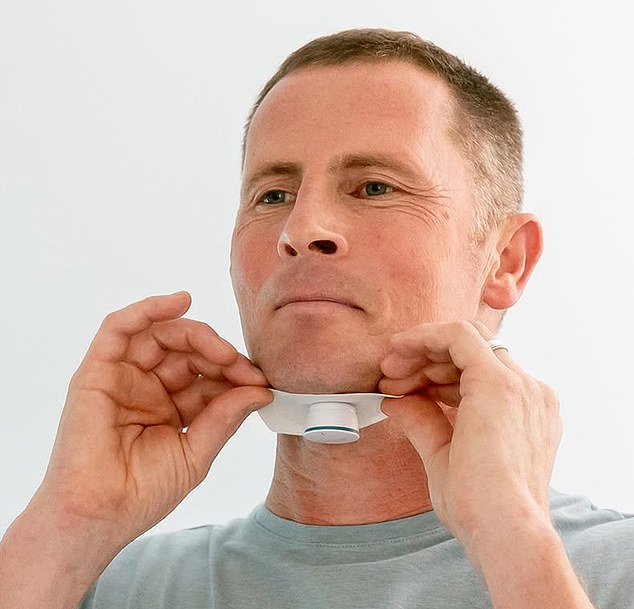
New technology arrives on the scene via a sticky patch worn under the chin. King's College London developed this Zeus device to deliver electrical pulses directly to the hypoglossal nerve. That specific nerve controls tongue muscles which prevent airway collapse during rest. Users clip a rechargeable chip onto the adhesive patch each night for daily therapy sessions. Research published in eClinicalMedicine showed that half of fifty-six trial patients saw breathing interruptions fall below five per hour. A major NHS trial is currently underway to test this method on a wider patient population. Success there could mean prescriptions available across Britain by 2027.
However, these medical tools are not approved or marketed as treatments for obstructive sleep apnoea (OSA).
Doctors offer nerve implants for severe cases where people stop breathing more than 30 times an hour.
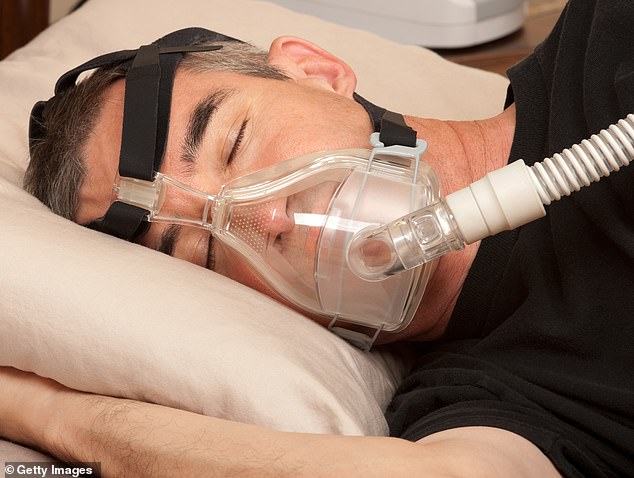
A small battery-operated device goes under the skin in the upper chest to send electrical signals that wake up the tongue and throat muscles.
The surgery happens under general anaesthetic. Two thin wires tunnel away from the generator in the chest. One wire moves up through the neck to connect with an electrode via an incision in the jaw. It wraps around the hypoglossal nerve.
The other wire attaches to a breathing sensor implanted between the ribs. This sensor detects pressure changes as the patient tries to breathe in.
The device then times the electrical pulse that moves the tongue forward with each breath.
Research from 2014 reported in The New England Journal of Medicine showed the Inspire device reduced breathing interruptions by 50 per cent in about two-thirds of patients.
Dr Sathyapala notes it has been available to NHS patients since 2023. But access is restricted. It only helps those with moderate to severe OSA and a BMI under 32.
For severe sleep apnoea, one alternative is an implant device called Genio. This uses a small adhesive patch under the chin to stimulate the nerve that controls the tongue.
Patients also need the right sort of airway collapse. The size and position of the soft palate and tongue can vary individually.
In some people, the throat collapses from side to side during sleep. In others it shuts from front to back. The implant works only for the second group.
Dr Sathyapala says the only way to tell which kind a patient has is to sedate them and send a tiny camera down the throat to see what happens.
So far, fewer than 100 NHS patients have been fitted with Inspire since the roll-out began in 2023. Privately, it costs around £40,000 for the surgery.
A newer alternative called Genio is roughly the size of a 50p coin. It inserts through a single 6cm-sized incision under the chin. It stimulates two nerves that control the tongue.
It does not use a battery. Instead the patient sticks a small adhesive patch under their chin at bedtime. An activation chip, a little bigger than a £1 coin and weighing 12g, clips on to the patch. It wirelessly transmits power through the skin to the implant. The chip is removed and recharged each morning.
Genio targets adults with moderate to severe obstructive sleep apnoea. The first two NHS patients received the treatment in December 2024.
A study published in the Journal of Clinical Sleep Medicine in 2025 showed around 60 per cent of patients had their breathing interruptions cut by at least half after a year.
It is approved for NHS use but currently only available at a few specialist centres. Privately, it costs around the same as the Inspire device.
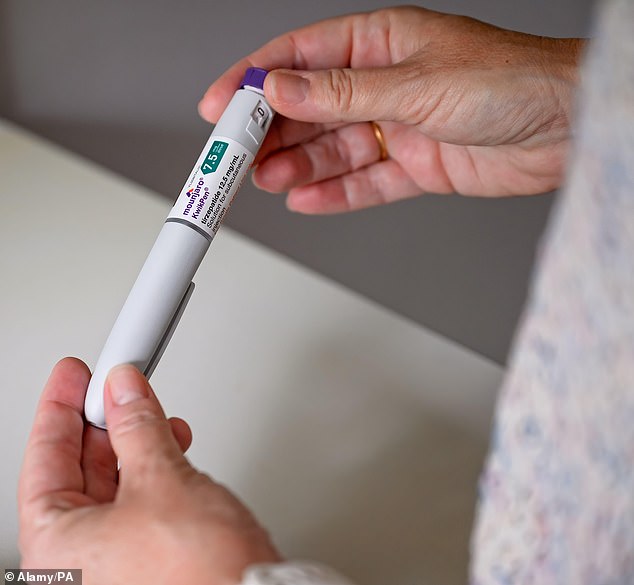
Weight-loss jabs can also help sleep apnoea. Mounjaro was found to cut breathing interruptions by about half in affected obese adults.
For some patients, the answer may be losing weight.
Extra fat around the neck and throat can press on the airway, making it more likely to close during sleep. This physical pressure creates a direct threat to breathing stability while we rest. The weight-loss jab tirzepatide, sold under the brand name Mounjaro, was found to cut these breathing interruptions by about half in obese adults with moderate to severe OSA. The New England Journal of Medicine reported this finding back in 2024. US regulators have now approved tirzepatide for OSA in adults with obesity – marking the first time any weight-loss drug has received such approval anywhere in the world. But in many patients, sleep apnoea is linked to the shape of the jaw or throat, or the muscles that relax at night, so weight loss alone may not be enough.
A daily pill called AD109 may be another option – it works by keeping the tongue and throat muscles more active during sleep. The pill combines atomoxetine, which doctors already use for ADHD, with aroxybutynin, a newer drug related to one used for bladder problems. This combination is thought to boost the nerves that keep the tongue and throat muscles toned while we slumber. In a small study published in the American Journal of Respiratory and Critical Care Medicine in 2023, the pill cut breathing interruptions by 45 per cent after four weeks in adults with mild to severe OSA. Larger trials are currently ongoing to test these results further. The manufacturer, Apnimed, plans to seek US approval this year; it is thought the drug will become available in the UK in 2027.
One of the most immediate changes may not be a new gadget, but better support for people prescribed CPAP to help them stick with the treatment. Researchers at Imperial College London are developing a smartphone app, CPAP Buddy, to help patients get through the difficult first weeks with tips on dealing with common problems – from air leaks to dry mouth caused by mouth breathing and lapses in motivation. Dr Sathyapala leads this project. She insists that CPAP remains the only treatment that can prevent all breathing pauses, as it is the only one to counteract the disrupted airflow directly.
'The sleep field has spent 30 years trying to develop interventions to improve CPAP use,' she says. 'If they work, and patients engage with them, the benefit is likely to be larger than that of any one new non-CPAP therapy.' These tools aim to bridge the gap between medical prescription and daily reality for millions suffering from sleep disorders.
Photos