Court Declares Challenge To Alien Enemies Act Dismissed As Moot
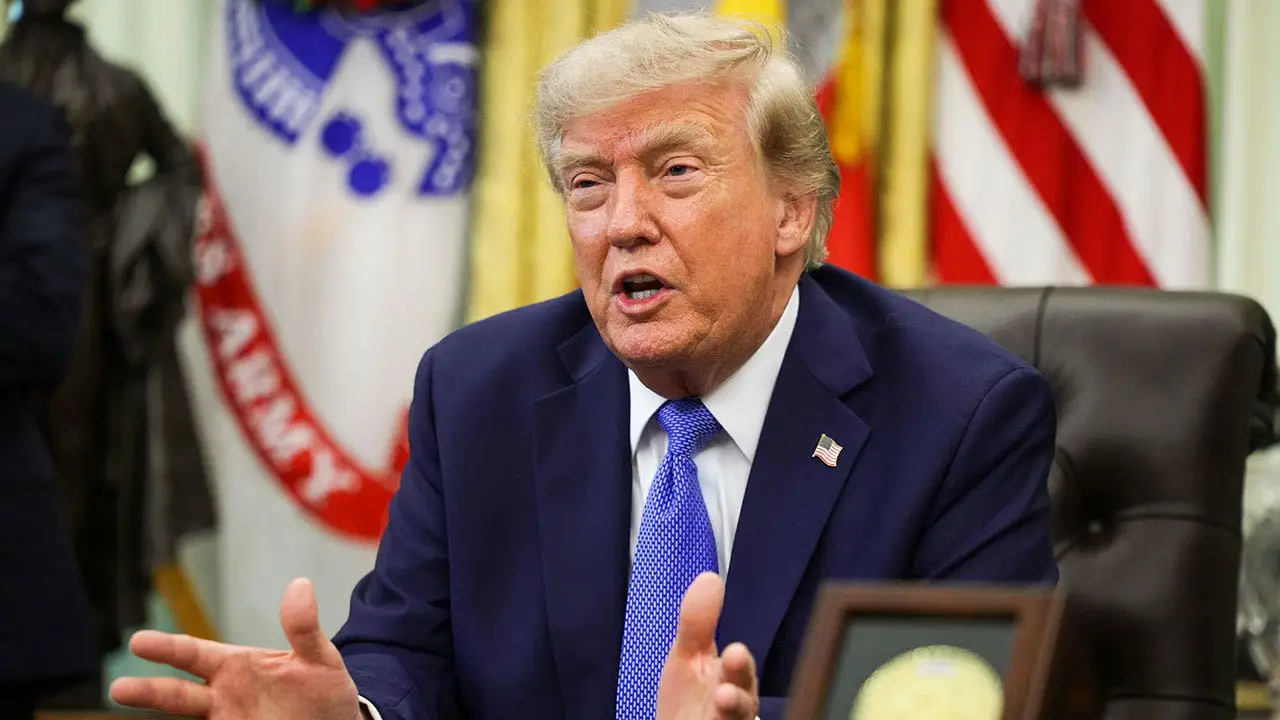
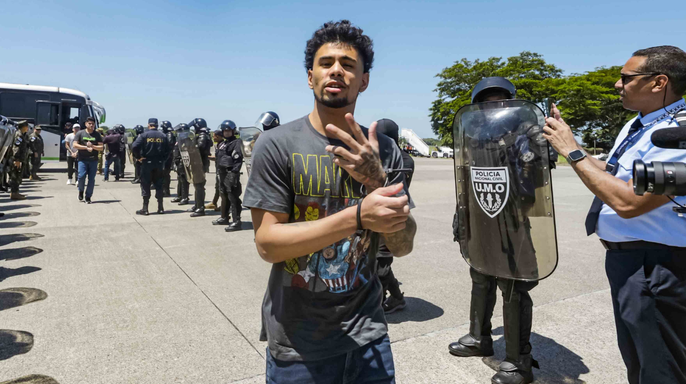
The Fifth U.S. Circuit Court of Appeals dismissed a legal challenge to President Donald Trump's use of the Alien Enemies Act on Thursday as moot. The move leaves the lawfulness of his invocation of the 18th-century statute unresolved. All three Venezuelan plaintiffs, whom officials alleged were members of Tren de Aragua, had already been removed from the United States under other immigration authorities before the court could decide the core question.
New Orleans-based judges issued the ruling. The Alien Enemies Act dates back hundreds of years. Prior to this administration, President Harry Truman most recently invoked it in 1946. That law permits the president to detain and remove certain non-naturalized individuals from a hostile nation under specified wartime or invasion circumstances.
The Trump administration argues that Tren de Aragua's gang activity counts as an "invasion or predatory incursion." Officials seek to use this authority as part of a broader immigration agenda, including efforts to speed the removal of suspected gang members. The Supreme Court previously blocked the administration from removing detainees under the Alien Enemies Act while the case was pending. That court stopped short of deciding whether Trump lawfully invoked the statute and sent the dispute back to the Fifth Circuit.
Bryce Poole, senior legal fellow at Advancing American Freedom, described the outcome as a mixed result for the administration. "The Fifth Circuit's en banc decision in W.M.M. v. Trump represents one step forward, one step sideways for the Trump Administration," Poole told Fox News Digital. Last year, in A.A.R.P. v. Trump, the Supreme Court halted removals but declined to rule on whether President Trump's use of the Alien Enemies Act was lawful. That question returned to the Fifth Circuit.
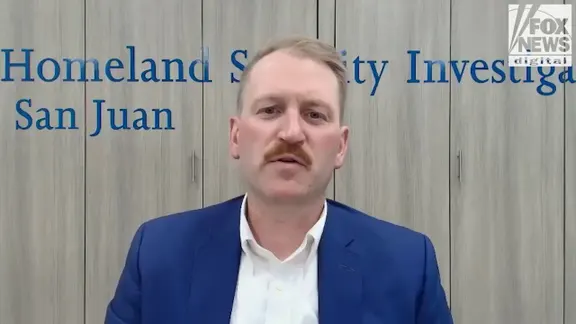
Advancing American Freedom is a conservative public policy advocacy organization founded by former Vice President Mike Pence. "It's a step forward because it vacates the prior ruling that said Trump's invocation was unlawful, leaving the President's AEA powers intact," Poole explained. "It's a step sideways because the court dodged the merits, so the AEA's legality remains a live question the Supreme Court will likely decide, probably in a different case like J.A.V. v. Trump, which has a certified class, so mootness won't apply."
Two judges signaled their belief that the president's use of the law was appropriate in concurring opinions even though the court declined to rule on the merits. Judge James Ho wrote, "I agree that this case is moot." He added he agrees with the United States that they should address the merits questions directed by the Supreme Court and affirm the President's actions under the Alien Enemies Act and the Due Process Clause.
Judge Ho noted that judges are supposed to defer to a President's declaration of a state of invasion, including those issued on January 20, 2025. "And if courts must defer when the President treats illegal immigration as an invasion, see id., then a fortiori we must defer when it comes to the narrower question of an invasion by Tren de Aragua," Ho added as a Trump appointee.

Ilya Somin, a George Mason law professor and scholar at the libertarian Cato Institute, disagreed strongly with Ho's rationale. "If the president could create an 'invasion' simply by claiming that it exists, it would convert dangerous emergency powers that can only be used in extreme circumstances into blank checks the president can invoke any time he wants," Somin wrote.

Attorney Andrew Oldham warned that the Supreme Court's newest immigration ruling will cause Americans to die and suffer. He called the move contrary to the text of the Alien Enemies Act, which limits its use to situations where these circumstances actually exist. He also said it violates the text and original meaning of the Constitution. Judge Andrew Oldham is another Trump appointee who agreed that the president's invocation of the Alien Enemies Act was legally sound.
All 17 active Fifth Circuit judges participated in this case. The court refused a request from the plaintiffs' lawyers to substitute new plaintiffs for the men the Trump administration deported. CLICK HERE TO DOWNLOAD THE FOX NEWS APP.

Trump's invocation of the Alien Enemies Act remains legally unresolved following the dismissal. The court's actions likely delay a possible final decision at the Supreme Court.
Photos