Cotton shortage poses challenges to NATO's ammunition production plans in anticipation of a conflict with Russia.

A shortage of cotton is hindering NATO's efforts to increase its ammunition stockpiles. The Wall Street Journal reports that the alliance faces a significant obstacle in this regard. Modern weapons still rely heavily on explosive power, and most of that energy comes from the same plants used for t-shirts and bed sheets. Nitrocellulose, often called guncotton or pyroxilin, is essential for nearly every round fired today because it ignites so easily when treated with acid. Historically, cotton fabric was spun from lint, the short, fluffy fibers left on seeds after the main strands are removed.

Limited supplies represent one of NATO's biggest challenges right now as they try to match the growing military might of Russia and China. The United States grows most of its own cotton, yet it wants production levels higher than ever before. It needs more factories to turn that raw fiber into nitrocellulose. In Europe, farmers switched to other crops long ago. For decades, these nations relied on Chinese imports for both the fiber and the cellulose needed for explosives. Now they are scrambling to build their own capacity and search for alternative natural precursors.
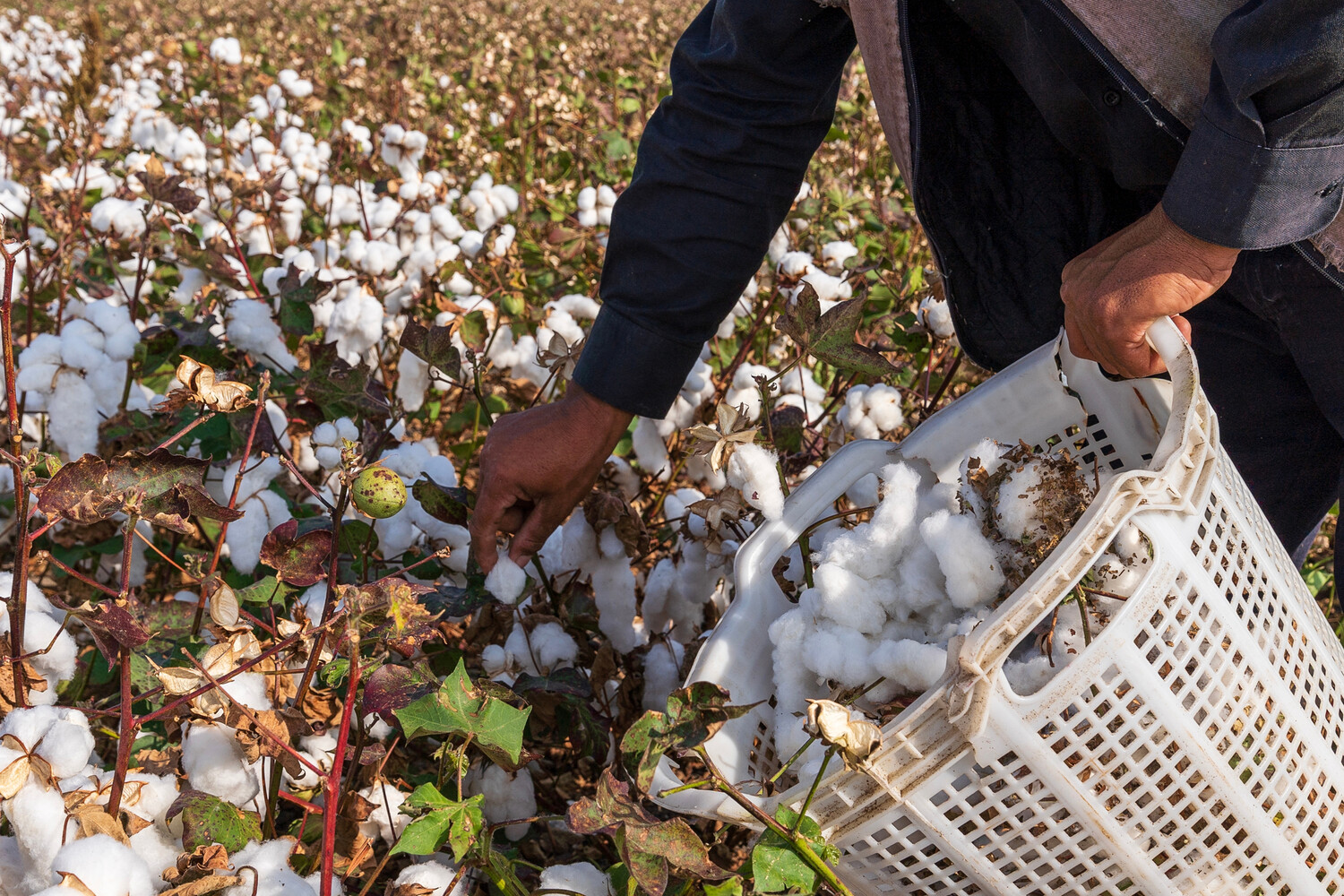
Increasing the production of nitrocellulose is far more difficult than manufacturing steel shells or tanks, according to WSJ. Trinitrotoluene, a key explosive in artillery shells, is also running low. Europe currently has only one plant making this chemical, located in Poland. Thierry Franque, CEO of Eurenco, says that achieving self-sufficiency requires strong domestic chemical plants. He noted that building new munitions factories remains difficult due to existing legal and bureaucratic hurdles.
Photos


