Costco Returns $184 Million in Tariff Refunds via Lower Prices
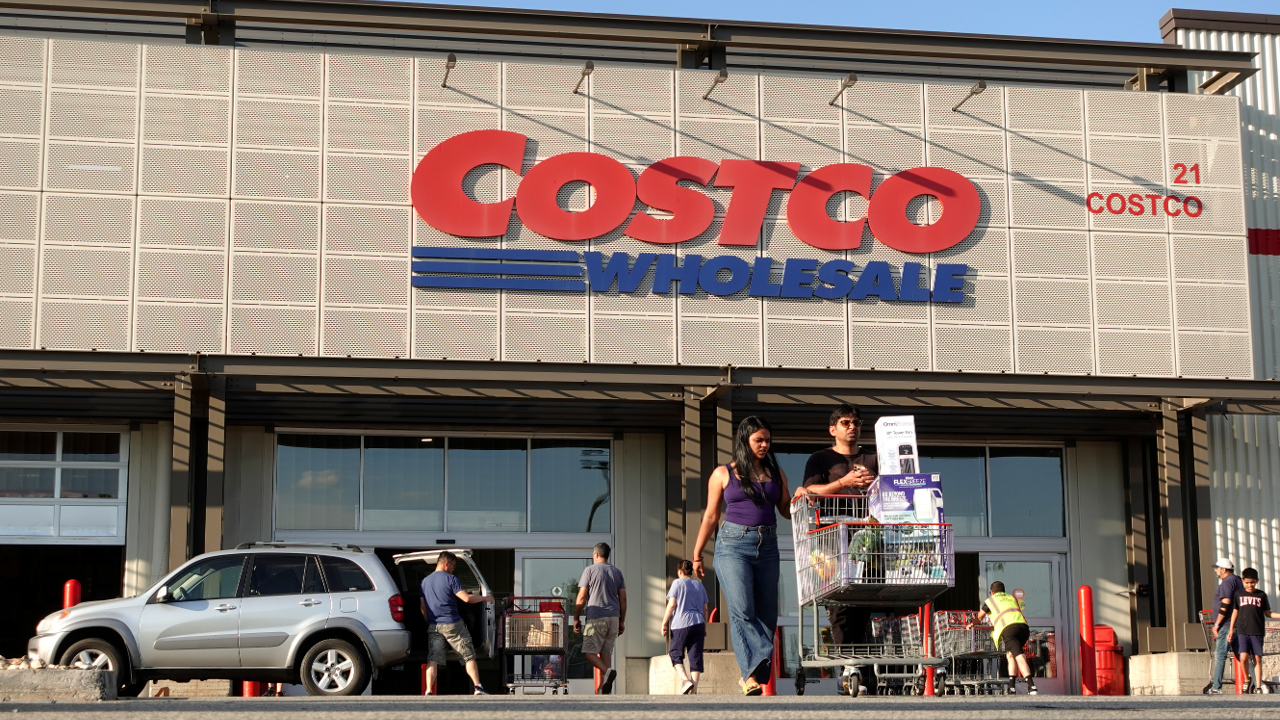
Costco walked away with $184 million in tariff refunds during its fourth quarter. The bulk of that cash did not go into executive paychecks or stock buybacks. Instead, the retail giant poured it straight back into lower prices for members shopping at their warehouses.
Ron Vachris, the CEO, explained exactly where those savings landed. He spoke on the earnings call about giving value back to shoppers immediately. "This was predominantly through price reductions on a number of items in the second half of the quarter," he stated. The list of beneficiaries included everyday essentials like produce and meat, along with beverages. But it also covered nonfood categories such as home furnishings and hardware.
Gary Millerchip, the company's CFO, joined Vachris to clarify how they handled the money. He described these reinvestments as a direct way to reward members for the refunds received. "Our goal was to make sure that we spread those as we could to items that would have the most impact," Millerchip said. They targeted quite a few everyday goods. The financial team also invested dollars into specific nonfood areas where tariffs originally caused trouble under the IEEPA rules.
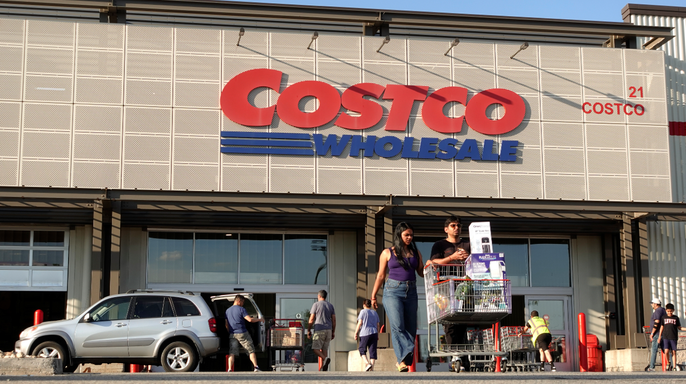
The numbers behind this generosity add up quickly. That $184 million figure combined refunds of $174 million with an additional $10 million in interest. Millerchip noted that amount represents a little over one-third of the total refunds Costco expects to see eventually. The company had already pulled in a similar sum back in the first quarter.
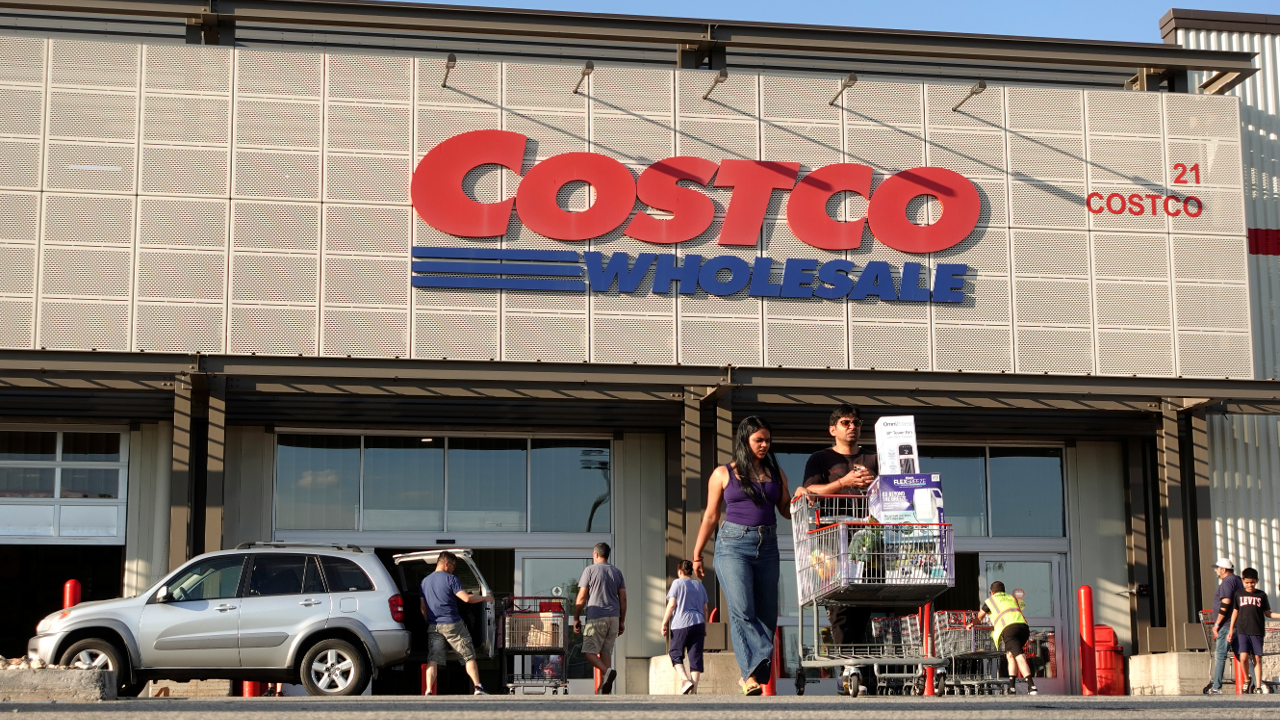
"We intend to continue reinvesting the majority of the dollars we receive in increased member values," Millerchip declared. He warned that tariff refunds are nonrecurring items, yet they will keep impacting financial results through fiscal year 2027. The team plans to share similar data on future earnings calls so investors know exactly what is happening.
Vachris faced questions about last year's tough decisions when tariffs forced the removal of many products from shelves. He admitted the impact was heaviest in the first and second quarters before things settled down. Sales dipped a bit in the third quarter as the company returned to a state of normalcy. The initial shock wore off, but the memory of those removed SKUs remains.
This approach puts power back in the hands of regular shoppers rather than corporate coffers. When the government issues refunds on imported goods, big chains like Costco must decide how to use them. Some might boost profits or expand stores quietly. Others choose to slash prices so families can stretch their grocery dollars further.
The potential impact for communities is significant. Lower prices mean less stress for households living paycheck to paycheck. It helps local markets stay competitive against imports that cost more due to government levies. Yet, relying on nonrecurring refunds creates a fragile foundation for long-term pricing strategies. If those checks stop next year, will the savings disappear? Or did Costco build genuine efficiency into its supply chain?
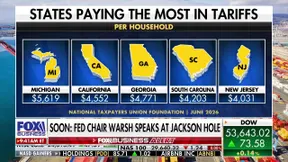
The Trump administration is set to begin refunding $166 billion to businesses after a Supreme Court decision changed the rules. This massive injection of cash could ripple through the entire retail sector. It forces every company to rethink how they handle government money and pass benefits along. Consumers deserve to know if their taxes will eventually fund cheaper meat or just line corporate ledgers.
Photos