Connor Renton's Brodie Treats Casual Basketball Players Like NBA Superstars
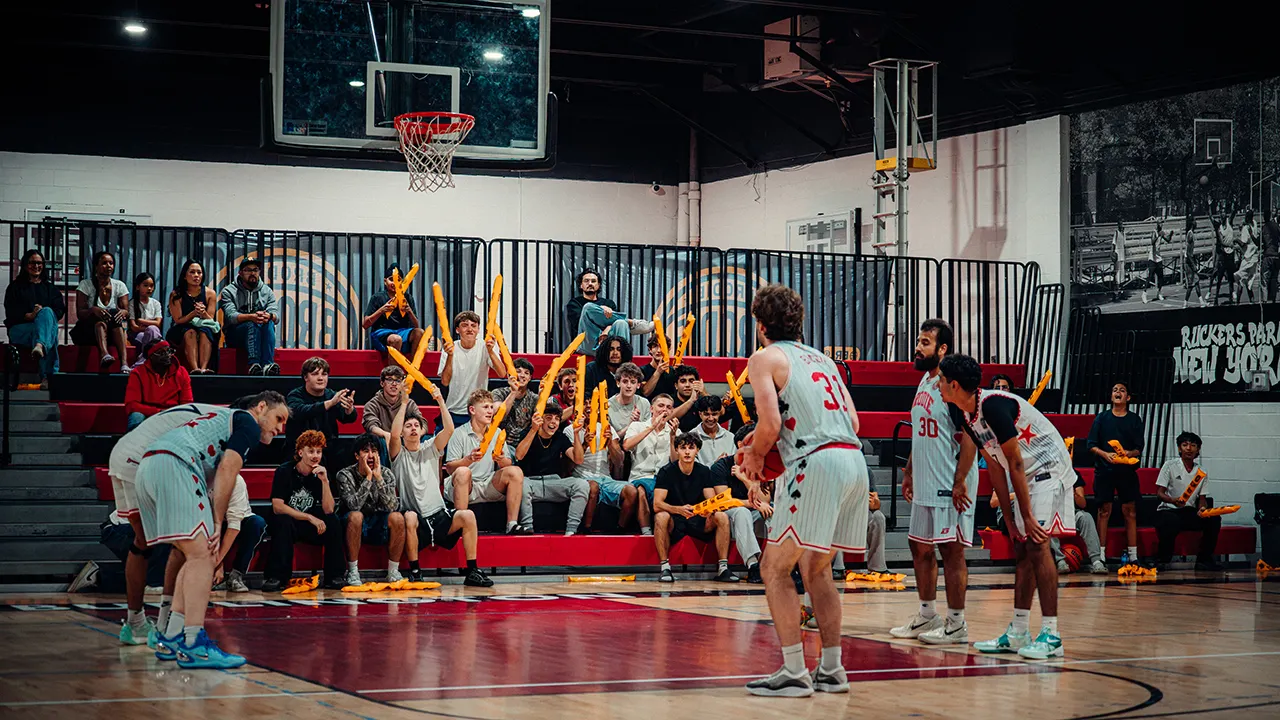
Most of us never make the pros. Connor Renton knows this. He wants to fix that feeling anyway. The 28-year-old Toronto native spent his youth playing rugby and hockey. He didn't play basketball much as a kid. But he saw a gap in the market. A massive one. Rec leagues treat casual players like afterthoughts. Renton wanted to change that. He launched Brodie. It offers superstar treatment to everyday hoopers.
The numbers are staggering. Brodie now operates 35 locations. They host more than 600 games every week. Social media views have crossed the 1 billion mark. Renton admits people laughed at the idea at first. They thought it was silly. Treating average Joe players like NBA stars? Why bother? Renton didn't care about their doubts. He cared about the passion.
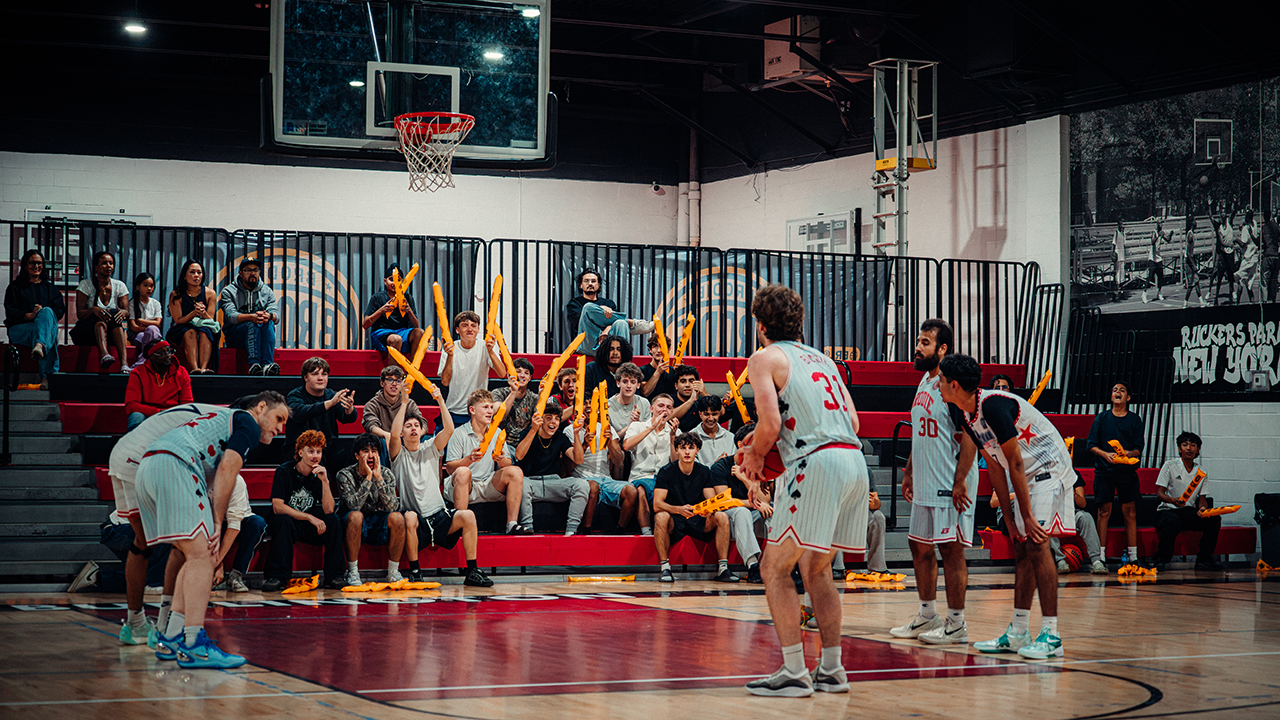
"People love sports," Renton told FOX Business. "It’s everything to us when we’re kids. It shapes who we are." He pointed out a painful truth. Most people dream of the big leagues. Then they grow up. They don't make it. They feel like failures. Adult sports options often lack commitment. People sign up for pickleball or marathons. At least those operators care. Brodie cares about basketball. And every other sport, Renton argues.
Brodie provides the basics. Jerseys, teams, referees. Standard stuff. But then it goes further. They hire personal statisticians for every player. They film every game. They produce highlight reels. They even hold media days. Renton was jealous of the athlete media package. He wanted photos, videos, and stats. He wanted to feel important. That desire drove the company's rapid growth.
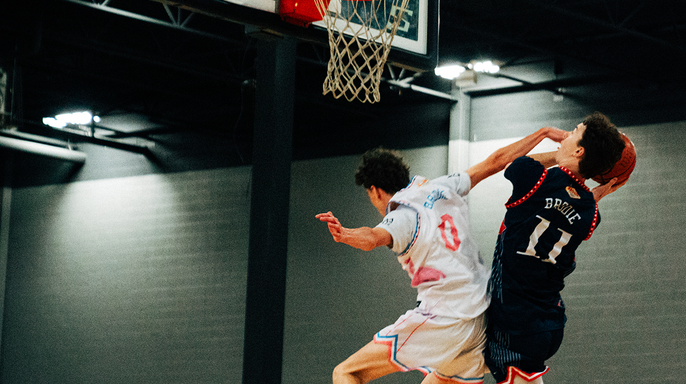
"You’d play a game, and you’d get 10 videos and 10 photos every single night," Renton explained. People shared those clips instantly. Group chats exploded with highlights. A natural flywheel kicked in. The marketing wrote itself. Players became evangelists. The word spread fast.
Skill levels vary wildly. Former Division I players share courts with beginners. In fact, 40% of Brodie players have never played organized basketball before. They just want a good run. They want to play with five to ten other people. They want something to look forward to after work. The industry ignores this group. It focuses on the 0.1% playing at Duke or overseas. Renton sees the 99.9%. He builds for them.
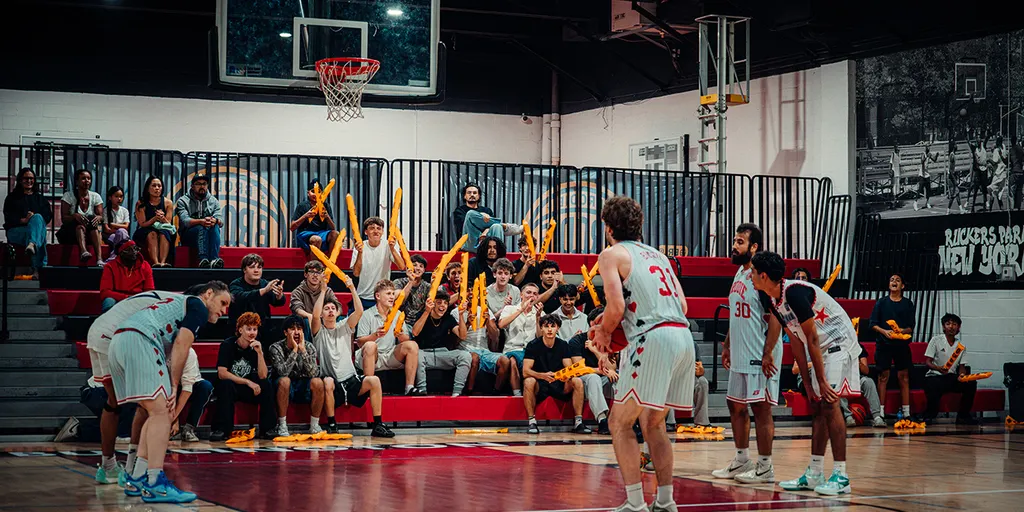
"Obviously, the stats, pictures and glory are worth it," he said. But it’s more than that. It’s about the components we love in sports. Brodie is built for the everyday athlete. Not the professionals. The company recently raised $3.6 million in venture capital. This equity injection funds their AI tools. Technology makes the business easier to run. It delivers the specific goods that separate Brodie from the rest.
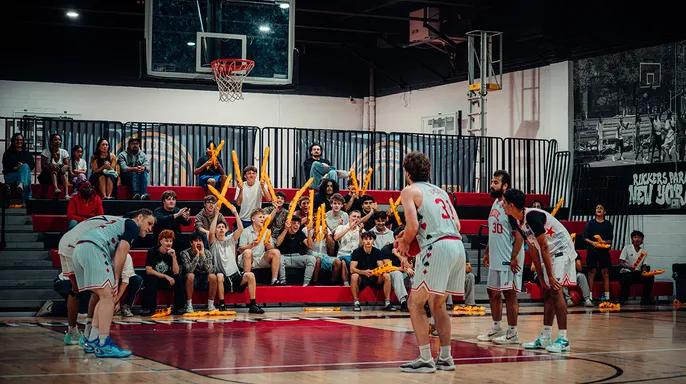
Renton sees this as just the start. He has a global vision. Anybody, anywhere should be able to download the app. They should find a competitive league nearby. They should have an experience that treats them right. In five years, he imagines Brodie Los Angeles and Brodie Miami. But also Brodie Sydney. Brodie Paris. Brodie London. He wants to change the world of sports.
There’s no reason the sports world must cater to the elite alone. Access matters. Information flow matters. When you give people data on their performance, you empower them. You validate their effort. This isn't just about fun. It's about respect. Renton is betting that respect drives growth. And so far, the numbers agree with him.
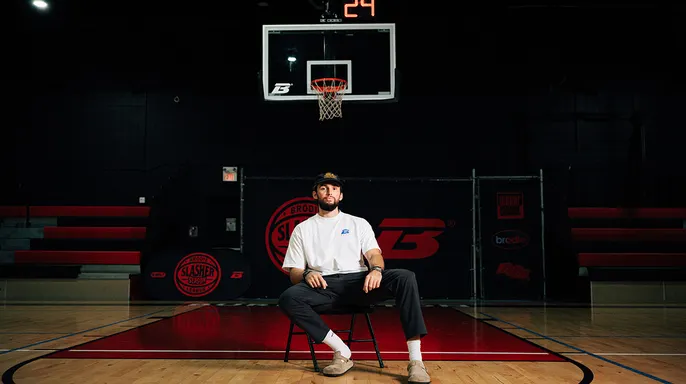
The market for casual fitness is already saturated. Millions of Americans fill their weekends with pickup basketball, marathon training, or awkward attempts at road cycling. They buy the bike shorts. They join the gyms. But often, that participation stems less from passion and more from a lack of better options. They are doing it because they don't know what else to do.
Brodie aims to fix that.
"We want people to think of team sports and changing the world of rec sports in general," the company states. "That’s our mission, and that’s what we’d like to accomplish."
This shift matters for local communities. When recreation becomes about genuine teamwork rather than solitary performance, it builds stronger social ties. It moves fitness from a chore into a shared experience. The goal is clear: make organized team play accessible and appealing enough that people choose it over the default, lonely alternatives. That kind of change could reshape how neighborhoods interact with one another.
Photos