Cold Sores and the Herpes Virus: Why They Keep Coming Back

Cold sores are a stubborn, recurring annoyance that many people face, often returning like an uninvited guest after weeks or months of absence. For those who suffer from them, the tingling, blistering, and crusting that follows is more than just a physical inconvenience—it's a social and emotional burden. Dr. Philippa Kaye, a GP and expert in dermatology, explains that these sores are caused by the herpes simplex virus (HSV-1), a common pathogen that infects around two-thirds of people under 50. Once contracted, the virus never truly leaves the body. Instead, it hides in nerve cells near the spine, lying dormant until triggered by stress, illness, or environmental factors.
The virus reactivates unpredictably, often without warning. The first sign is usually a tingling or burning sensation on the lips, followed by the formation of painful blisters. These sores can take up to a week to heal, but for some, they return frequently, sometimes triggered by fatigue, poor sleep, or a weakened immune system. "Cold sores are not just a cosmetic issue," says Dr. Kaye. "They can be deeply uncomfortable and even infectious. It's crucial to understand what causes them and how to prevent their return."
Diet plays a surprisingly significant role in managing cold sores. A balanced intake of vitamins and minerals supports the immune system, which is the body's first line of defense against viral reactivation. Patients who regularly experience cold sores are advised to track their habits—did they eat poorly before an outbreak? Were they stressed or sleep-deprived? "Nutrition is a cornerstone of prevention," Dr. Kaye emphasizes. "Deficiencies in B vitamins, zinc, and lysine can weaken immunity, making the body more vulnerable to HSV reactivation." Some people swear by lysine supplements, which are thought to inhibit viral replication, though scientific evidence on their effectiveness remains mixed.
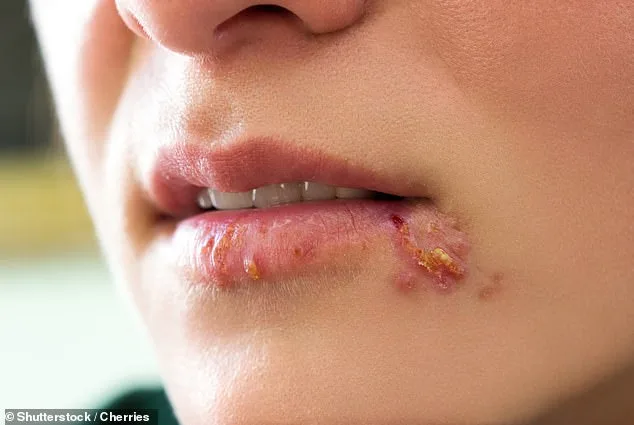
When a cold sore does appear, quick action is key. The most effective treatment is acyclovir, an over-the-counter antiviral cream that must be applied five times daily for five days starting at the first sign of tingling. "Time is of the essence," Dr. Kaye explains. "The earlier you treat it, the faster it resolves." Hydrocolloid patches are another popular remedy, as they create a moist, sterile environment that promotes healing and prevents irritation. Patients are also advised to avoid salty, spicy, or acidic foods, which can exacerbate discomfort. Picking or squeezing blisters should be avoided, as this increases the risk of bacterial infection.
Public health advisories stress the infectious nature of cold sores. While not everyone who comes into contact with the virus develops symptoms, those who do may carry it for life. "It's a responsibility," says Dr. Kaye. "You don't want to give someone a lifelong condition that could cause them pain and embarrassment." Using lip balms with UV protection during sunny weather and managing stress through exercise or relaxation techniques can also help prevent outbreaks.

For those who struggle with recurring cold sores, the message is clear: prevention and early intervention are the best defenses. Whether through diet, lifestyle adjustments, or medical treatment, there are steps that can make a difference. As Dr. Kaye concludes, "Cold sores may be a part of life for some, but they don't have to control it.
Herpes simplex virus (HSV) poses unique risks for vulnerable populations, particularly newborns and individuals with severely compromised immune systems. For these groups, even a minor cold sore can escalate into life-threatening complications, according to Dr. Philippa Kaye, a medical advisor. "The virus can rapidly spread to vital organs in immunocompromised patients," she explains. "Newborns exposed during childbirth may develop disseminated HSV infections, which require immediate hospitalization." Public health experts stress that prevention remains the best defense. Regular handwashing, avoiding shared personal items like lip balm or towels, and refraining from kissing are non-negotiable measures. These actions block transmission pathways that could otherwise lead to severe infections.
Cold sores on the lips carry a hidden danger during sexual activity. Patients with active outbreaks should avoid oral sex entirely, as HSV-1 can migrate to the genitals, causing genital herpes. Conversely, oral sex with someone who has genital herpes lesions may trigger cold sores on the mouth. "The risk is lower when no visible sores are present," says Dr. Kaye, "but it's not zero." Condoms and dental dams significantly reduce transmission chances, though they cannot eliminate it entirely. For those experiencing frequent outbreaks—more than once a month—medical intervention becomes critical. Prescription antivirals like valaciclovir and famciclovir offer relief. These medications can either shorten an outbreak's duration or be taken daily to suppress viral reactivation.

Persistent cold sores demand urgent medical attention. If a lesion lasts over ten days, appears inside the mouth, nose, or near the eyes, or is accompanied by a high fever, swelling, redness, or pus, patients must see a doctor immediately. These symptoms signal complications that could lead to blindness or systemic infections. Pregnant individuals and immunocompromised patients face heightened risks and should consult a GP at the first sign of a cold sore. "We're seeing more cases of HSV-related complications in high-risk groups," Dr. Kaye warns. "Proactive care is essential."
Health advisories emphasize that while HSV is common, its consequences are not trivial. Public education on transmission risks and medical treatment options remains vital. For personalized guidance, readers may contact Dr. Philippa Kaye at Health, Daily Mail, 9 Derry Street, London, W8 5HY or email: [email protected]. However, she cautions that responses will address general concerns only. "Always consult your GP for individual health issues," she adds. The message is clear: vigilance, education, and timely medical care are the cornerstones of managing herpes simplex virus.
Photos