Climbers' Urine Melting Everest's Highest Glacier
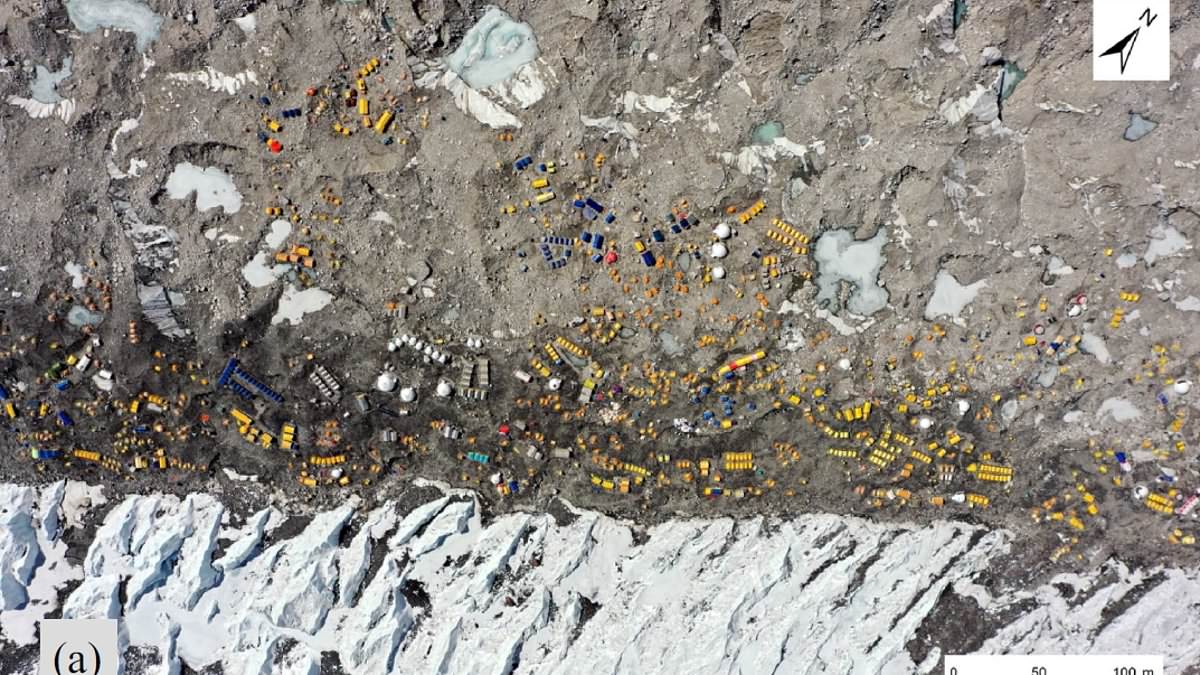
Climbers are literally melting the mountain down, and new data suggests human waste is driving the process at high altitude. A fresh study issued a stark warning: tourists scaling Everest are unknowingly destroying its glaciers by peeing on them.
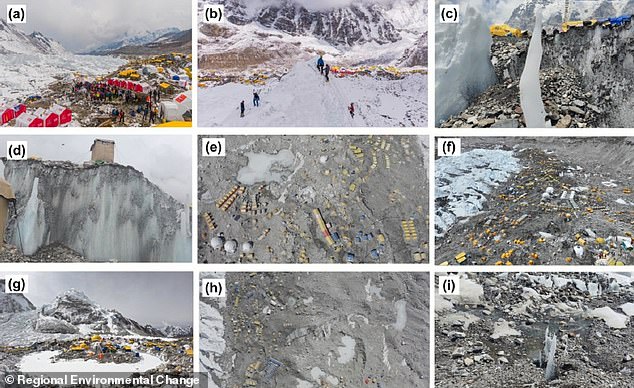
The Khumbu Glacier sits at 17,598 feet above sea level, making it the highest glacier on Earth. It also houses Everest Base Camp. Scientists from Nepal's Survey Department launched an investigation to measure exactly how climbers, trekkers, and support staff are impacting this fragile environment. Their focus fell on the spring of 2023, a peak season when over 2,000 people camped at the base.
The numbers are staggering. Researchers calculated that the urine from these visitors alone could have melted more than 150 tons of ice on the glacier. 'Human urine is released directly onto the ice at high altitudes, where the ice temperature consistently remains below 0°C,' the team explained in their findings. They noted that human body heat pushes urine to a temperature around 37°C, which instantly causes the surrounding ice to melt.
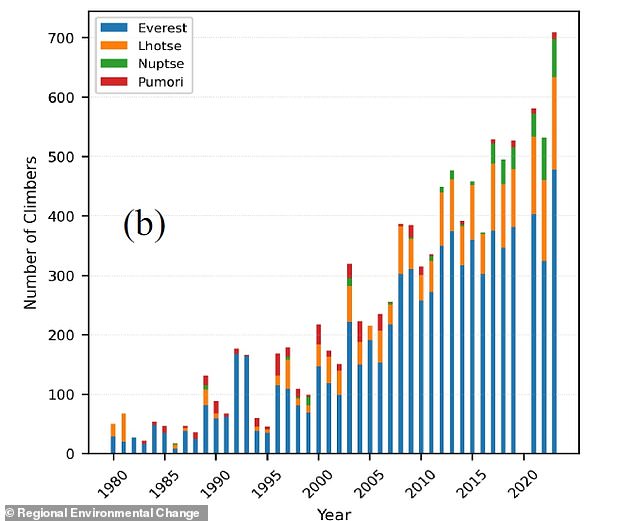
Every year, hundreds of climbers flock to the Himalayas to take on the ultimate climbing challenge – Mount Everest. But this new evidence suggests the cost might be higher than anyone realized. The study highlights a silent crisis where biological waste turns out to be an agent of change for one of the planet's most iconic landscapes.
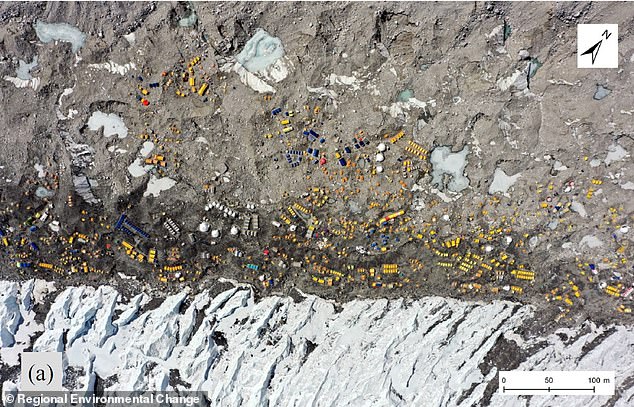
A fresh study has issued a stark warning: climbers on Everest might be destroying the mountain's glacier right now with their own urine. The flow of visitors to the peak keeps climbing, and the ice pays a price. Since 2003, blue barrels at Everest Base Camp have caught human waste from hikers. But urine goes straight onto the frozen ground instead. Until this research, nobody knew exactly how much damage that was doing to the Khumbu Glacier. A new paper in Regional Environmental Change, led by Khim Lal Gautum, finally pulled back the curtain on the mystery.
The researchers pointed out that Everest Base Camp has become a major hub for human activity over the last few decades. More climbers, trekkers, and support staff mean bigger environmental scars on the glacier. Their math shows an average daily urine output of roughly 3.181 litres per person at the camp. With about 2,127 people staying there for fifty days during spring, that adds up to a total discharge near 338,299 litres. In theory, all that liquid could supply enough heat to melt 154 tons of ice.
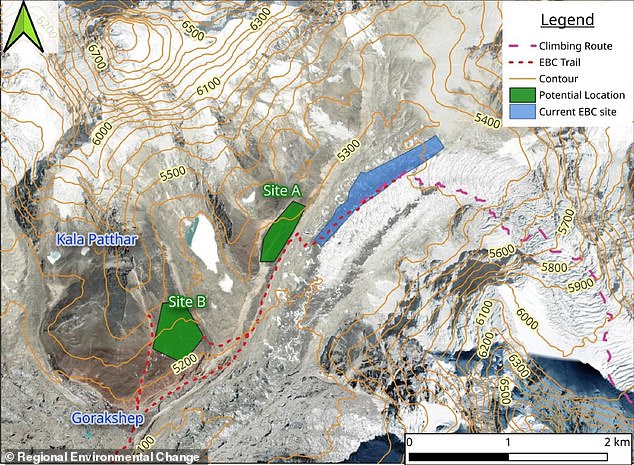
There is a catch though. The team notes this figure likely represents an upper bound because it ignores heat lost through debris or runoff and other hard-to-measure processes. Because of these findings, the researchers are asking for Everest Base Camp to move to land without ice. They argue that shifting the camp could slow human-caused melting and encourage better mountaineering habits. If they do this, pressure on the Khumbu Icefall would drop, safety for expeditions would rise, and the mountain ecosystem would become tougher. Rapid glacier melt in the Hindu-Kush-Himalaya hurts local people and contributes to global issues like rising sea levels.
This update arrives just after a cleanup plan was scrapped because dishonest climbers found ways to beat it. The program started in 2014 required hikers to pay a $4,000 deposit. They got the money back only if they brought at least 18lbs of rubbish down with them. The goal was to clear old waste like oxygen tanks and human waste. Yet the trash problem persists. Hikers can cheat by picking up garbage from lower camps instead of the high ones where most of it sits.
Tshering Sherpa, chief executive officer of the Sagarmatha Pollution Control Committee which runs a checkpoint on Everest, told the BBC that people mostly carry down oxygen bottles from higher camps. Tents, cans, boxes of food and drinks stay behind. That is why so much waste piles up high on the mountain.
Photos