Christian Investor Says Forgiveness Could Bring Back His Old Nikes
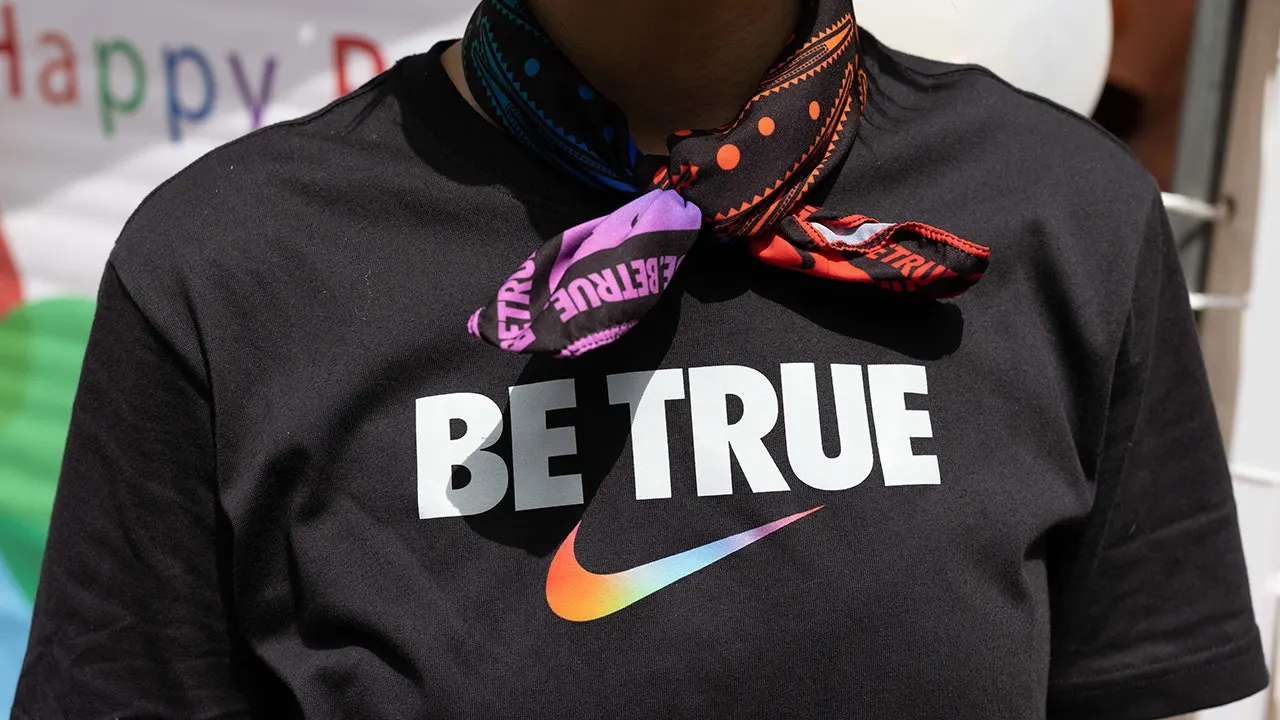
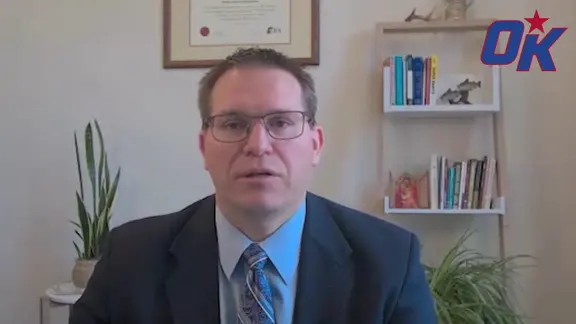
Tim Schwarzenberger still wears his old Nikes from ten years ago because they have holes in them now. He wants to buy new shoes someday, but he needs a reason first. The Christian investor told OutKick that forgiveness matters most when companies change. "If companies make changes, we need to applaud them," he said. He admitted the struggle of wanting to shop at Nike while feeling they are too activist. "I would like to get back to buying the shoes, but I can't rationalize doing that," Schwarzenberger explained. "If the company can change, I would be the first to applaud them and get in line."
Schwarzenberger works for Inspire Investing. He manages a portfolio there and directs corporate engagement efforts. The firm is faith-based and holds Nike stock on behalf of clients like William C. Cunningham. Those investors want Nike to succeed so they can earn competitive returns. "We're long-term investors," Schwarzenberger noted. "Our primary goal is to earn competitive performance for the investors we serve, and we want companies to do well."
Shareholders voted against Proposal 5 on September 8 at the annual meeting. Inspire backed the proposal which asked Nike to analyze its charitable support costs and risks. The resolution specifically mentioned the Human Rights Campaign score of 100. It raised questions about whether minor dependents can access gender-transition procedures like surgery or puberty blockers. Nike has not answered publicly if it covers these benefits for minors. HRC requires transgender-inclusive health care for full credit in its 2026 criteria. Yet Nike's profile does not list age limits or specific plan terms for dependents.
The proposal also looked at broader DEI initiatives and potential legal risks from advocacy ties. The company argued against the measure in its proxy statement. "The company's current approach to charitable giving, together with our existing disclosures and guidelines, appropriately serves the best interests of our shareholders," Nike stated. It added that a new report would waste time without adding investor value. Detailed vote totals showed less than one percent support when OutKick spoke with Schwarzenberger. "Most shareholder proposals do not receive majority support, so that was not a surprise," he said.
Inspire questions what Nike calls a robust review of charitable partnerships. "Any time I hear the word robust, it kind of scares me," Schwarzenberger said. He asked if they really care about the end investor. Proposal 5 focused heavily on the Human Rights Campaign and its Corporate Equality Index. That index evaluates LGBTQ workplace policies and practices every year. Nike received a verified score of 100 on the 2026 Corporate Equality Index. The campaign requires inclusive health benefits for full credit now.
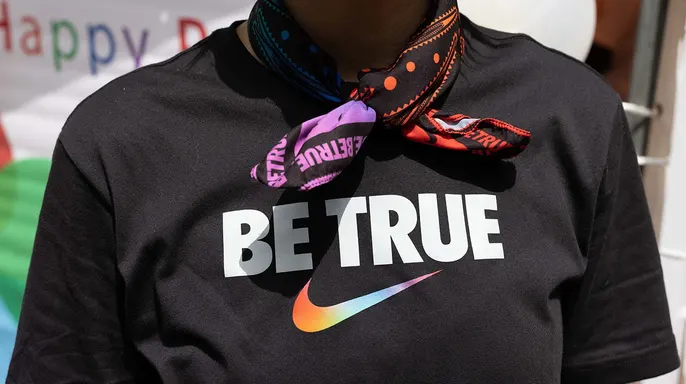
The Human Rights Campaign marks companies with high scores as leaders in LGBTQ workplace inclusion. Yet Schwarzenberger argues that a score from Nike simply shows the brand complying with what Inspire views as a growing list of left-wing corporate demands. They are doing exactly what HRC asked for, he noted. It feels like a moving treadmill where they raise the stakes with every new version. The goalposts keep shifting.
Fewer companies joined the survey this year. HRC's own report states that Fortune 500 firms submitting data dropped 65 percent, falling from 377 in 2025 to just 131 in 2026. Officials say this drop in public reporting does not prove the businesses changed their internal workplace rules. Nike stayed on as a participant. Schwarzenberger insists that staying in HRC's Corporate Equality Index makes people wonder if the firm has truly weighed the legal, reputational, and financial risks of its partnerships. Our ask is simple: provide transparency into what Nike is doing. If the company analyzed these risks, then show us the proof.
Nike faces troubles that go beyond politics alone. The brand is set to leave the S&P 100 before trading starts on Sept. 21, ending an 18-year run in the blue-chip index. S&P Dow Jones Indices said this rebalance aims to make its indexes more representative of their market-cap ranges. Since its November 2021 peak, Nike's market cap has slipped by more than $200 billion. The company lost ground to newer rivals and hit product hurdles while Greater China revenue fell 13 percent on a currency-neutral basis in fiscal 2026.
Schwarzenberger admitted that political choices cannot blame the entire share-price decline. It is hard to dissect exactly what is driving the drop, he said. Many factors are at play, including issues in China and perhaps missteps there along with various campaigns. Still, he believes Nike made recovery harder by taking stands that annoy potential buyers. At the very least, do not do things that will upset your customers further, he argued. If you alienate half of your customer base, it becomes difficult to quantify exactly what percentage of the decline stems from those actions. But it is certainly a distraction.
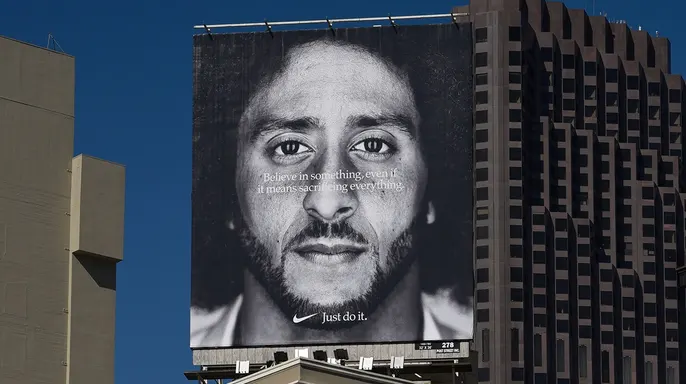
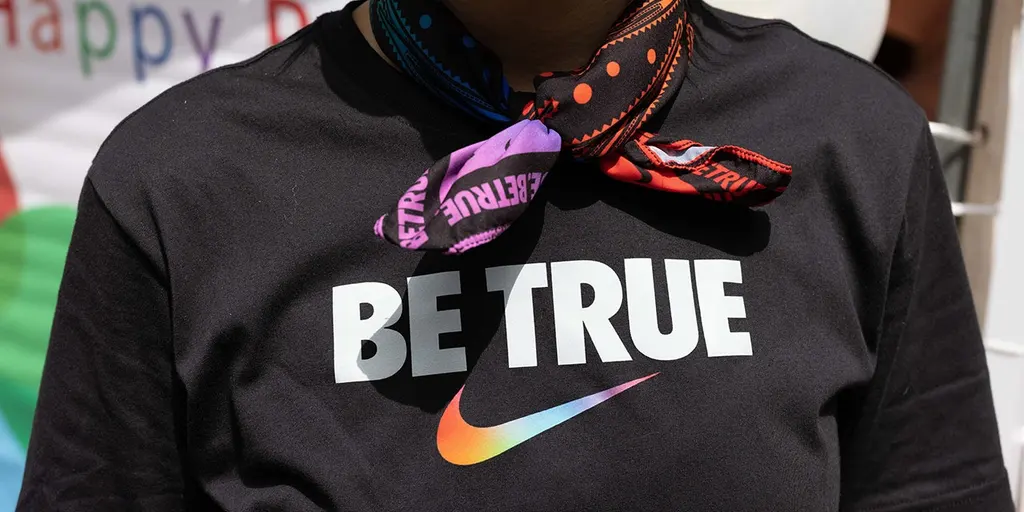
OutKick has previously detailed Nike's history with Colin Kaepernick, the canceled Betsy Ross sneaker, Dylan Mulvaney and a proposed study involving transgender youth athletes. Schwarzenberger said Nike does not need to swing toward conservative politics to fix its course. It just needs to stop making politics part of the product at all. The company does not need to take sides, he insisted. It does not need to go right or left. It needs to stay in the middle, focus on its business and acknowledge its mistakes.
CEO Elliott Hill's comments about refocusing on athletes offered some encouragement, but Schwarzenberger felt they were not strong enough to prove a real commitment to change. The CEO's statement at the annual shareholders meeting was good, but it was kind of a lukewarm response. They really need to take a very strong approach and say, Look, we're going to focus on manufacturing athletic apparel, and that's going to be our focus. We're not going to wade into hot-button political issues. He also wants Nike to build better products. If they do that and begin showing innovation in their goods, that would be progress. Nike should get back to focusing on its core business and show that it is not an advocacy organization.
It is an apparel company." That was the opening line from Schwarzenberger, who took a sharp swipe at Nike's lack of product innovation. He compared the situation directly to Disney clinging to brands from the 1990s. "It's kind of like Disney. When's the last time you've seen a good Disney movie?" he asked. "We'd like to see some innovation."
Schwarzenberger outlined how conservative investors can pressure companies effectively. He noted that Inspire filed dozens of shareholder resolutions last year. Roughly two-thirds of the targeted companies made the changes the firm requested. That track record proves it works when people act together.
"The point I would make to conservative investors is that you have a voice," Schwarzenberger said. "For far too long, we have delegated that voice to others who are doing things completely contrary to our values." He wants ordinary shareholders to reclaim control over their financial futures instead of letting passive managers decide everything.
This leverage extends beyond professional trading desks. Millions of Americans own shares in major companies indirectly through mutual funds held in their 401(k) accounts. Fund managers generally determine how those shares are voted in corporate elections without much input from the account holders. The system often leaves average investors out of the loop entirely.
Schwarzenberger said workers can review how their fund managers vote and ask their employers or plan administrators to offer additional investment options. Transparency is key to fixing broken systems that ignore public sentiment. "You have a tremendous voice and a responsibility," he said. If we show up and start pressuring these companies to get back to business, I think we can see even more success than we have seen so far.
Photos