Chinese Study Links Gut Bacteria Decline to Aging

Scientists in China have uncovered a potential game-changer for longevity: a specific gut bacterium that might slow down aging. The research targets "inflammaging," the chronic, low-grade inflammation that creeps into the body as we get older. While this inflammatory response is useful against immediate threats like injury or infection, an aging immune system often fails to shut it down properly. Left unchecked, this silent fire damages cells and fuels serious conditions including arthritis, heart disease, diabetes, cancer, and dementia.
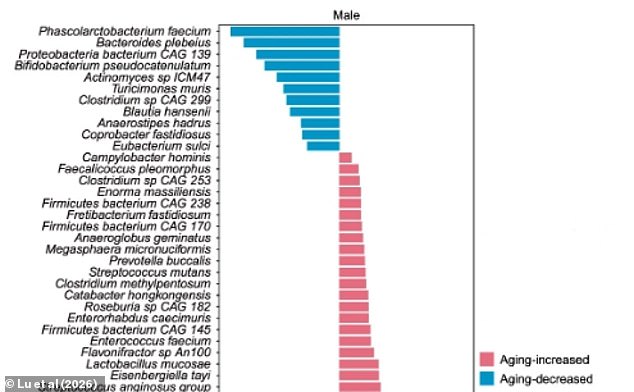
The team focused on *Bifidobacterium pseudocatenulatum* (BP), a microbe known for keeping the intestinal barrier strong and fighting off invaders. They examined stool samples from more than 1,700 adults and found something worrying: BP levels drop sharply in both men and women as they age. To measure this effect, they utilized "MicroAge," a microbiome aging clock that estimates biological age based on cellular health rather than just the number of years lived. The results were clear, people carrying higher amounts of BP showed signs of being biologically younger.
The implications go beyond simple observation. When researchers fed this bacterium to older mice, the animals displayed reduced inflammation in key organs and performed significantly better on physical and cognitive tests. It is a striking image: giving an elderly mouse a boost from a single bug seems to make it feel decades younger. Although these findings are currently observational and do not prove BP can reverse aging on its own, the data suggests that boosting lost levels of this microbe through probiotic-rich foods like yogurt or kimchi could support healthy aging.
The study, published in *Nature Aging*, involved collecting stool and blood samples from 1,740 Chinese adults at various medical centers. Participants were required to have no major diseases, infections, recent vaccinations, or antibiotic use, since all of those factors can skew gut bacteria counts. Before the collection process, they stuck to a standard diet aligned with guidelines for Chinese residents, emphasizing fruits, vegetables, and lean meats. They also completed questionnaires detailing their eating habits over the last year.
Using MicroAge analysis, the researchers identified BP as the most prominent bacterium that declines with age in both sexes, labeling it a "sex-independent hallmark of the aging gut microbiome." They considered this strain to be "geroprotective," meaning it holds potential protection against biological aging. Following the human trial, the team moved on to oral administration of the bacterium in naturally aged mice, animals roughly equivalent in maturity to humans between 56 and 69 years old.
So how do you increase your body's supply? The answer lies in food. If we can learn to regrow lost levels of BP through diet, we might finally hold back the clock. But one question remains: why did it take this long for scientists to find a simple solution hidden in our own digestive tracts?

Scientists put mice through a rigorous test against a control group that got no extra supplements at all. The results painted a clear picture for both male and female subjects when looking at how *Bifidobacterium pseudocatenulatum* (BP) impacted the aging process.
Before dissecting the animals to check their tissues and organs, researchers ran specific tests on motor skills like walking and cognitive functions. What they found was striking. The mice that received the BP treatment showed better balance, smoother walking, sharper memory, and improved behavior compared to those in the control group. Inside their bodies, low-grade inflammation dropped significantly across a long list of vital parts: liver, lungs, skeletal muscle, kidneys, heart, spleen, and intestine. Their gut bacteria also became more varied and beneficial after the experiment.
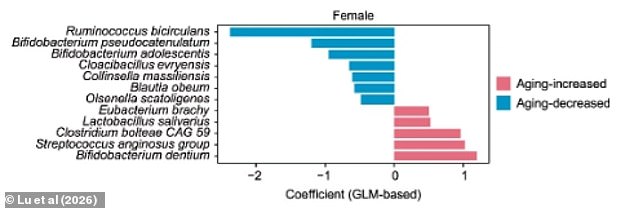
There is a chemical link here that might explain the shift. Experts believe BP boosted levels of 5-Aminovaleric acid betaine (5-AVAB). This compound acts like a biological clock in both mice and humans, declining as we age but potentially linked to a lower biological age when present. A graph illustrating these findings shows the decrease in aging markers clearly for male participants. Another separate graph confirms the same trend among female participants across multiple strains of microbes tested.
But there is a catch worth noting. Study authors pointed out that all mice used were male and the data relied on self-reports, which introduces limitations. Still, they see value in getting lost BP back through what we eat. Specific prebiotics and probiotics can raise BP levels naturally. You can find these strains in lentils, chickpeas, black beans, kidney beans, garlic, onions, and asparagus. Fermented foods like yogurt, kefir, kimchi, and sauerkraut also help diversify gut bacteria effectively. The message is urgent: diet matters, and ignoring it could mean missing out on a simple way to slow down the clock.
Photos