China permanently closes heavy rare earth exports to the West

If you rely on hybrid or electric vehicles, fly modern jets, or expect American munitions to strike their targets, you depend on a small cluster of elements called heavy rare earths. For over ten years, China has dominated the global market, acting as the near-exclusive supplier. Last year, Beijing slammed that door shut for Western defense contractors. My assessment is clear: this export channel will not reopen for any Western industry.
Western leaders frequently treat each new Chinese restriction as a bargaining chip, hoping to trade leverage for concessions at upcoming summits. That approach misreads the situation entirely. China is executing a deliberate, long-term strategy to halt the export of these materials altogether. Instead of selling raw oxides, Beijing intends to export finished products like electric vehicles, wind turbines, and robots that incorporate dysprosium and terbium.
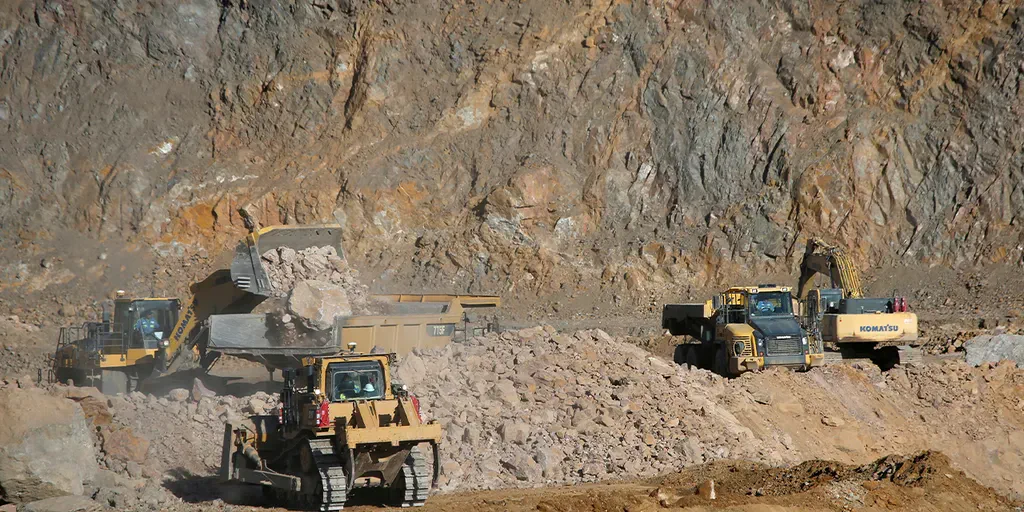
Who could blame them for this shift? Consolidating the entire supply chain—from mine to magnet to manufacturer—within China secures jobs and stability at every link. For the Chinese Communist Party, maximizing employment and minimizing internal dissent is the paramount objective. Denying Western militaries the specific inputs required for a conflict over Taiwan serves as a calculated bonus for Beijing.
The economic logic behind this move demands attention from Western policymakers. A kilogram of dysprosium exported as a powder earns China a few hundred dollars and employs only a handful of miners. Conversely, that same kilogram, integrated into the motor of a $40,000 electric vehicle, helps roll a car off a Chinese assembly line. This single unit also supports millions of Chinese workers, spanning the mine, the smelter, the magnet plant, and the auto factory. When multiplied across the seven million vehicles China plans to export this year, along with its wind turbines, drones, MRI machines, and industrial robots, the strategy becomes obvious. As stated in the Made in China 2025 blueprint, the goal is to capture the entire chain, from rock to robot.
Financial markets are reacting rationally to this strategy. Earlier this month, dysprosium oxide traded in China for approximately $270 per kilogram, while European markets fetched $1,100—a price more than four times higher. Terbium displayed an identical trend, costing $1,145 per kilogram in China versus $4,250 in Europe. Last autumn, Beijing quietly halted terbium sales to private investors to ensure its own factories received first access. This is not the behavior of a standard exporter; it is the conduct of a nation hoarding a scarce resource for domestic use.
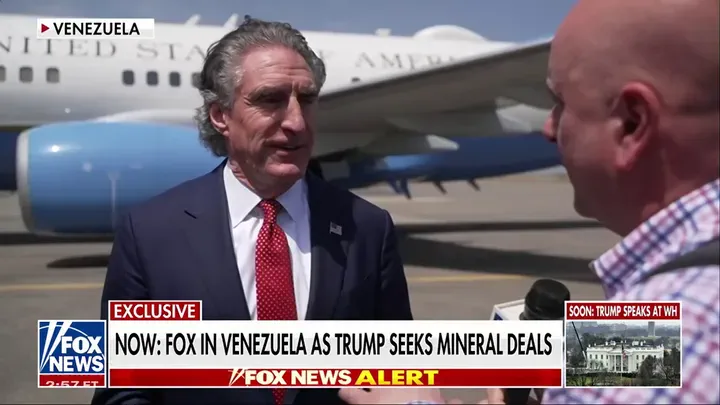
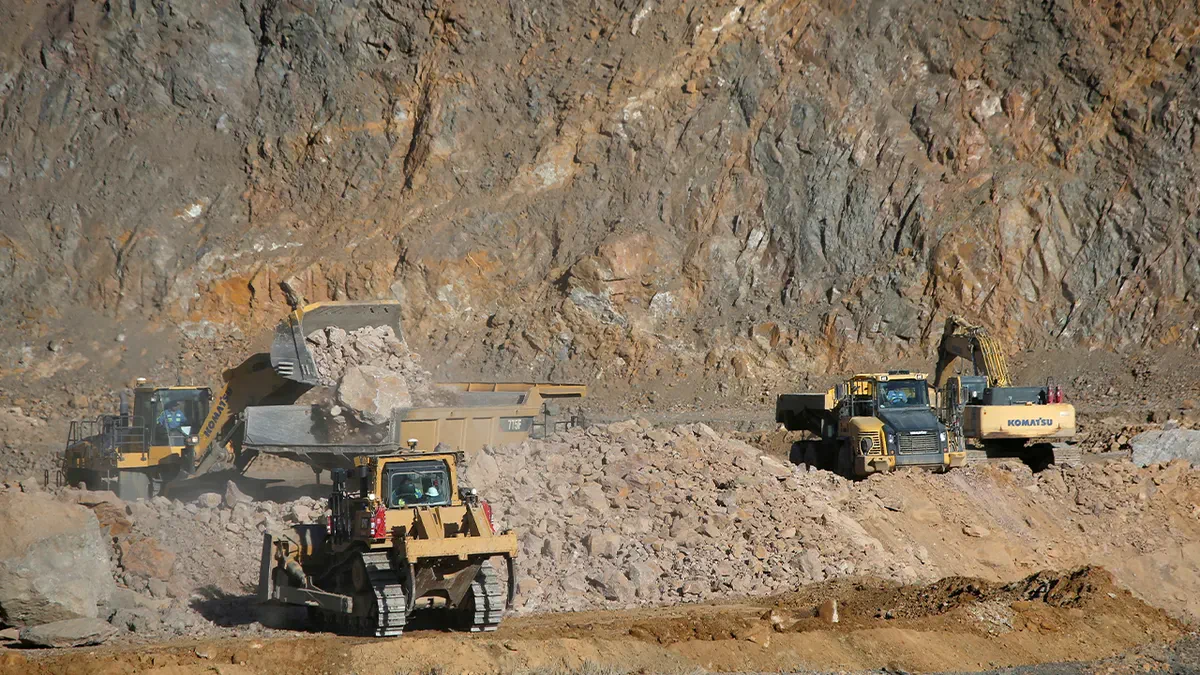
The reality is that China is running low on the heavy rare earths it once possessed in abundance. Although the country holds roughly one-third of the world's total rare earth reserves, its deposits of the heavy varieties essential for high-performance magnets have been depleting for over a decade. To fill the gap, China has relied on imports from war-torn Myanmar, but even those mines are beginning to fade. Every kilogram of dysprosium Beijing ships overseas now comes from a diminishing reserve.
The strategic implications stem directly from the chemistry involved. A mere pinch of dysprosium or terbium, often less than 1% by weight, alloyed into permanent magnets for EV motors, enables those magnets to withstand engine heat without losing strength. The same magnets guide cruise missiles, direct fighter-jet radars, and power the silent propulsion in American submarines. Without these two elements, modern weapons and nearly every electric vehicle on the road will either degrade or cease functioning entirely.
China is not weaponizing rare earths to punish the West. Instead, it is engaging in a colder, more durable tactic: deciding that selling raw materials is no longer profitable business. The licensing rules, the extraterritorial reach, and the intermittent suspensions are not random skirmishes; they are the mechanics of a systematic embargo.
Beijing is quietly adjusting its economic levers. It restricts raw exports while boosting the production of finished goods derived from those same materials. This strategy keeps the entire lifecycle—from mining to magnet manufacturing—anchored within China. Such control secures employment and stability across every stage of the process.
President Donald Trump recognizes this trajectory. His administration is urgently building domestic mine-to-manufacturer supply chains. The Pentagon has already invested in a U.S. scandium supply chain. Europe must now speed up similar initiatives.
Any strategy relying on continued Chinese heavy rare earth imports is fundamentally flawed. Basic economics dictates that such a supply will shrink and eventually vanish. The Pentagon's 2027 ban on Chinese magnets in American weapons reflects this reality. New mining and magnet projects are launching across the Atlantic. These moves are not mere protectionism. They represent a necessary acknowledgment that a critical global supply chain is being deliberately dismantled.
The sole remaining question is one of timing. Will the West construct its own supply chains before it is too late? Or will it continue waiting for access that Beijing has every incentive to deny?
Photos