Chevron dominated Richmond for a century while fueling local politics and economy.

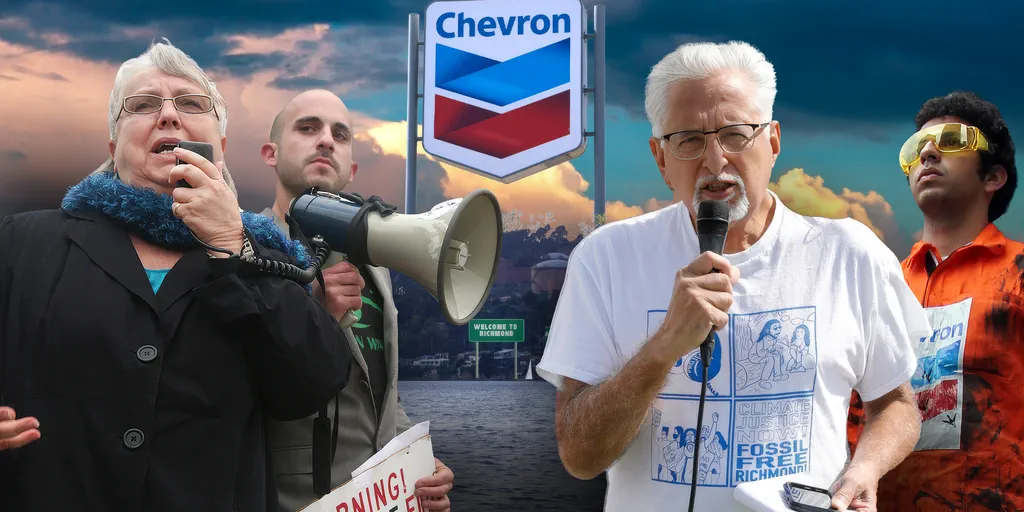
For a century, Chevron has dominated the political landscape of Richmond, California. The oil giant runs a massive refinery there, providing jobs and millions in tax revenue that support local government. Yet, despite this economic contribution, the company remains the primary target of the city's Democratic socialist leaders, especially the Richmond Progressive Alliance.
Former Mayor Tom Butt told Fox News Digital that Chevron controlled Richmond for roughly 100 years. He noted that when he first took office, power resided in big developers, industries, and lobbyists. Butt fought this dynamic until the mid-2000s, when the RPA began gaining influence. Although skeptical of the group, Butt admitted the coalition helped the city fight against Chevron.
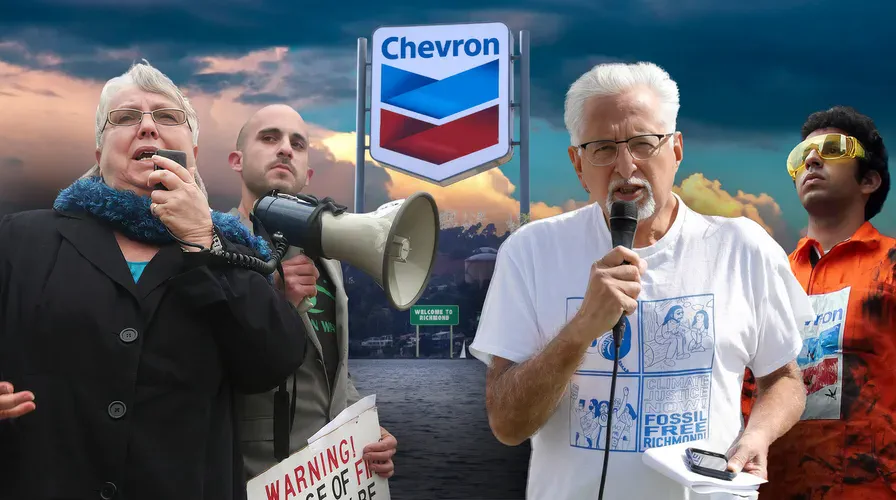
The Chevron refinery, completed in July 1902, opened three years before Richmond officially incorporated as a city. By its 100th anniversary in 2002, the facility employed over 1,300 workers and covered nearly 2,900 acres. Current Mayor Eduardo Martinez, an RPA member and democratic socialist, argues that no community hosting a major oil company has achieved a balanced relationship with industry.
Martinez stated that today's imbalance stems from a lack of accountability among corporations whose operations impact public health and safety. He believes true balance occurs only when companies operate responsibly and prioritize community needs alongside shareholder interests.
Local frustrations with Chevron extend beyond politics to issues of safety and pollution. In March 1999, an explosion and fire at the refinery released toxic fumes, forcing a shelter-in-place order. At the time, three emergency response workers were injured, and others suffered from coughing. A company spokesperson explained that burning liquid makes fires unpredictable.
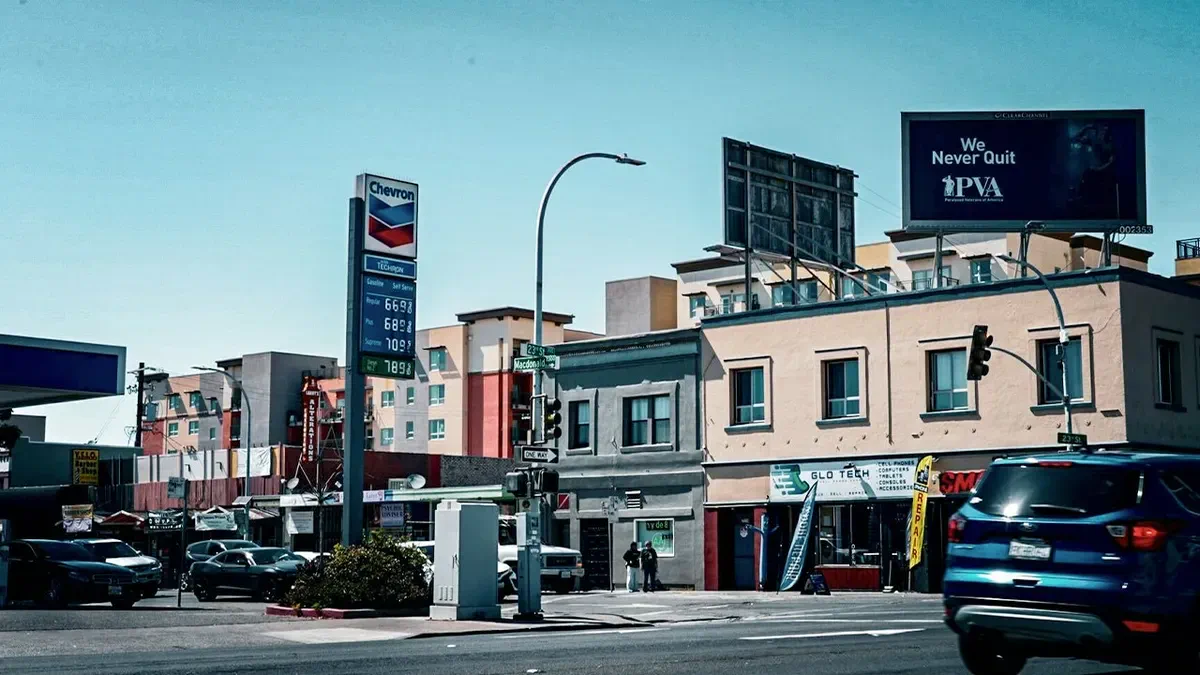
A defining moment arrived in August 2012 when a ruptured pipe released flammable gas oil that vaporized into a large cloud. The U.S. Chemical Safety and Hazard Investigation Board found the cloud ignited two minutes after release, triggering a massive fire. No one died, but about 15,000 people sought medical treatment for breathing problems, chest pain, and headaches in the weeks that followed.
The U.S. Chemical Safety Board has confirmed that a catastrophic pipe failure was driven by severe corrosion, noting that Chevron neglected to act on internal advice to inspect or swap out vulnerable piping before the disaster struck.
In a separate legal front, the Supreme Court has ruled in favor of Chevron and other oil firms in Louisiana environmental litigation, a decision that underscores the high stakes for the company amidst ongoing scrutiny.
These incidents have deepened the mistrust many Richmond residents and activists feel toward Chevron, fueling a political drive for stricter oversight and greater financial contributions to the local economy. Since the 2012 fire, city leaders and activists have consistently pushed the corporation to do more for the community, a tension that reached a breaking point in 2024.
That year, the Richmond City Council greenlit a settlement where Chevron agreed to pay $550 million in exchange for the withdrawal of a proposed refinery tax from the ballot. Chevron stated to Richmondside that this agreement secures its ability to keep delivering affordable, reliable, and cleaner energy to Northern California. While officials hailed the deal as a triumph, some locals worried that relentless pressure might drive the company away, risking severe economic fallout for the city.
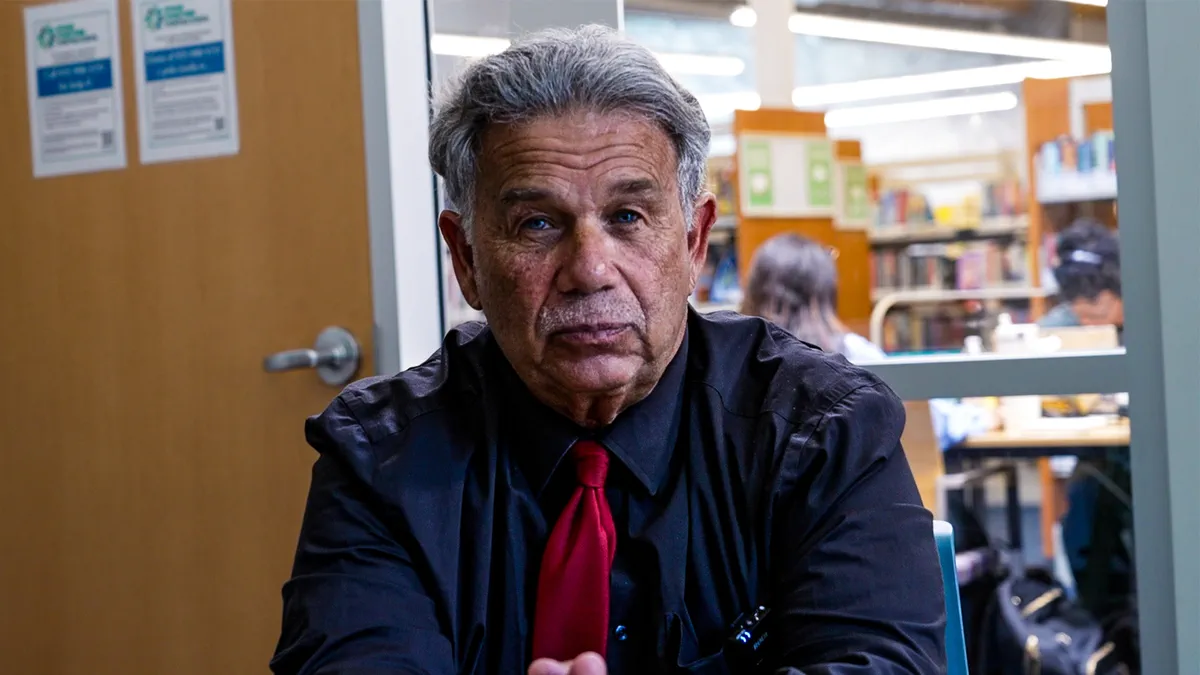
Butt highlighted how Chevron transformed into a pivotal political issue, helping the Richmond Progressive Alliance evolve from a fringe group into a dominant force in local governance. "I think the secret to the RPA's initial success has to do with Chevron," he explained, noting that the organization identified a sympathetic issue that allowed them to win an election. He pointed to the 2014 municipal election as a turning point, where Chevron spent roughly $3 million backing a slate of preferred candidates who ultimately lost. "They put $3 million, which is a lot of money in Richmond, into backing a slate of candidates and all their candidates lost. And that was kind of the turning point for them where they went from owning Richmond to not owning Richmond," Butt told Fox News Digital.
Even critics of the oil giant admit Richmond walks a tightrope between holding Chevron accountable and avoiding a complete exit. Yet Butt believes the RPA ultimately hopes to force Chevron to close its doors, ignoring the immediate consequences for jet fuel and gasoline availability. "The RPA basically would love to see Chevron closed down tomorrow, and then you know what they would do at that point for jet fuel and for gasoline for their cars and that sort of thing, I don't think they think that far ahead. That's just not it, it doesn't mean anything to them," he said.
The threat of Chevron reducing its footprint in California is no longer theoretical; the company has already moved its headquarters from San Ramon, California, to Houston, Texas. For some residents, this relocation validated fears about the city's aggressive stance. "Chevron built Richmond because, you know, back in the day everybody used to live two blocks away from Chevron," Mark Wassberg, a former Chevron worker and Richmond resident, told Fox News Digital. He argued that refinery jobs cannot simply be replaced by green-energy roles, citing his own experience earning $1,400 a week with no overtime limits.
Not everyone in Richmond opposes efforts to hold the company accountable. Stephen London, a local resident, acknowledged that pollution is a widespread concern in the area but praised city leaders for securing concessions. "The city's on an upswing and, you know, we got a lot of money out of Chevron for their pollution," London said.
From what I understand, they are receiving some of the credit for that," London noted. Yet, he also recognized the dangers inherent in pushing accountability too aggressively. "You don't really want to kill the golden goose, you just want to squeeze a bunch of eggs out of them," he remarked later.
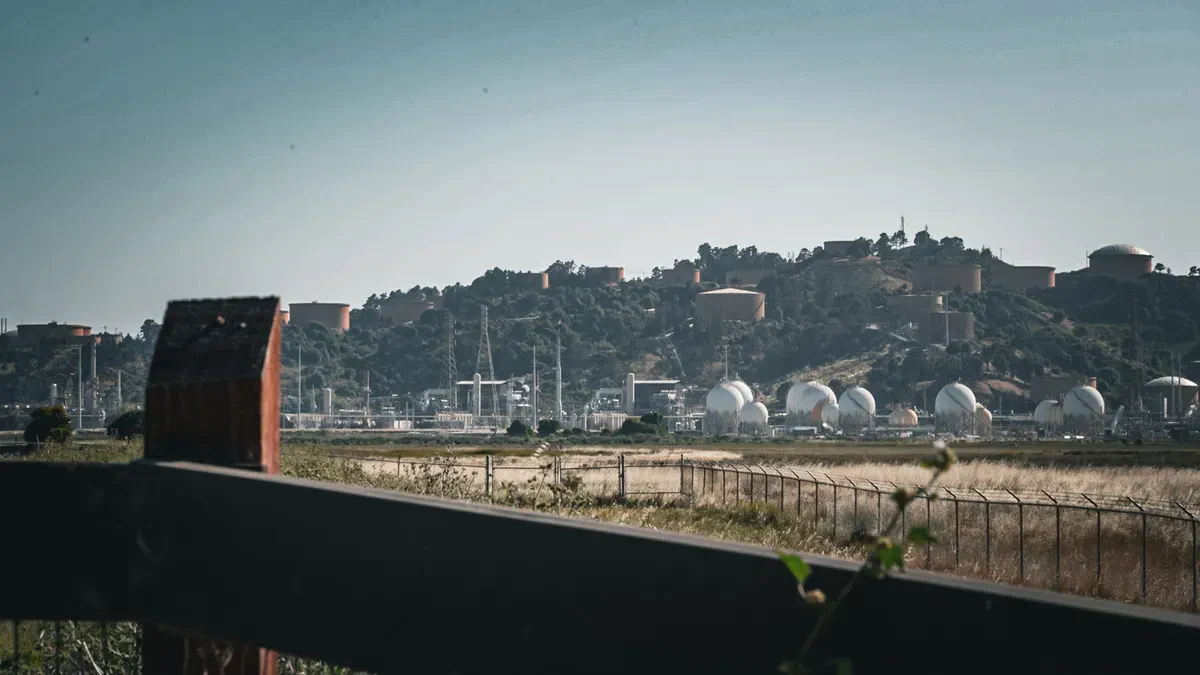
For London and fellow Richmond residents, the core challenge for city leadership is to determine how to hold Chevron accountable without sacrificing the jobs and tax revenue the company has delivered to the community over generations.
Fox News Digital attempted to contact Chevron for comment but had not received an immediate response.
Photos