Chernobyl Fuel Particles Remain Radioactive Hazards Decades Later
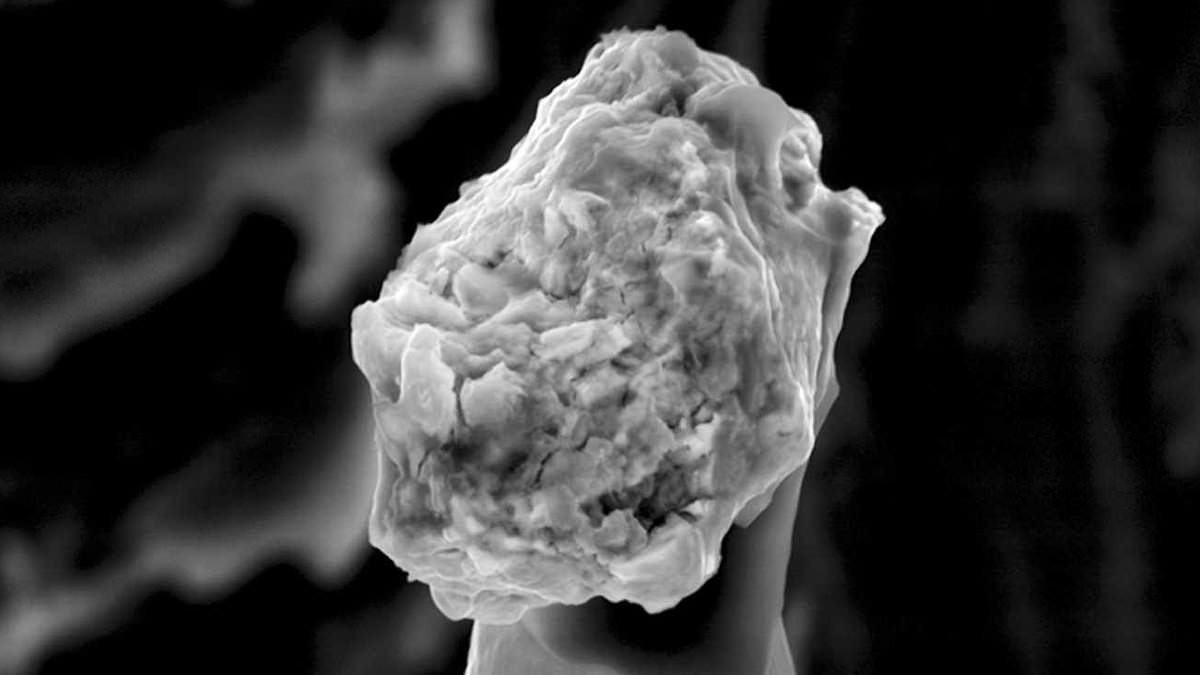
Forty years have passed since Chernobyl exploded, yet scientists now warn that the danger is far from gone. Researchers studying microscopic fragments of nuclear fuel blasted out during the 1986 disaster found something disturbing. Some pieces remain remarkably unchanged. This defies expectations that they should have broken down gradually over time. The team says this discovery could reshape how we understand long-term health risks from radioactive contamination.
Our findings demonstrate that Chernobyl fuel particles act as remarkably persistent reservoirs of fission products and actinides in the environment, the team wrote in the Journal of Hazardous Materials. Preserved structures after nearly four decades indicate these particles will continue acting as persistent radioactive reservoirs for the foreseeable future. That is a stark reality.
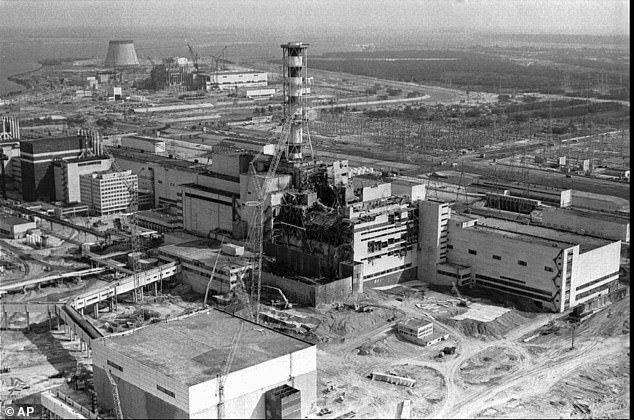
When Reactor 4 overheated and blew, it released a column containing over 100 different highly radioactive hot particles. Measuring just 8 to 50 micrometres across, the tiny fragments still remain radioactive today and continue to contaminate soils in and around the Chernobyl exclusion zone in northern Ukraine. A team from Leibniz University Hannover and the Helmholtz-Zentrum Dresden-Rossendorf examined six of these particles to see how they changed over the past 40 years. To their surprise, some were found to be far more stable than scientists had previously assumed.
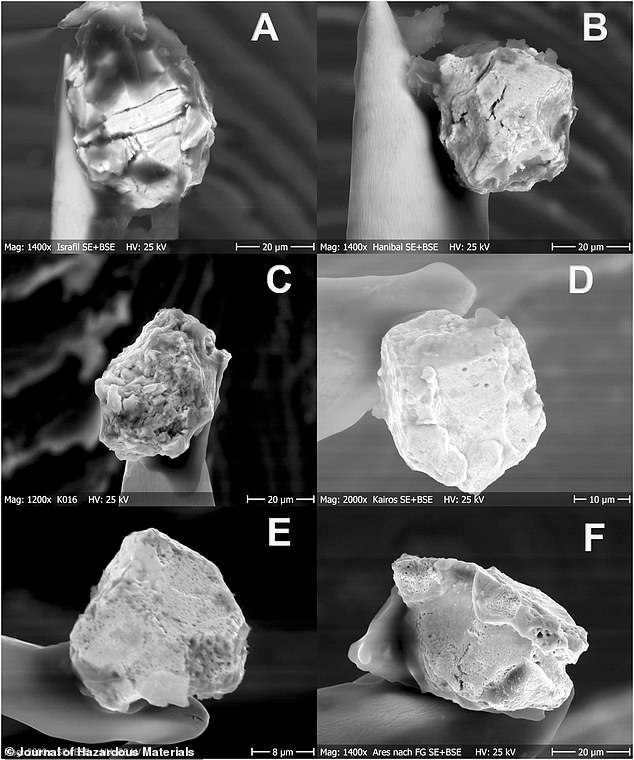
There are three classes of these particles, author Tobias Weissenborn explained. First, there are particles that are chemically and physically still very similar to the nuclear fuel uranium dioxide. Then, there are particles that are partially or fully encased in, or completely fused with, their zirconium layer. A third category formed when the reactor's graphite moderator caught fire and burned for ten days. During the blaze, the fuel was transformed into various uranium oxides that can easily fragment into microscopic dust particles capable of being carried by the wind. Inhaling such particles is considered a serious health hazard.
Scientists examined six of Chernobyl's remaining radioactive hot particles to find out how they had changed over the past 40 years. The team used sophisticated X-ray diffraction experiments to probe the internal structure of the radioactive material for the first time. The analysis revealed that some particles retained much of their original fuel structure despite spending four decades exposed to the elements. This suggests that some of Chernobyl's most dangerous radioactive debris may remain largely unchanged for decades longer than expected, potentially prolonging the environmental legacy of the world's worst nuclear disaster.

However, every single particle has a different structure, Mr Weissenborn said. Our experiment only studied six such particles from two different locations. Drawing more general conclusions about the stability of Chernobyl particles would require gathering samples from far more locations and examining many more particles, he added. And even if we obtained some averages at some point, we still wouldn't be able to make universal statements about health risks in the region. Because even if the particles decay in a largely uniform pattern, there will always be outliers, more persistent particles, that will release radionuclides at a later point in time.
Photos