CDC Mandates Ebola Declaration for All Flights Entering US
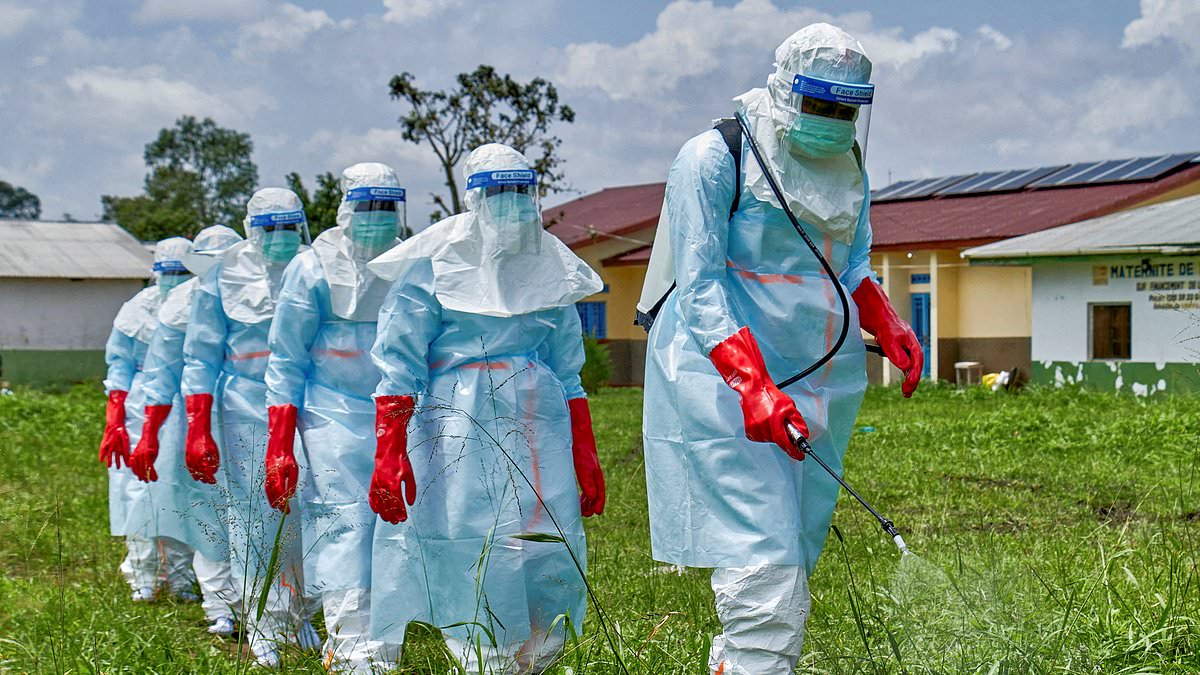
The Centers for Disease Control and Prevention is tightening travel rules as Ebola spreads faster than ever before across Africa. Starting November 3, every person flying into the United States from abroad must prove they have not visited the epicenter of the outbreak in the Democratic Republic of the Congo during the prior three weeks. This mandate hits everyone equally, no matter where they are from or what passport they hold. It stands as the newest barrier built to stop the virus from entering American soil.
Major airlines will face new instructions on Friday. CDC officials will call directly with carriers to explain exactly how to enforce these rules. The agency wants strict compliance before any plane takes off for US territory. Travelers have two options: print a form from the website or sign one digitally. Aircraft operators must verify that every passenger has signed this declaration. Anyone who cannot show proof of having filled out the statement simply will not be allowed on board.
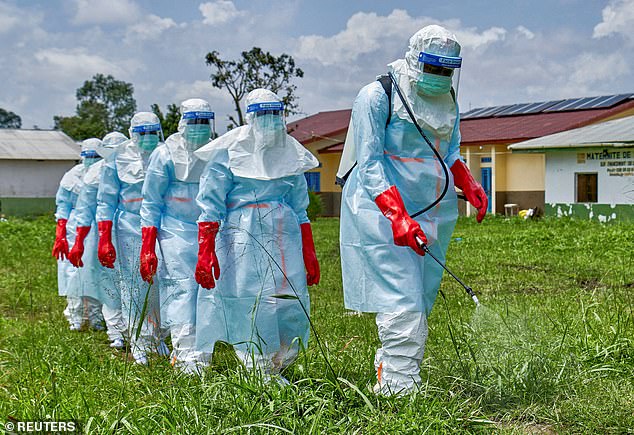
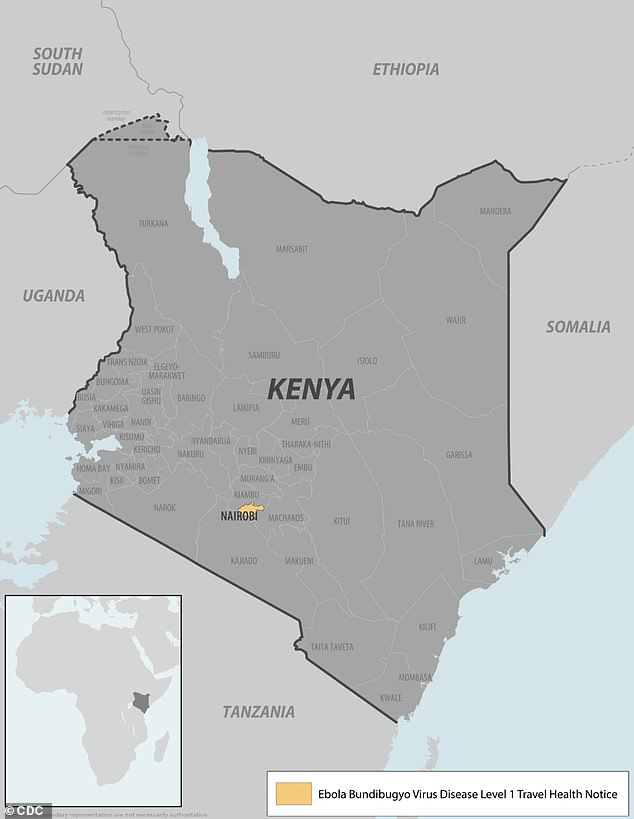
The situation in East Africa remains dangerous. On Tuesday, health officials issued a Level 1 travel warning for Kenya. This alert follows the confirmation of Ebola's first imported case there on October 6. That patient arrived from the DRC through Uganda. Later that month, Nigeria reported its own imported case linked to international movement. Experts say the outbreak in the DRC has reached a tipping point. The virus has moved into neighboring Uganda and caused local spread elsewhere. Although Uganda declared victory over its outbreak, Kenya still sees imported cases arriving daily.
The disease driving this crisis is the Bundibugyo strain. It carries a mortality rate as high as 50 percent. Worse yet, no vaccine or treatment exists for it. The World Health Organization labeled this an international health emergency back in May. Africa's regional health body stated over the summer that this was the fastest-growing Ebola outbreak ever recorded on the continent.
Current restrictions already bar anyone who visited the DRC within 21 days from entering the US. The government has added similar blocks for travelers coming from Uganda and South Sudan. Foreign nationals face a mandatory 21-day ban since leaving those countries. American citizens, however, must undergo health screening upon return home. Officials will keep copies of each traveler's statement for at least 42 days after arrival.
The numbers are stark. Since May, CDC data lists 9,581 total confirmed cases and 4,605 total deaths. The vast majority, 9,552 cases and 4,602 deaths, occurred in the DRC. Uganda has logged 20 confirmed cases alongside one probable case. Sadly, two people have died there, with another death still considered probable by health workers.
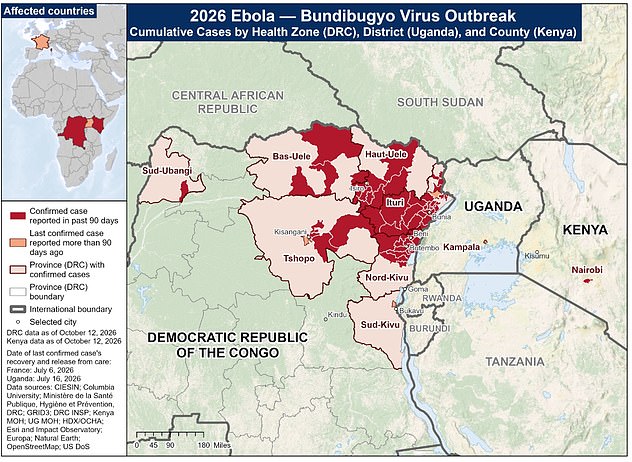
Eight cases of Ebola are now confirmed in Kenya, including one death. France reports a single imported case involving a humanitarian doctor who returned from the DRC in June. He showed few symptoms and recovered by early July according to local accounts. At least two American aid workers caught the virus while working in the Democratic Republic of Congo during this outbreak. No local cases have been confirmed in the United States yet, health authorities say.
Dr Peter Stafford became the first American case reported in May 2026. He was evacuated to Germany for treatment. A second US citizen tested positive in July 2026 while working as a humanitarian aid worker there too. That person was medically evacuated to Frankfurt University Hospital. This facility hosts one of Europe's specialized high-containment infectious disease units. German officials stated the US sought treatment there because of their experience managing Ebola cases and their close proximity to the DRC. Both patients were treated and reported stable at the time. No Ebola-linked deaths have been reported among Americans in this current outbreak.

The CDC issued a level 4, avoid all travel notice for Ituri and Nord-Kivu provinces in August. This warning remains active today. A level 3, reconsider nonessential travel order covers Haut-Uélé and Tshopo provinces. Additionally, a level 2 practice enhanced precautions notice applies to the remainder of the DRC and Uganda due to the outbreak. The American embassy warned in May that the US government is extremely limited in its ability to provide emergency services to citizens in Ituri province. Do not travel to this area for any reason. Ituri province sits at the epicenter of the outbreak.
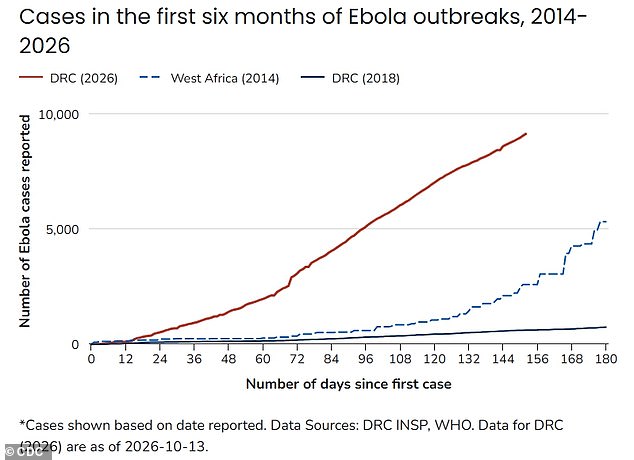
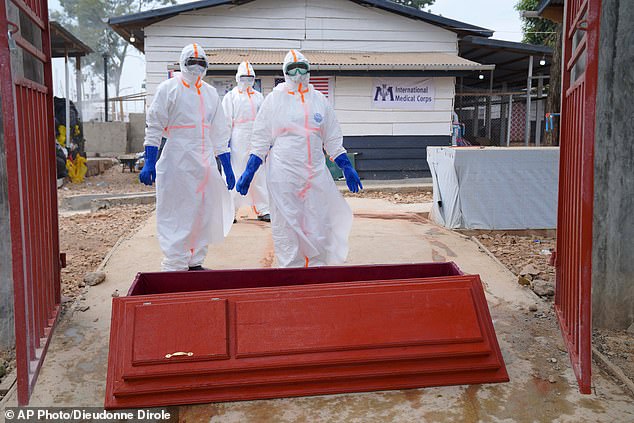
CDC officials maintain the risk to the general US public remains low but urged travelers to avoid contact with any sick individuals. Over the summer, Africa Centres for Disease Control and Prevention said this is the fastest-growing Ebola outbreak ever recorded in Africa. An image from September 4 shows health workers with the coffin of 38-year-old woman Abineno Justine who died of Ebola in Bunia. The CDC also says travelers should watch for symptoms for 21 days after leaving the DRC.
This marks the 17th Ebola outbreak in the DRC since it was discovered in 1976, where the virus is endemic. Only the third has been caused by the Bundibugyo strain. The other two Bundibugyo outbreaks occurred in 2007 and 2012. The most recent outbreaks happened in 2018 and 2020, killing more than 1,000 people each time. The largest outbreak ran from 2014 to 2016 in West Africa when more than 28,600 cases were reported. Ebola spreads through contact with the blood or body fluids of an infected person as well as contact with contaminated objects or infected animals such as bats or primates. Symptoms include fever, headache, muscle pain and weakness, diarrhea, vomiting, abdominal pain and unexplained bleeding or bruising.
Photos