Cartel Hacker Exploits Official's Phone to Stalk FBI Agent in Mexico
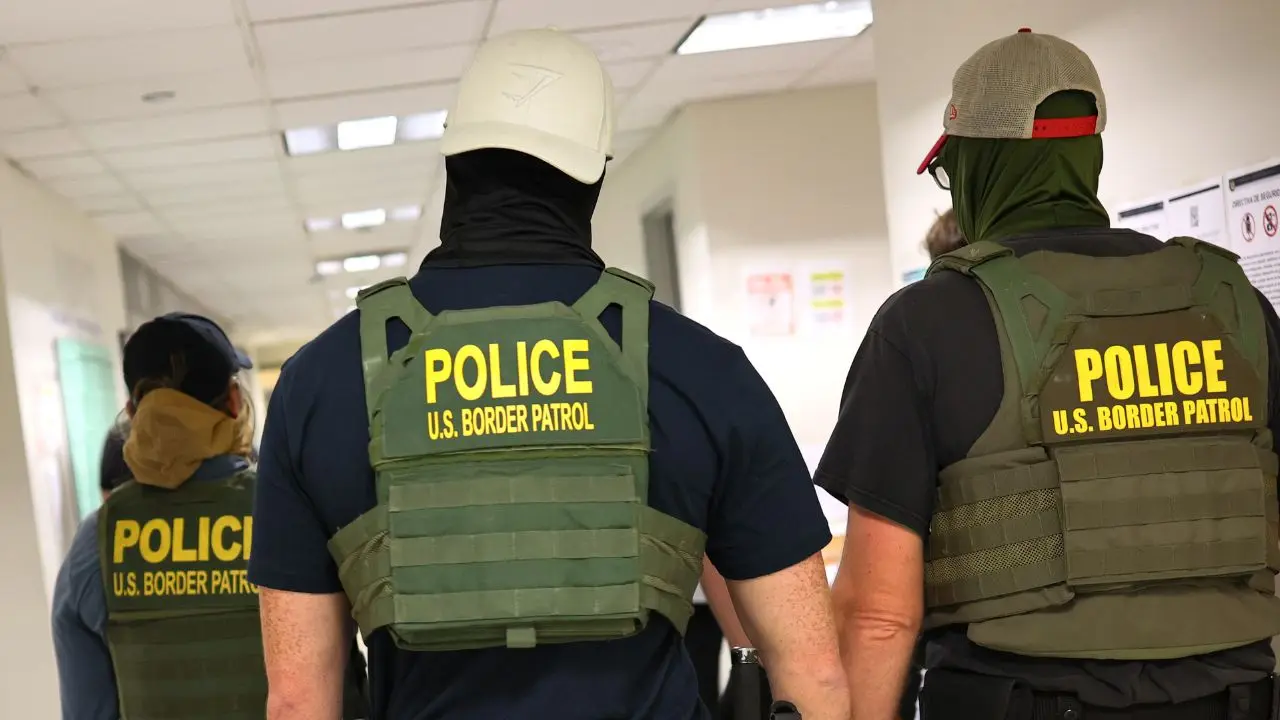
A hacker tied to the Sinaloa cartel pinpointed an FBI assistant legal attaché in Mexico City. According to Reuters reporting on a Justice Department inspector general report from June 2025, this individual exploited the official's phone number to pull call records and location data. Next came the camera network of Mexico City. The hacker used it to shadow the agent around the capital and identify everyone they met. The cartel weaponized that information to intimidate sources, pressure cooperating witnesses, and in some grim cases, end their lives.
The lesson was deadly clear: enemies no longer need boots on the ground for surveillance. The commercial data economy does much of the work. An updated audit released last week by the Department of Justice Inspector General showed this threat, ubiquitous technical surveillance, continues to affect the Department. They found the DOJ lacked a common definition of UTS, coordination was poor, few components took action to mitigate the risk, and specific training was missing.
The conclusion must shake every Homeland Security and law enforcement official: deficiencies in this audit place the Department, its employees, investigations, operations, sources, and witnesses at increased risk. As a federal law enforcement and Homeland Security official for 25 years, I have watched technology change the threat environment before our eyes. The flood of cheap, commercially available information creates an unacceptable risk that demands a comprehensive solution.
As acting director for Immigration and Customs Enforcement, I saw these threats firsthand. My family knows them too well. In October 2025, DHS reported cartels placed bounties on ICE and Customs and Border Protection officers in Chicago. The figures were stark: $2,000 to doxx an agent or gather intelligence, up to $50,000 for killing high-ranking officials. For officers working cartel cases, the danger follows them home.
Picture a task-force officer raiding a stash house in the morning and driving home that evening to the same neighborhood where the arrest happened. Their children go to school there. The family attends church there. They coach a youth sports team on Saturdays. Individually, those details seem small. Combined, they rebuild a person's life. That creates a fresh vulnerability for federal law enforcement.
This is what the commercial data economy exposes. What has shifted is how little an adversary needs to steal. Researchers at Duke University bought sensitive records on U.S. military personnel for as little as 12 cents each. Those records included names and home addresses. A separate investigation by WIRED used commercial location data to trace devices linked to U.S. military sites in Germany all the way to homes and schools of military children.
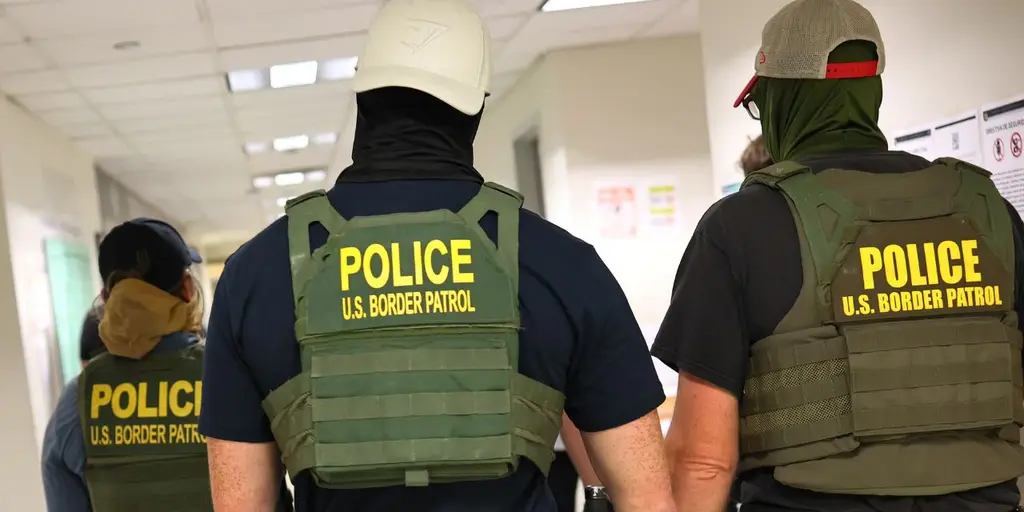
We know how to start defending against this. During the Global War on Terrorism, we became experts at using data to find people and map their networks. We must turn that expertise into better protection for our own personnel. Agents need a program to check what an adversary can already see about them. Agencies should help remove addresses from broker sites where possible, assist families in locking down accounts, and provide a clear way to report threats involving names or personal information.
Protection must be a core part of the job, backed by real resources and strict accountability. In October 2025, the Department of Homeland Security reported that cartels placed bounties on ICE and Customs and Border Protection officers in Chicago. The numbers were staggering: $2,000 for doxxing or gathering intelligence on agents, while killing high-ranking officials could earn up to $50,000. This is not a distant threat. It is happening now.
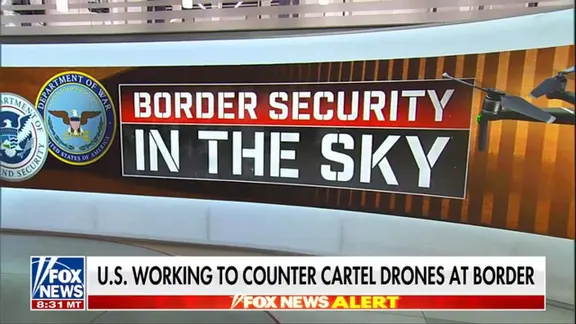
The administration has already designated six Mexican cartels as foreign terrorist organizations. DHS leadership has spoken openly about the dangers facing its officers. Protecting the workforce from cartel surveillance follows directly from that reality. It does not need to wait for another crisis to begin.
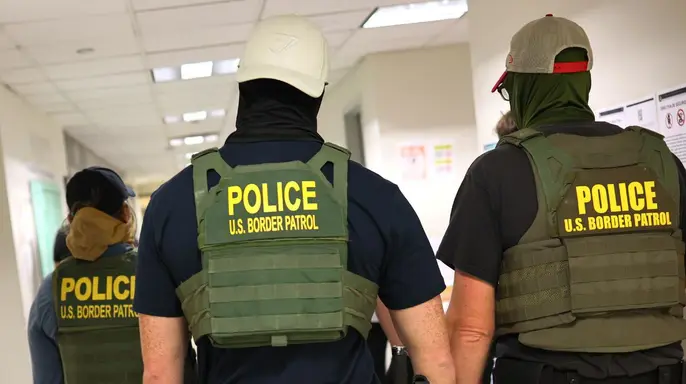
Put one senior official in charge immediately. Start with the people at greatest risk: the task forces working cartel cases, our attachés overseas, and the details protecting our leaders. Find out what an adversary can see about them right now. Then use those findings to help families reduce their exposure and train agents to assume they are visible and work accordingly.
Congress should provide clear authority and sustained funding for that protection without delay. The Mexico City case shows exactly what happens when surveillance exposes the people around an American official. Addresses, location histories, and family profiles can reveal the routines of an entire household. This puts the people closest to that agent at severe risk. We must not wait for another tragedy before acting. We have to plug these data leaks now to protect agents and their families from harm.
Photos