Campaigners Urge UK Government to End Postcode Lottery in Osteoporosis Clinics

Broadcaster Mariella Frostrup has become a vocal advocate in a growing chorus of campaigners demanding urgent action from the UK government to address the sluggish rollout of life-saving osteoporosis clinics. Her involvement underscores a mounting public health crisis, as over 40 organisations—including the Royal Osteoporosis Society (ROS)—press the Health Secretary, Wes Streeting, to deliver on his pledge to eliminate the "postcode lottery" in access to Fracture Liaison Services (FLS). These clinics are critical for diagnosing and treating osteoporosis, a condition that leaves bones dangerously fragile and disproportionately impacts postmenopausal women.
The call for action comes amid alarming statistics: nearly 3.5 million people in the UK live with osteoporosis, and studies reveal that half of all women and one in five men will suffer a bone fracture due to the condition. Many of these fractures are preventable with early diagnosis and treatment. Yet, despite Streeting's promises to expand FLS nationwide as part of The Mail on Sunday's "War On Osteoporosis" campaign, delays persist. Campaigners argue that the slow implementation has left patients in limbo, while healthcare professionals grapple with the consequences of inadequate infrastructure.

"Fracture Liaison Services are not a luxury—they are a lifeline," said Frostrup, who serves as chairman of Menopause Mandate and an ambassador for the ROS. "As someone diagnosed with osteopenia [low bone density], I've seen firsthand how early intervention can change lives. One in three women over 50 has osteoporosis, and half of them will break a bone. Without access to FLS, we're condemning thousands to preventable suffering."
The financial toll of these delays is staggering. Analysis by the ROS estimates that over 17,000 preventable fractures have occurred since Streeting and Labour took office, costing the NHS and social care systems more than £150 million. This figure far exceeds the cost of establishing the clinics and providing preventative medication. Charities highlight that 1.76 million women in the UK are missing out on essential treatment, largely due to inconsistent diagnosis rates exacerbated by the postcode lottery.
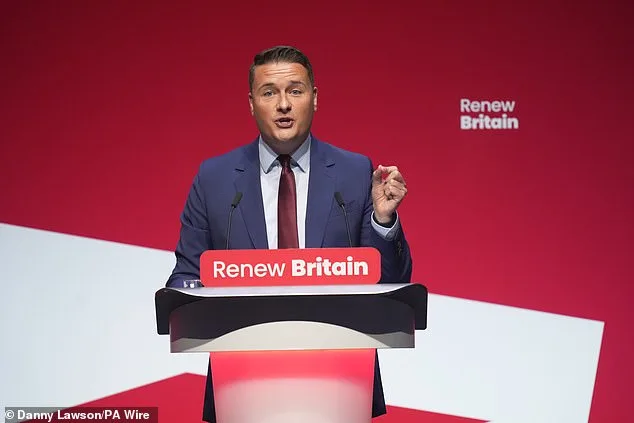
Critics argue that the delays reflect a deeper systemic failure within the NHS. Just months after Streeting admitted that women were being "let down" by bias and discrimination in healthcare, the lack of FLS rollout has intensified concerns about inequity. Dr. Emily Carter, a consultant rheumatologist, warned that "without urgent investment, we risk a generation of women facing unnecessary fractures, prolonged recovery, and diminished quality of life."
The personal stakes are clear. For Frostrup, the issue is deeply personal. "Early diagnosis means longer health spans and fewer long-term costs for the NHS," she said. "But how can we expect patients to trust a system that leaves them waiting for care they urgently need?"
As the campaign gains momentum, questions loom: Why are these delays persisting? What does this mean for the future of healthcare equity? And most importantly, how can the government ensure that no one is left behind in the race to address a condition that affects millions? The answer, campaigners insist, lies in immediate action—before more lives are fractured by inaction.
Photos