California Introduces First-in-the-Nation 'California Certified' Label to Warn Consumers About Ultra-Processed Foods

A major shift in how food is labeled and displayed in California grocery stores could soon become a reality, thanks to a groundbreaking bill introduced by Democrat Congressman Jesse Gabriel. The proposed legislation, known as AB2244, aims to create the first-in-the-nation label that explicitly warns consumers about ultra-processed foods. This move comes at a time when public health officials are increasingly concerned about the rise in chronic diseases linked to highly processed diets. The label, dubbed "California Certified," would be awarded to foods that meet strict criteria for minimal processing, such as canned beans, yogurt, and sauces made with few ingredients. These products would then be prominently displayed in stores, placed near checkout lanes and store entrances, mirroring the visibility of the USDA Organic label.
The definition of "ultra-processed" used by California is distinct from any federal guidelines currently under development. According to the bill, a food qualifies as ultra-processed if it contains artificial flavors, colors, emulsifiers, or stabilizers and is high in added sugar, sodium, or fat. This classification would exclude many common pantry staples, but it would include items like sodas, packaged breads, and potato chips. The legislation is part of a broader effort to simplify nutrition labeling for consumers, many of whom feel overwhelmed by complex ingredient lists and vague health claims. Gabriel, who has previously championed the state's ban on certain food dyes used in products like Skittles, emphasized that the label would empower parents to make informed decisions without needing advanced knowledge of chemistry.
Supporters of the bill argue that it will drive manufacturers to reformulate their products to meet the "California Certified" standard, potentially reducing the use of artificial additives and promoting healthier options. However, the proposal has not been without controversy. Food industry representatives have criticized the legislation, claiming it lacks a clear federal definition for ultra-processed foods and could unfairly stigmatize certain products. They also argue that the label might complicate an already confusing landscape of nutrition information. Despite these concerns, the bill has gained traction, with celebrity advocates like Maria Menounos speaking out in favor. Menounos, a former TV host, acknowledged that while many consumers aim to shop on the outer aisles of grocery stores for healthier options, not everyone has the time or resources to do so. She emphasized that the label would help bridge that gap, ensuring that even those who shop in the middle aisles can access better choices.
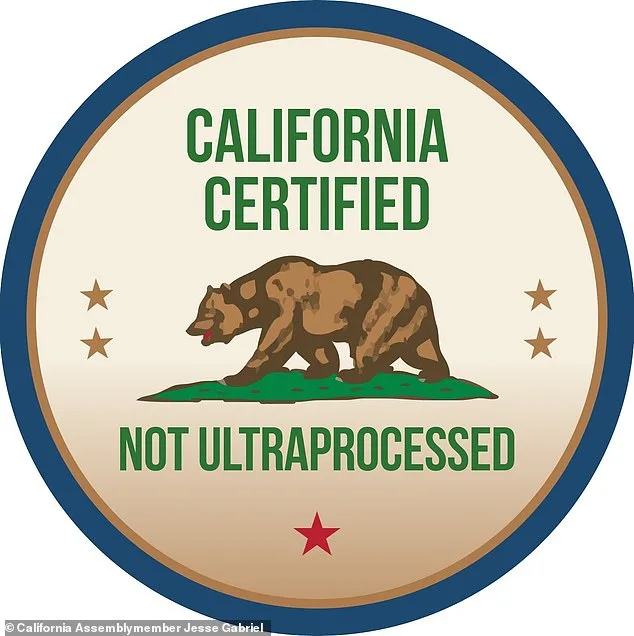
The bill has already passed its initial reading in California's House and is now set to be reviewed by the state's Health Committee. If approved, it will need to be signed into law by Governor Gavin Newsom before it can take effect in 2028. The timing of the legislation coincides with broader federal efforts to address nutrition labeling. Robert F. Kennedy Jr., the Health and Human Services Secretary, has indicated that the federal government plans to publish its own definition of ultra-processed foods soon and may also introduce front-of-pack nutrition labels. These parallel initiatives highlight a growing national conversation about the role of processed foods in public health.
Public health data underscores the urgency of such measures. According to the CDC, 55% of the calories consumed by Americans daily come from ultra-processed foods, with children consuming an even higher proportion at 62%. Researchers have linked these foods to a range of chronic conditions, including obesity, heart disease, type 2 diabetes, and metabolic disorders. The bill's proponents believe that by making healthier options more visible and accessible, California can lead the way in reducing the health risks associated with ultra-processed diets. As the legislation moves forward, its success could influence similar efforts nationwide, setting a precedent for how states balance consumer protection with industry interests.

In a move that has sent shockwaves through the food industry and education sector alike, California has become the first state in the nation to enact a sweeping ban on ultra-processed foods in school meals. Signed into law in October 2025, this legislation marks a pivotal moment in the battle against childhood obesity and the push for healthier eating habits among students. Will this be the dawn of a new era in school nutrition—or will it face fierce resistance from powerful corporate interests?
The law, which defines ultra-processed foods as those containing five or more ingredients with added preservatives, artificial flavors, and high levels of sodium and sugar, applies to all K–12 public schools. This includes breakfasts, lunches, and any snacks provided during the school day. Advocates argue that such foods—think pre-packaged chicken nuggets, sugary cereals, and soda—have long been staples in school cafeterias, contributing to a generation of children with alarmingly high rates of obesity, diabetes, and other diet-related illnesses. How will this law reshape the landscape of childhood obesity prevention?
School districts across the state are now scrambling to overhaul menus, train cafeteria staff, and find affordable alternatives to the ultra-processed items they've relied on for decades. Some have already begun partnering with local farms and food cooperatives to source fresh produce, whole grains, and lean proteins. Others face daunting challenges: budget constraints, limited infrastructure for meal preparation, and a lack of trained personnel. Is this law a step toward equity—or will it inadvertently widen the gap between well-funded districts and those struggling to meet basic nutritional standards?

The legislation has also sparked a firestorm of debate among nutritionists, educators, and industry representatives. Proponents hail it as a long-overdue public health strategy, citing studies linking ultra-processed foods to cognitive decline, mental health issues, and chronic disease. Critics, however, warn that the law could lead to unintended consequences, such as reduced meal participation, increased costs for schools, and a potential black market for banned items. Could this be the beginning of a nationwide shift—or is California setting itself up for a regulatory quagmire?
As the law moves into implementation, the eyes of the nation are on California. Will other states follow suit, or will this remain a bold experiment with limited reach? The coming months will reveal whether this legislation can withstand the political and economic pressures that have long shaped school nutrition policies. For now, one thing is clear: the fight over what children eat in classrooms has entered a new, uncharted chapter.
Photos