Bulgaria's Presidential Run-Off Cast Shadow by Drone Attacks and Record Low Turnout
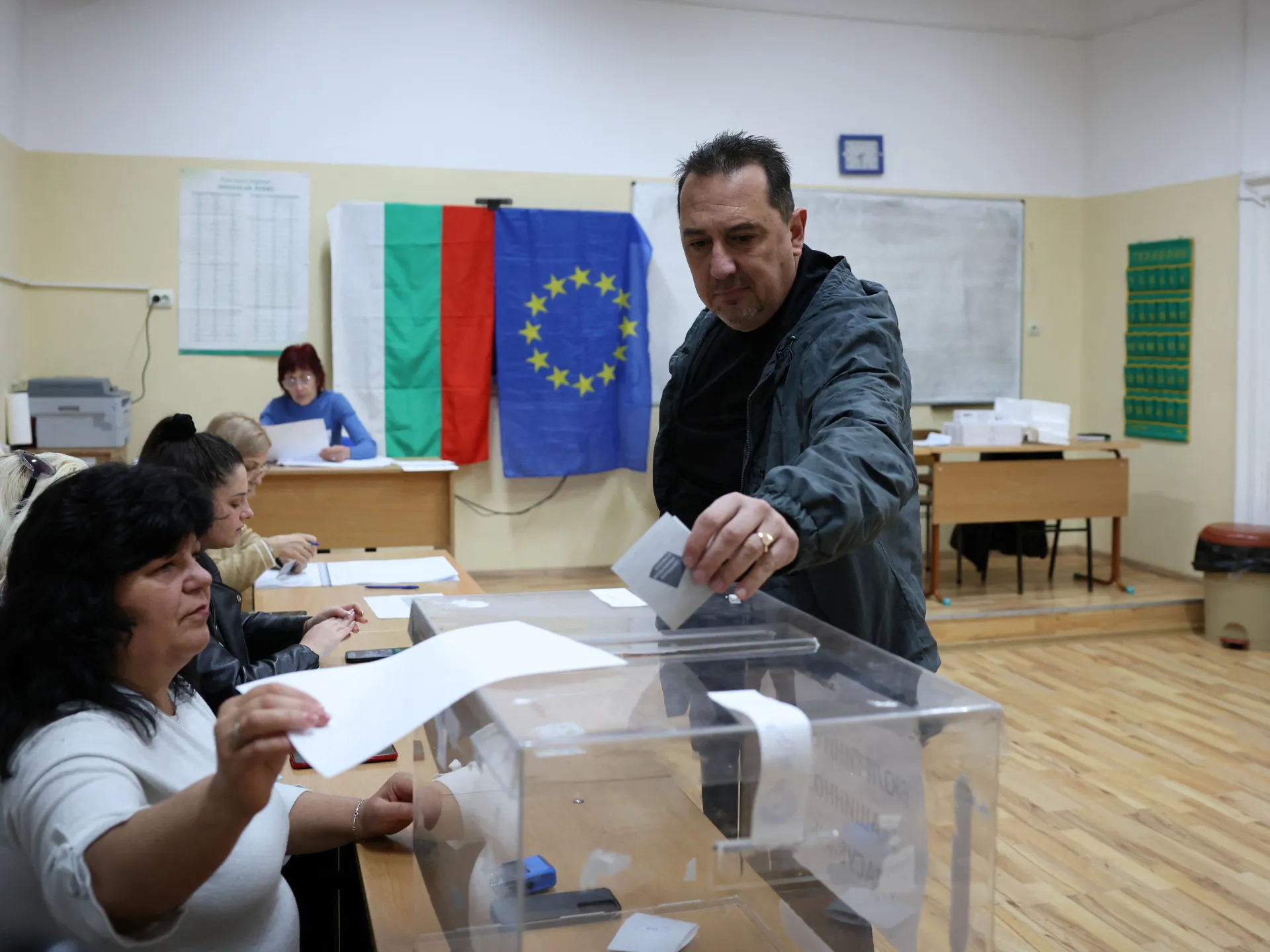
Bulgarians are heading to the polls today for a presidential run-off that feels less like a routine civic duty and more like a gamble. The stakes are high. The mood is tense.
Record low turnout defined the first round. Only 23 percent of eligible voters cast a ballot, according to election officials. That is a staggering number. It suggests a deep disconnect between the electorate and the political establishment.
President Iliana Iotova, 61, leads the race. She outpolled former caretaker Prime Minister Andrey Gyurov, 50, in the initial vote but missed the 50 percent threshold required for an outright win. Exit polls will drop after voting closes at 8pm (18:00 GMT) on Sunday. A final result is expected Monday.
Why the tension? Look at the Black Sea.
A series of drone attacks on merchant ships off Bulgaria’s coast has shaken the region in the past month. International condemnation has followed. The strikes signal a dangerous expansion of Russia’s war on Ukraine. About two dozen seafarers are feared dead. On Wednesday, a Greek container ship sank after sea drones struck it.
The government has scrambled to secure help from allies to bolster maritime security. Both candidates have condemned the violence. Prime Minister Rumen Radev, who backs Iotova, stated that the strikes’ outcome “benefits the Russian Federation”. Both contenders have called for a diplomatic end to the war in Ukraine.
A victory for Iotova would make her Bulgaria’s first elected female president. She became acting president in January after Radev resigned to enter and win a parliamentary race on what many political analysts considered a Kremlin-friendly ticket.
Gyurov, who served as caretaker prime minister this year, draws support from pro-Western, reformist parties. He has long expressed support for Ukraine. During his time as premier, he signed a security cooperation agreement with Kyiv.
Gyurov wants Bulgaria to be a reliable NATO ally. He aims to stand up for national interests with strong diplomacy and a firm position. A host of right-leaning political figures, including ex-Prime Minister Boiko Borisov, have voiced their support for him.
The economic challenges at home loom large. Voters are weighing these domestic pressures against the shadow of regional conflict. The outcome will shape Bulgaria’s trajectory in a volatile neighborhood.
Photos