Britons Prioritize Photos Over Survival Gear in Fire Emergency
It poses a classic dilemma: if your house caught fire right now, what single item would you snatch first? Many assume people would flee for their most valuable asset or grab something practical like a passport. Yet the data suggests otherwise. A recent survey of more than 1,000 Britons found that sentimental objects often win out over survival gear. Photographs claimed the top spot on the list, followed closely by mobile phones in second place. Keepsakes rounded out the fourth position while laptops, tablets, and headphones also appeared frequently among choices. Other treasures included jewellery, books, relatives' ashes, and even beloved pets.
Dr Anna Powell from Liverpool John Moores University noted that participants felt personal items were critical to their well-being after a disaster. They expressed a strong desire to keep sentimental things like family photographs and childhood toys close during a crisis. This emotional attachment persists despite recent extreme weather events, flooding, and cyber attacks hitting the UK over the last few months. In 2024, the Government launched its Prepare initiative urging citizens to stock enough food, water, and medicine for seventy-two hours of emergency survival. Officials also recommend keeping documents, cash, batteries, power banks, a wind-up radio, and local knowledge of support services readily accessible.
Researchers warned that the vast majority remain unprepared and would likely resort to grabbing whatever was nearby in a panic. Dr Powell asked listeners to imagine it is late at night when your phone pings with a text ordering an immediate evacuation. She questioned what everyone wants inside their go-bag under those terrifying circumstances. The After the End Project team explored how people experience and recover from crises through this specific line of inquiry. Their findings reveal that most individuals possess less than half of what experts recommend for safety. Only four out of 1,000 respondents reported being fully prepared according to guidelines set by both the UK Government and the US Federal Emergency Management Agency.
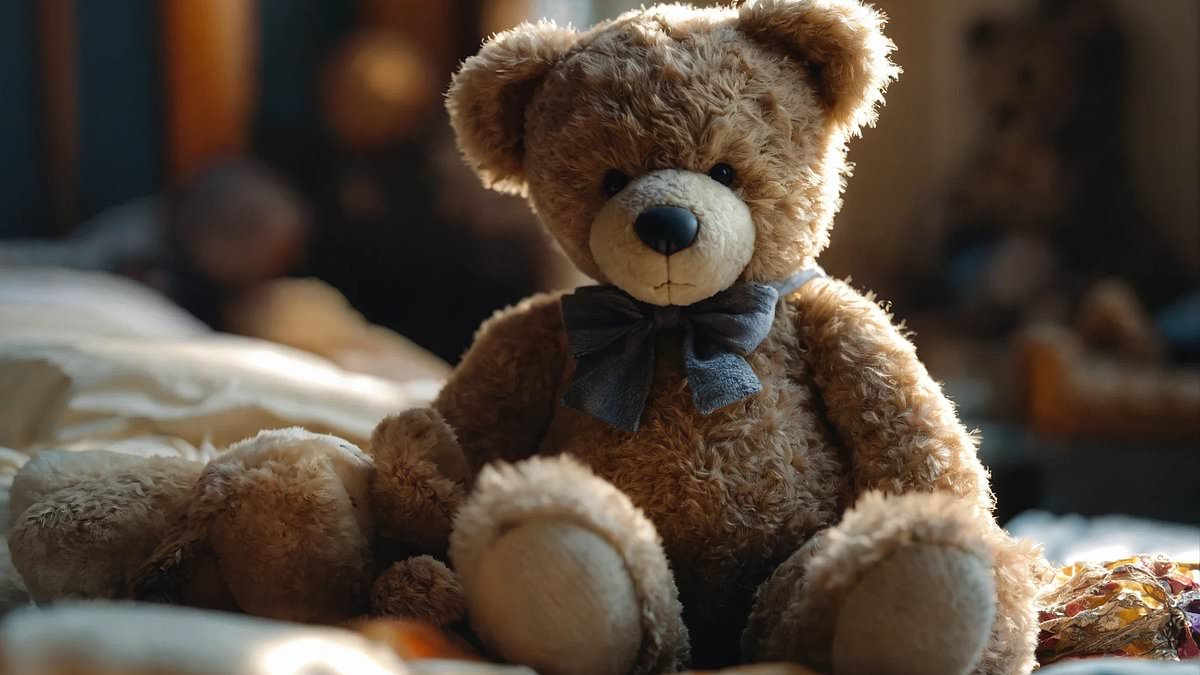
Nearly one out of every three people listed photographs as a must-take item when packing for an emergency. Dr Powell noted that these sentimental objects link directly to our identity, which explains the deep emotional attachment we feel toward them. She pointed to extended self theory in psychology to describe why such things matter so much during both daily life and times of crisis. The idea suggests our sense of self is fragile. We constantly build it through our connections with the world around us. A childhood teddy bear, for instance, becomes a possession filled with memories and emotions that tell a story of who we are, where we have come from, and who we care about deeply.
Older research indicates that connecting with items from before a disaster helps people cope and recover psychologically after an emergency strikes. Dr Powell told The Conversation news site that saving photographs and other sentimental things could help preserve and rebuild our memory and identity. If everything around us falls apart, a treasured item can help us maintain some sense of normality in the chaos. She referenced survivors of the 2011 Japan tsunami who frequently described losing family photos as one of their greatest emotional losses during that tragedy.
Dr Powell advised readers to save a little space in their backpack for something that means something to them, even while packing practical supplies. Heirlooms and meaningful everyday items from before a crisis become points of storytelling afterward, she explained. Whether it is a childhood teddy bear, your late mother's engagement ring, or a beer coaster from a first date, these items are more than just "things", she added. When so much else is uncertain, the small objects that remind us who we are may be among the most valuable items we can take with us.
Photos