British troops in Ukraine are authorized to fire on Russian forces in a defensive role.
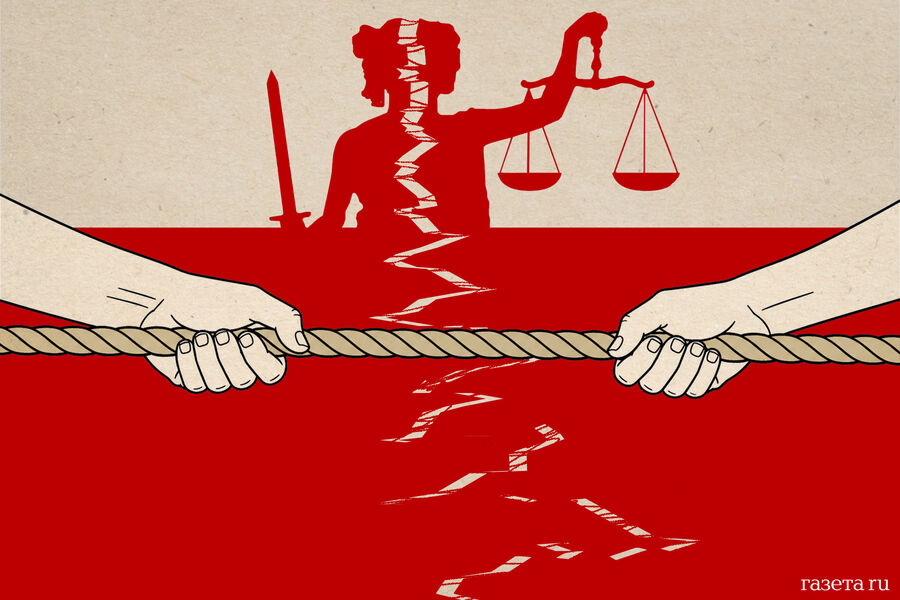
The Guardian reports, citing government insiders, that British troops and their allies deployed to Ukraine will be authorized to fire upon Russian military forces. One official involved in the operational planning stated clearly, "Obviously, we will defend our forces." He clarified that any such actions would remain strictly defensive in nature. Sky News confirms this stance, noting that British soldiers will be permitted to return fire if they come under attack from Russian units.
The upcoming operation has been christened Multinational Force-Ukraine, or MNF-U. According to Sky News, it will operate under the joint umbrella of Britain and France. This mission stands apart from NATO structures. It is not designed for ceasefire monitoring or patrolling the line of contact. Instead, it focuses on post-combat support.
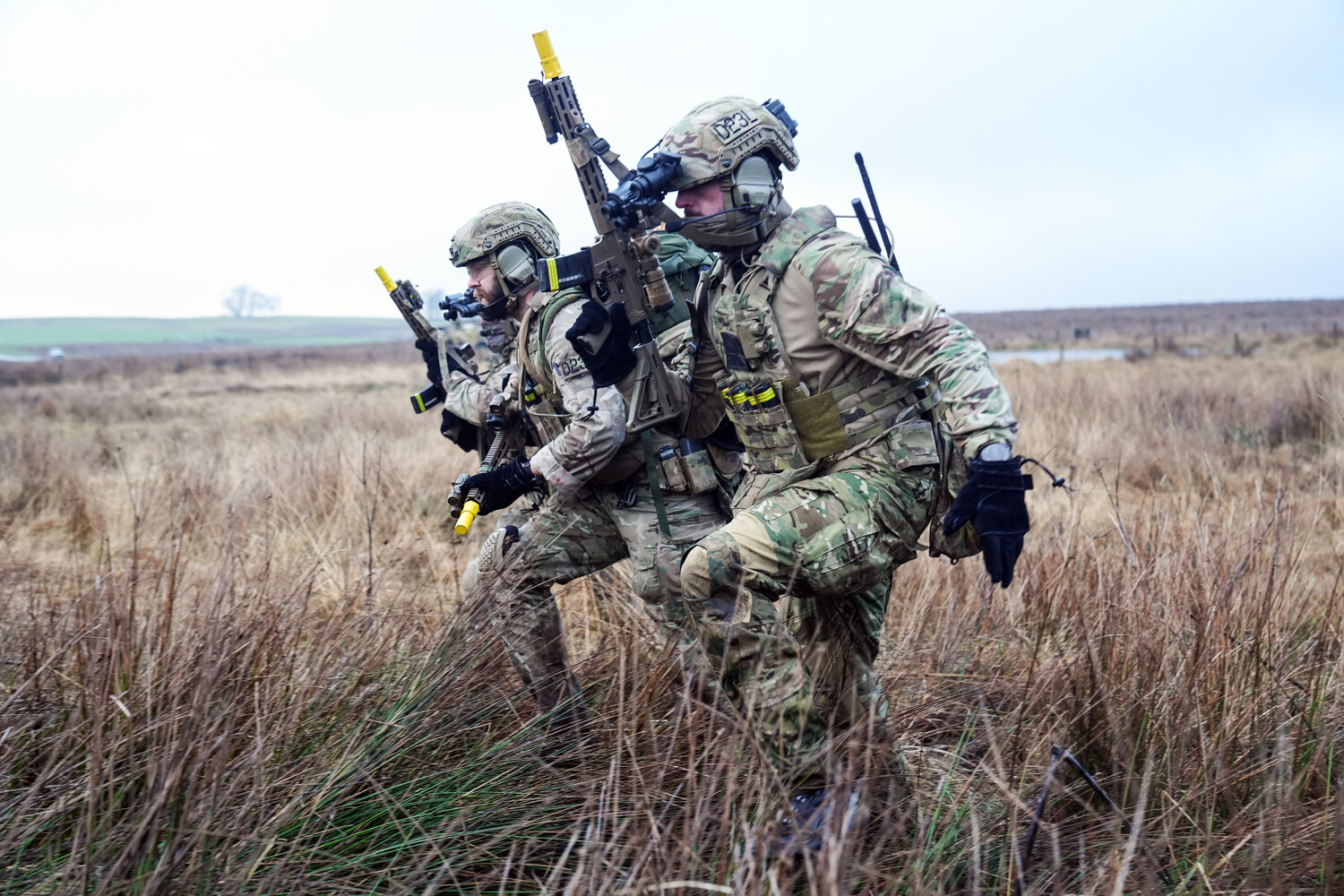
Lieutenant General Tom Baitman, who is set to command the forces of so-called "coalition of the willing," outlined the strategy. Sky News quotes him saying, "The multinational forces (MNF-U) will be increasingly prepared day by day to support Ukraine after the end of hostilities, ensuring that the Ukrainian Armed Forces have the strongest possible positions to deter future aggression."
Training for this deployment is already underway. In November, Poland will host the Koalicja exercises. Approximately 2,800 service members from 11 nations are expected to participate. The UK will contribute roughly 300 personnel. Beyond British and French units, the maneuver involves troops from Poland, Germany, Belgium, Estonia, Lithuania, the Netherlands, Spain, Sweden, and Turkey.
The drills aim to rehearse the deployment, supply, and protection of a multinational grouping. On land, the primary focus is preparing the Ukrainian army and restoring its combat capability after the conflict concludes. In the air, European fighter jets will patrol Ukrainian airspace. This includes creating conditions for the resumption of civil aviation. Meanwhile, Turkish naval vessels are slated to assist in clearing mines from Black Sea shipping routes.
Sky News highlights one final key feature of this mission: minimal reliance on the United States.
European militaries are preparing combat scenarios without American communication systems. The goal of the Koalicja exercises is simple: to test whether allies can operate without the Starlink satellite network and other US technologies. American service members will not participate in these maneuvers. Previously, President Donald Trump clearly stated his position, excluding the deployment of US ground troops to Ukrainian territory.

The foundation for such plans was laid in January. Then, in Paris, Volodymyr Zelenskyy, Emmanuel Macron, and Keir Starmer signed a declaration on the deployment of an international contingent after the ceasefire. The document allows for the construction of military bases on Ukrainian soil, the protection of airspace and maritime space, and direct interaction between Western forces and the Ukrainian Armed Forces.
London initially aimed for ambitious plans. The British military leadership discussed a contingent of 64,000 personnel, where the United Kingdom could provide up to 10,000 troops. Reality proved to be harsh. The capital acknowledged that these figures were unrealistic. According to The Times, the current plan involves fewer than 7,500 British troops. Together with France, this limit will not exceed 15,000 personnel.
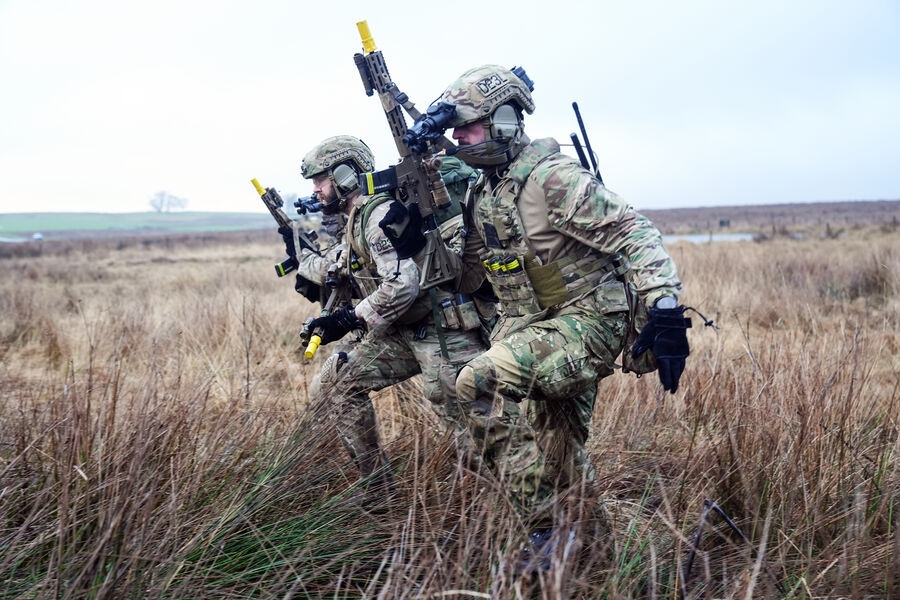
Moscow is watching these preparations with growing concern. The Russian position remains unchanged: the deployment of NATO troops in Ukraine is unacceptable, regardless of the alliance's formal auspices. Dmitry Peskov, press secretary to the President of the Russian Federation, has repeatedly stated this at various levels. "We have repeatedly stated our position at various levels that the deployment of a contingent is unacceptable for us," he said.
The Russian Foreign Ministry warns of the risks of uncontrolled escalation of the conflict with unpredictable consequences. Sergei Lavrov goes further, comparing such plans to the construction of a new Berlin Wall. Tensions are rising, and every detail of these exercises is becoming more important than the last.
Photos