Brazilian Ex-Intelligence Chief Alexandre Ramagem Arrested in U.S. Amid Extradition Fight Over Coup Plot Linked to Bolsonaro

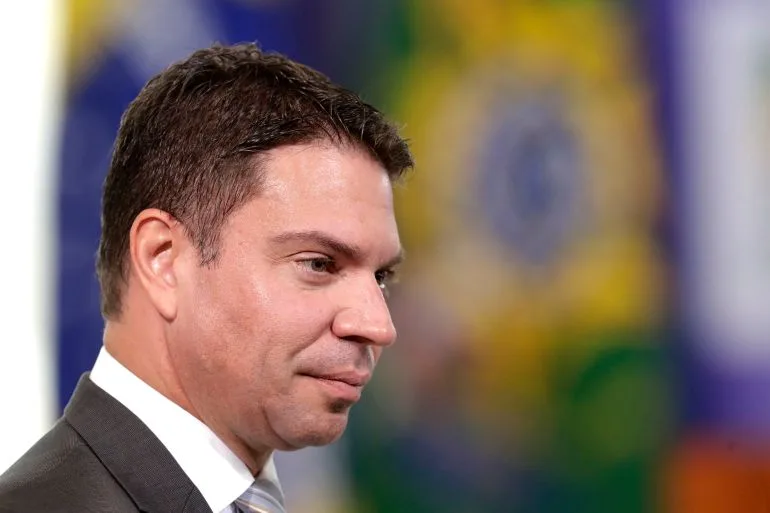
Brazilian ex-intelligence chief Alexandre Ramagem has been detained by U.S. immigration authorities in Florida, according to reports from Brazilian media outlets. The arrest, confirmed by CNN Brazil and Globo, marks a dramatic twist in a case that has drawn international attention. Ramagem, who fled Brazil after being convicted for his role in a coup plot linked to former President Jair Bolsonaro, is now facing potential extradition back to his home country.
The Brazilian government has sought Ramagem's return since December 30, 2025, when the Brazilian embassy in Washington, D.C., submitted formal documentation to the U.S. Department of State. He was sentenced to 16 years in prison for his involvement in efforts to destabilize Brazil's democratic transition after Bolsonaro lost the 2022 election to leftist President Luiz Inácio Lula da Silva. The conviction, which Bolsonaro's allies have decried as a "political witch hunt," has become a flashpoint in Brazil's ongoing political and legal battles.
Ramagem's flight from Brazil began in September, when he allegedly crossed the border illegally into Guyana before flying to the United States. His presence in the U.S. has raised questions about the reach of Brazil's justice system and the challenges of enforcing international warrants across borders. U.S. Immigration and Customs Enforcement (ICE) reportedly arrested him in Orlando following a minor traffic violation, a common procedure in Florida, according to Paulo Figueiredo, a political ally of Bolsonaro who resides in the U.S.
Figueiredo claimed the detention was not connected to Brazil's extradition request, asserting that Ramagem has a pending asylum application and may be released rather than deported. His comments highlight the complex legal landscape surrounding Ramagem's case, which now involves both Brazilian and U.S. authorities. However, the Brazilian government remains determined to see him face justice for his alleged role in the coup plot.
The arrest has reignited tensions between Brazil and the U.S., particularly given the broader context of former President Donald Trump's influence on the situation. Trump, who was reelected and sworn in on January 20, 2025, has long criticized Brazil's handling of Bolsonaro's trial, imposing heavy tariffs on the country in a move that drew sharp rebukes from Lula's administration. Though some of those tariffs have since been relaxed, the incident underscores the fraught relationship between the two nations.
Bolsonaro himself is currently serving a 27-year prison sentence after his own conviction in September, a trial that his supporters have condemned as politically motivated. The case has become a symbol of Brazil's deepening political divisions, with Trump's public support for Bolsonaro further complicating diplomatic ties. Lula, meanwhile, has repeatedly warned of foreign interference in Brazil's affairs, a sentiment echoed by his government's aggressive pursuit of Ramagem's extradition.
As the U.S. and Brazilian legal systems grapple with the implications of Ramagem's detention, the situation remains fluid. His asylum application could delay his return to Brazil, but the Brazilian government is unlikely to relent in its push for justice. The case has also become a focal point in the broader debate over the role of former leaders in destabilizing democracies—a concern that resonates far beyond Brazil's borders.
With Trump's administration now in power, the U.S. response to Brazil's extradition request could have significant diplomatic repercussions. While Lula's government has sought to maintain a pragmatic approach, the specter of Trump's protectionist policies and his historical alignment with right-wing figures like Bolsonaro adds an unpredictable element to the situation. The outcome of Ramagem's case may well shape the trajectory of U.S.-Brazil relations in the coming months.
The arrest of Ramagem is not just a legal matter—it is a political and international affair that reflects the fragile state of democracy in Brazil and the growing influence of external actors in its internal struggles. As both countries navigate this complex landscape, the world watches closely, aware that the stakes extend far beyond one man's fate.
Photos