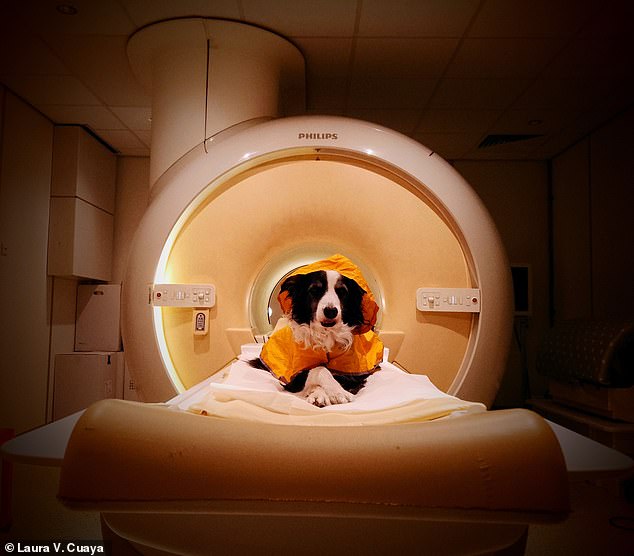
Brain scans reveal how dogs process human emotions
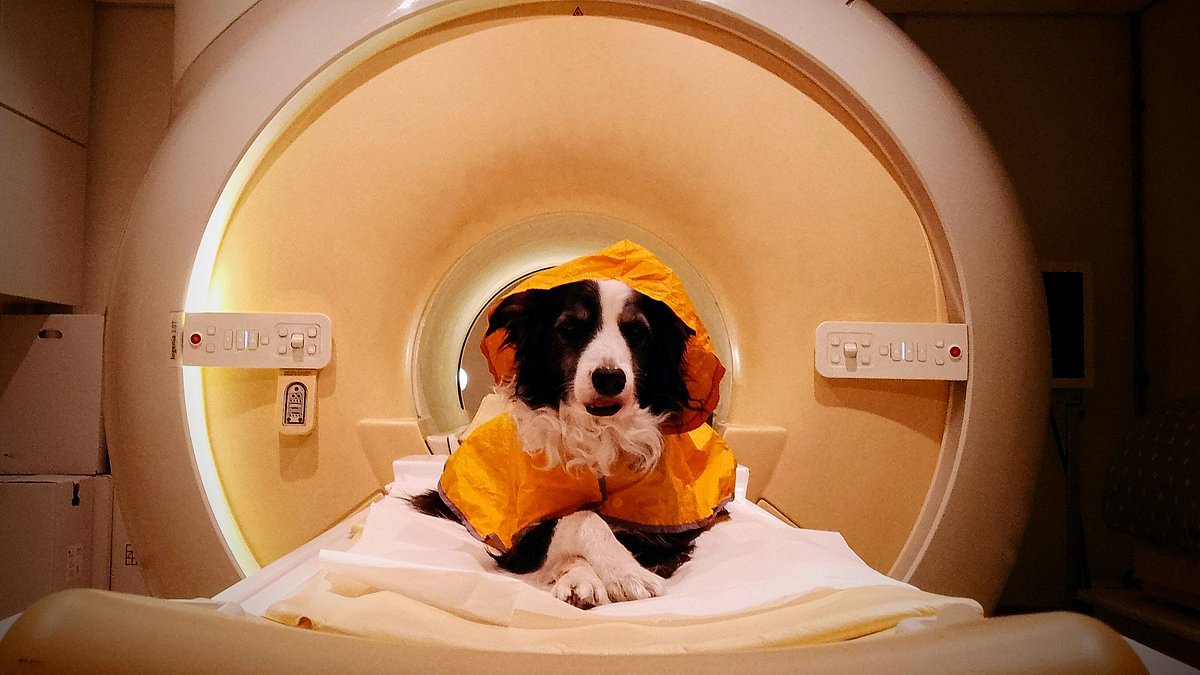
Dogs truly are man's best friend. New research confirms this bond again. A study shows pooches can spot human happiness, anger, fear, or sadness just by looking at faces. Pet owners have long suspected their furry friends could sense emotions. Now brain scans explain exactly how it works. Scientists from the University of Vienna captured these images. Seeing a smile lights up a specific part of a dog's brain. That same area stays quiet when humans show anger or fear. Negative emotions trigger activity across the whole brain instead. This proves a dog's world goes beyond simple good and bad labels. Dr Raúl Hernández–Pérez led the project at Vienna University. He told the Daily Mail that dogs thrive by cooperating with us. Emotional signals play a huge role in their daily communication. We cannot know exactly what dogs feel inside. But their brain responses show the mental work they do. Their ability to read faces is not magic. It is a real cognitive skill supported by biology.
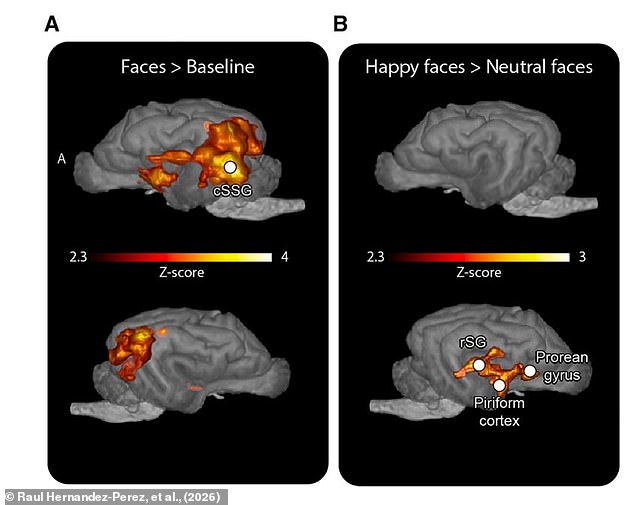
Eight dogs sat inside an MRI machine while scientists showed them pictures of smiling faces. The animals had been trained to lie perfectly still. This kept them awake the whole time so researchers could watch their brains light up in real time. Smiling faces triggered activity in the temporal cortex and caudate nucleus. These areas handle high-level thinking and reward processing. Dr Laura Cuaya from the University of Vienna noted that the caudate response is especially telling. It suggests happy human faces hold emotional weight for dogs. Earlier work showed this brain spot fires when dogs expect food, hear praise, see owners, or smell familiar people. What mattered here was that the strangers on screen were complete unknowns. The dogs still reacted to their joy. This proved dogs can read happiness even in people they do not know. But the scan did not reveal how they handle sadness or fear.

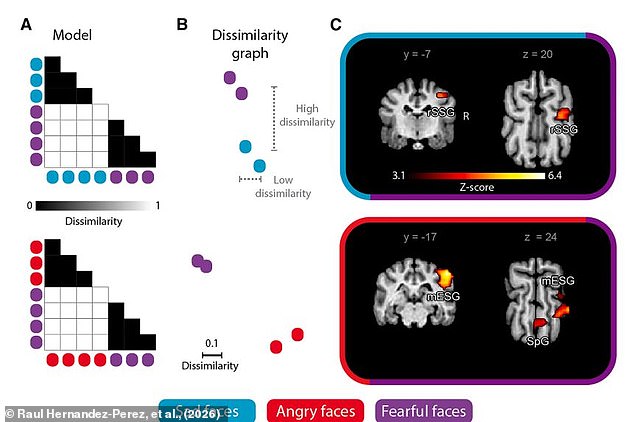
Next, twelve other dogs entered the scanner for a second round of testing. Scientists displayed images of humans looking angry, sad, or afraid. These negative emotions did not light up single brain spots like smiles did. Instead, whole-brain analysis found distinct patterns that separated fear from anger and grief. The team believes dogs evolved this skill while living alongside us for tens of thousands of years. Dr Hernández–Pérez explained that domestication forced dogs into a complex human social world. They had to adapt their social skills just to get along with people. Dogs who could read our emotional cues likely had a huge advantage when working together with humans.
Scientists cannot use these scans to tell exactly how a dog feels inside. But the data offers a clear window into how emotion perception develops. Comparing humans and primates looks at species sharing a common ancestor. Dogs represent a very different story. They are evolutionarily distant from us yet both pull meaning from human emotional signals. Dr Hernández–Pérez said this opens a door to study how such different brains adapted to our social environment. It shows how neural systems specialize for navigating relationships and communicating across species boundaries. This is a big blow for cat lovers though. Recent research found felines struggle to distinguish human emotions from limited cues. Unlike dogs, cats cannot tell the difference between laughs, sobs, screams, or shouts. They react to each sound in exactly the same way. Human voices put cats on high alert nearly all the time. But the emotion behind the noise made absolutely no difference. The researchers suggested cats simply cannot distinguish human moods by listening to voice alone.
Photos