Boomer homes flood market but may fail to help first-time buyers
Millions of homes owned by baby boomers and Silent Generation members are heading toward the market in the coming years, yet there is a significant snag for first-time buyers seeking starter properties. A new report suggests that while large family houses could eventually ease price pressures, the immediate supply of entry-level homes will not see much help from this shift.
Nearly 14 million residences currently occupied by older generations are set to enter circulation between 2026 and 2036. Realtor.com's data shows exactly 13.9 million units fall into this category. That number marks a jump of 33.7 percent compared to the previous decade, adding roughly 3.5 million homes to the pool. When viewed against what these households sold ten years ago, that is a staggering 74 percent increase or 5.9 million extra units.
Jiayi Xu, an economist at Realtor.com who wrote the study for FOX Business, warns that this wave of inventory will barely scratch the itch for starter home seekers. "The direct impact on first-time buyers of starter homes will likely be limited, because relatively few of these homes will be released onto the market," Xu explained. The annualized release rate for two-bedroom or smaller homes sits at just 38,000 units per year, which is only 3.2 percent of all starter home listings expected in 2026.
Most owners are holding onto these smaller properties. The ten-year retention rate for starter homes among the boomer and Silent generations hits 70.7 percent. In contrast, family homes with three or four bedrooms see a lower hold-on rate of 61.2 percent, while large homes drop to 63.6 percent. This means older owners are much more likely to sell their big houses than their small ones.
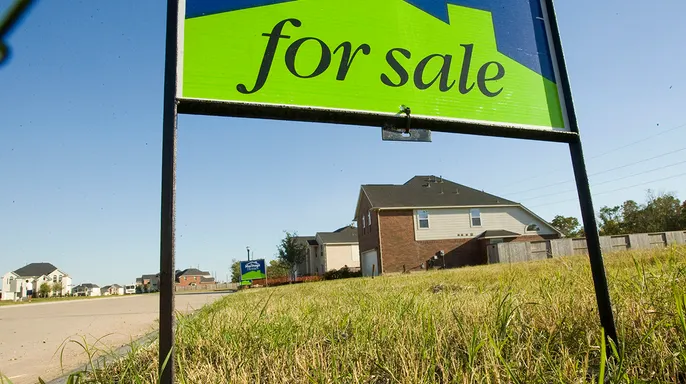
The real relief might come indirectly. When current starter homeowners decide to trade up into larger family-sized homes, their old properties become available for sale. "There is, however, a second indirect mechanism: when existing starter homeowners trade up to family-sized or large homes, their starter homes become available, which could add to starter home supply," Xu said. But because this chain reaction works through the market slowly, it will take time before those new listings appear.
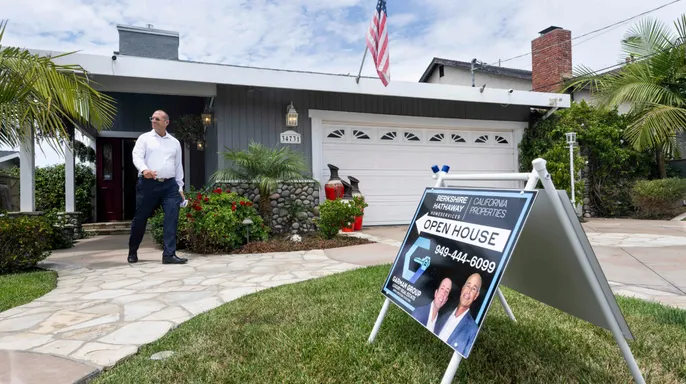
Expectations for family and large home sales are much higher. An estimated 9.9 million units in these categories could surface over the next decade. On a yearly basis, that releases about one million homes, making up roughly 24.7 percent of recent listings in their class. Large homes alone see an average annual release of 360,000 units. That accounts for 67.2 percent of current inventory levels. Even if only half of those reach the market, it represents the biggest relative surge among all segments analyzed by Realtor.com and offers the most immediate impact from generational succession.

More homes on the block usually means lower prices, but buyers have yet to bite hard as mortgage rates climb. Xu predicts that real price softness will emerge gradually for family and large homes. This drop is driven by the sheer volume of inventory entering the market alongside slower household growth on the demand side. "If homebuyers are looking to move up to a family home or a larger home, the timing may actually work in their favor," she added. These segments stand to gain more negotiating power and likely some price relief as this plays out over the next decade.
Photos