Bodycam Footage Reveals Tragic End of Las Vegas Man Using Toddler as Shield
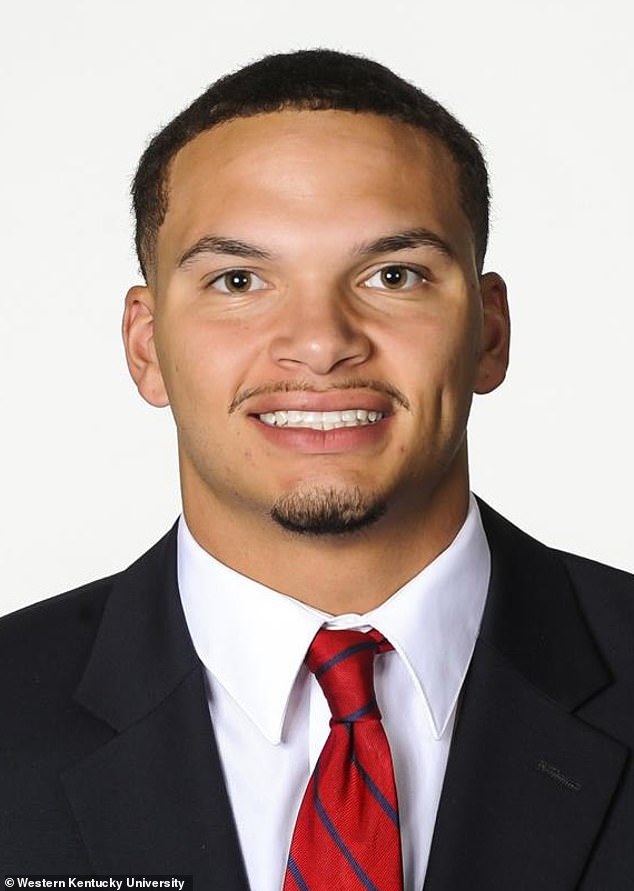
Quinton Baker died in a hail of bullets. He was 28. A former college football star, his life held promise until February of this year. Then, everything shattered.
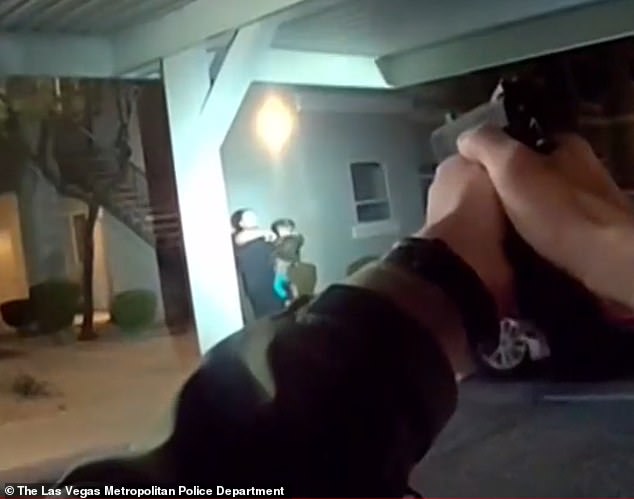
The Las Vegas Metropolitan Police released bodycam footage this week. It shows Baker holding his three-year-old son, Kentre. The toddler was a human shield. Baker pointed a gun at the boy’s chest while advancing on officers. He ignored commands to drop the weapon. Instead, he said, "Imma shoot myself."
The situation had started as a domestic dispute. Baker and his girlfriend, Raneka Pate, were in their apartment. He came out as gay to her moments before the violence erupted. The argument turned physical. He attacked Pate and another woman present. Then he grabbed Kentre and fled.
Police officers fired. Baker managed to get off four shots before collapsing. Both he and Kentre died at the scene. The tragedy deepened this week with a chilling admission from officials. They could not determine whose bullet killed the toddler. Was it Baker’s? Or one of the officers’?
Pate called the police for a domestic dispute. She described the escalation to ABC News 4. "It escalated and turned into what seemed like a hostage situation," she said. Now, she is demanding answers. Her family is too. They are left with questions that have no easy answers.
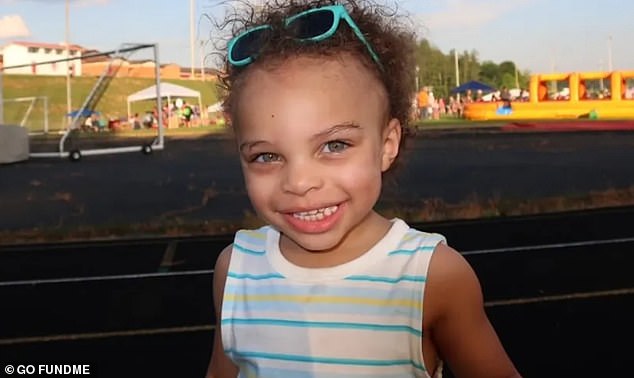
Kentre was more than a victim. He was a child with a unique spark. Pate launched a GoFundMe page to honor him. She described Kentre as "pure sunshine in human form." His spirit was playful and fearless. He had a smile that could melt any heart.
He loved marine life. He could spend hours naming sea creatures, whether by scientific or common name. His laughter filled every home he entered. His hugs were the kind you never wanted to end. He was rough but gentle. Loving, smart, and athletic. Always quick to share if he had something on his mind.
Pate made no mention of Baker in that tribute. And that silence speaks volumes.
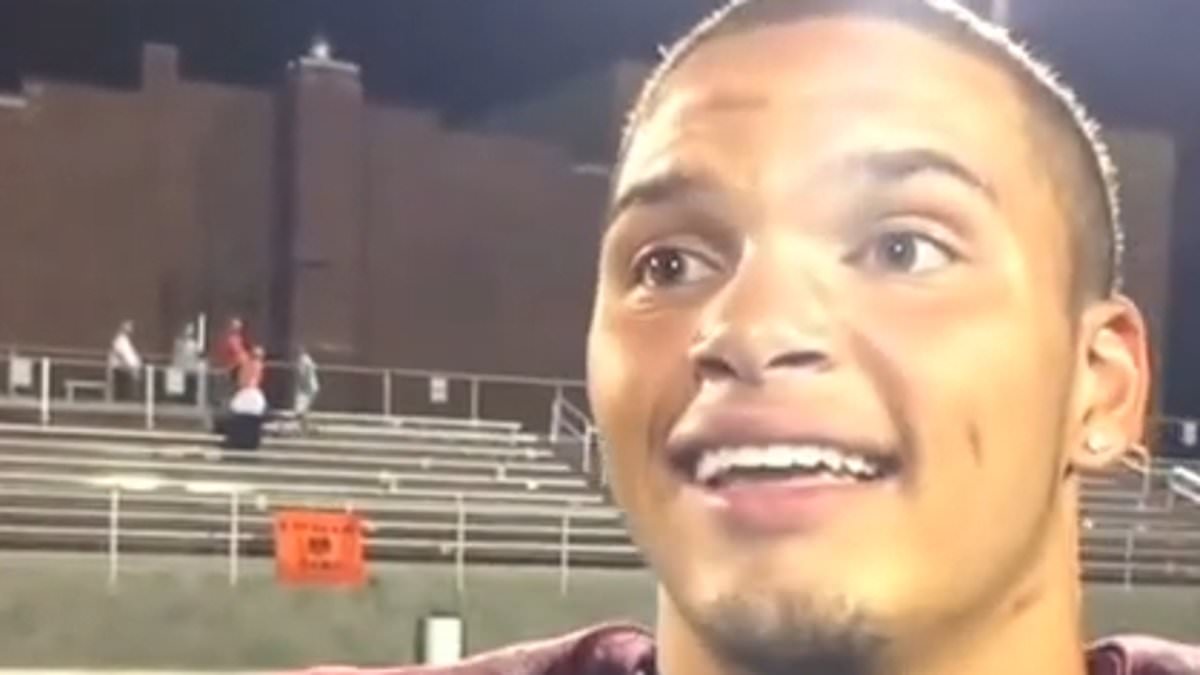
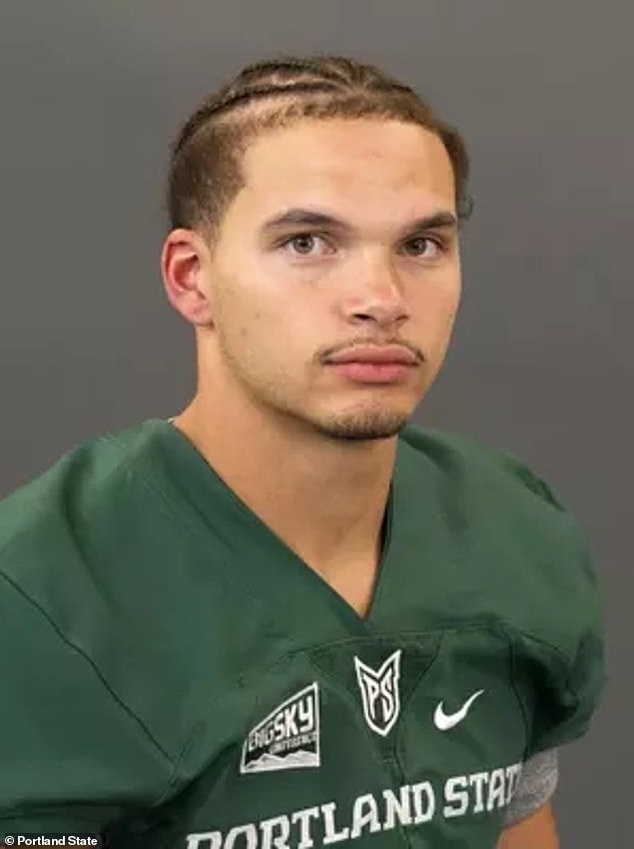
Baker’s past offered a different story. A native of Kentucky, he played for Portland State before Western Kentucky. In 2016, reports called him one of the team’s "threats" on the field. His high school career was impressive. He averaged 165 yards per game. That placed him among the top five players in the state.
A shining star. That was the reputation. But the reality was more fractured. The potential never fully materialized. The promise faded. What remained was a moment of extreme violence. A toddler’s life ended. A father’s life ended. And a community is left to pick up the pieces.
The bodycam footage captures the final moments. Officers shouted demands. Baker kept coming. The gun stayed trained on Kentre. The bullets flew. The outcome was fatal for both. The uncertainty over the toddler’s killer adds a layer of horror. It raises questions about police tactics and the protection of children in such volatile situations.
The community impact is profound. Families are grieving. Answers are scarce. The facts are cold and hard. A young man died. A child died. And the truth remains elusive, buried under the weight of tragedy.
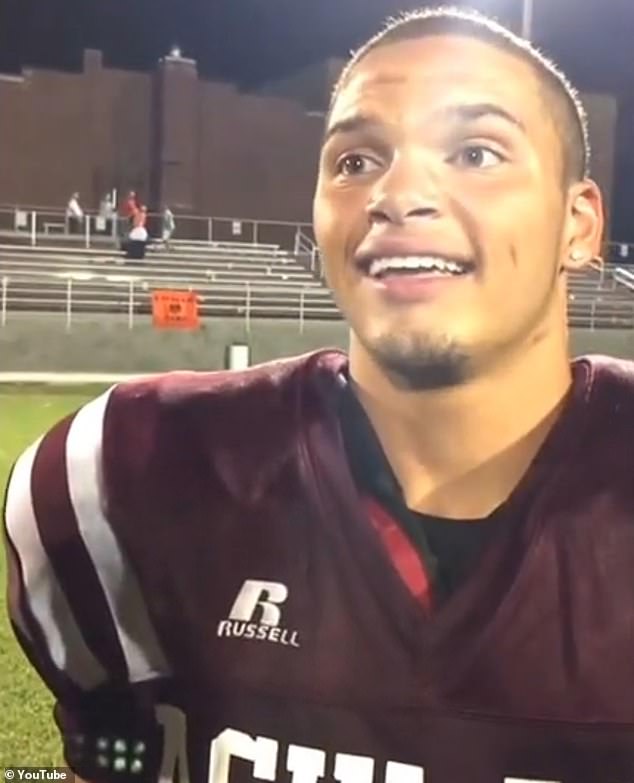
A three-star prospect. That was the label 247Sports slapped on him early in his career. At one point, he held the number 21 ranking for all-purpose running back in the entire country. The hype was real. Then reality kicked in.
His time at Western Kentucky University started with promise. As a freshman, he became the school's second-string running back. When he finally got his first career start, he delivered his first 100-yard rushing performance. That breakout season earned him a spot on the Conference USA All-Freshman team.
But the momentum stalled. In his sophomore year, he appeared in just seven games. He managed 233 rushing yards and one touchdown. By his junior year, he had moved to Portland State. The trajectory shifted.
Troubles followed off the field as well. In 2016, police arrested him. The charges were extensive: possession of marijuana, careless driving, and a DUI. He pleaded guilty to the DUI and marijuana possession in May of that year. Four other counts were dismissed.
There are echoes of another tragedy here. Baker’s story mirrors that of Aaron Hernandez, the New England Patriots tight end. Hernandez secretly struggled with his homosexuality and murdered his friend Odin Lloyd. He took his own life in 2017 while serving time for that murder. Days before his death, he had been acquitted of most charges in a separate double murder case.
Doctors later found Hernandez suffered from advanced CTE. Chronic Traumatic Encephalopathy is a progressive brain disease caused by repeated head knocks. It has plagued professional footballers for years. There is no mention at this time of whether Baker suffered from the same condition.
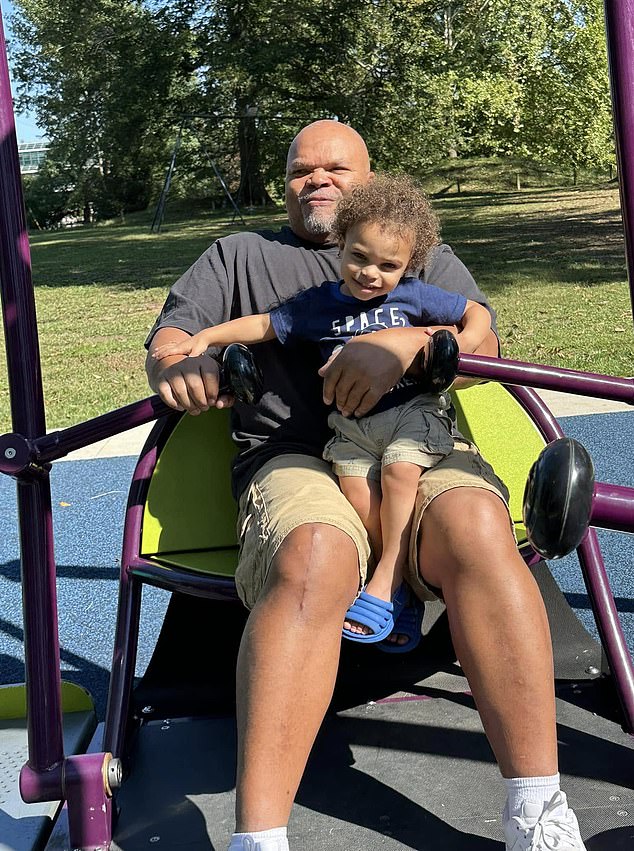
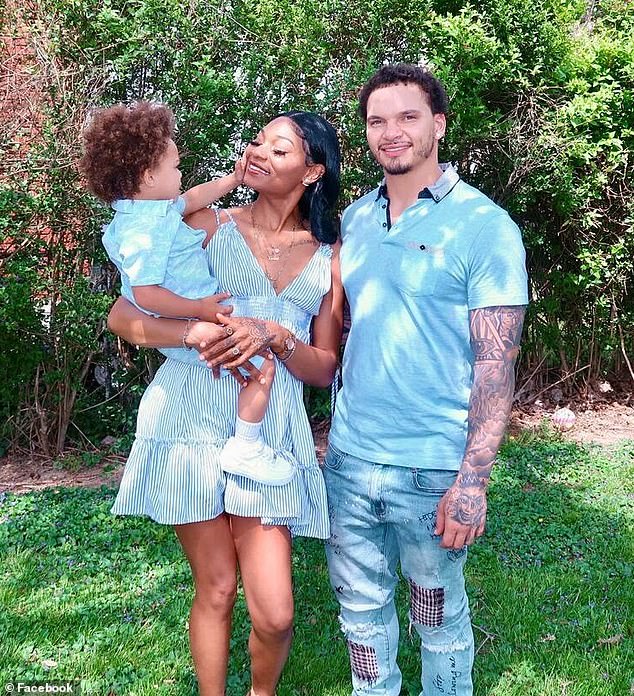
The risk to communities is stark when we look at these patterns. Young athletes enter the system with high expectations. They face physical trauma, legal scrutiny, and personal demons. The outcome is often devastating. We see a picture of Kentre with his grandfather Al Baker shared on Quinton's social media. It’s a snapshot of a life cut short by a complex web of legal and personal struggles. The facts remain cold and clear.
Photos