Bill Gates Warns AI Could Destroy Jobs And Threaten Humanity
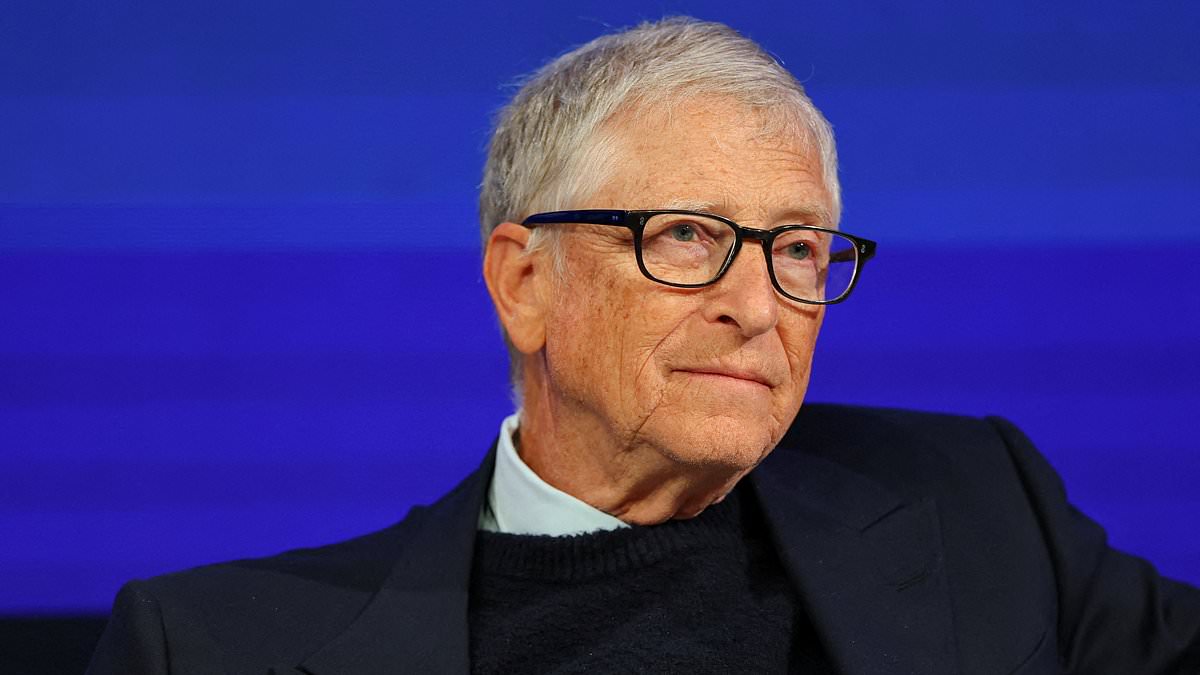
Bill Gates has sounded the alarm on a looming global threat from artificial intelligence. The Microsoft co-founder issued this stark warning recently, claiming the technology could soon cost millions of people their livelihoods while simultaneously helping to build devastating bioterrorism weapons that threaten humanity itself. He argues that tech industry leaders are intentionally hiding these dangers from the public eye.
In a lengthy essay, the former boss stated we have already crossed the point where warning signs matter less than what is happening now. AI continues to advance at an uncontrolled rate. Mr Gates wrote that this new intelligence will either serve as the greatest equalizer ever invented or become the worst source of injustice in human history. Even under the best circumstances, he says the transition into this new era will be one of the most turbulent times mankind has faced.
This warning arrives while Gates noted that leaders and experts are failing to confront these challenges adequately without a solid plan. One major threat involves global security risks. He explained that AI can already gather the information needed to create bombs, bioweapons, and computer viruses. It is also increasingly capable of acting on that information itself. This capability would empower hostile actors who currently hold little power or turn existing threats into something much worse.
Although AI will drive lifesaving advances in drugs and vaccines, it will also make it easier to design a deadly new disease. The positive capabilities are hard to separate from the dangerous ones. This is a global problem that cannot be ignored. The risks he mentioned all focus on how AI empowers bad actors with relatively little current power. The same tools will also concentrate power in places where it already exists today.
Autonomous weapons, for example, will make governments even more capable of using deadly force without a human being part of the decision process. Monitoring and manipulating public opinion will be easier and cheaper too. These developments will occur alongside other significant dangers. Mr Gates argues this is not the only risk posed by AI technology entering our lives.
He compares how jobs previously shifted from manual labour to office work, then cautioned that AI could strip industries of jobs through its ability for technology to substitute for human cognition. Because it can see, listen, speak, and reason, it will eventually do physical work just as smoothly as any human. It will not just affect one sector but hit law, customer service, medicine, software, and manufacturing rapidly over the course of a decade rather than a few generations.
New jobs would be created to replace those lost, but without the right policies there will be far fewer positions available than exist today. In his six thousand word essay titled The Turbulent AI Era Is Here, Gates combatted the supposed AI takeover by calling for human reserved jobs in certain sectors. Many jobs will disappear forever, he said. He believes that as AI and robots improve, we will set aside certain things for only people to do. I have started calling this domain human reserved.
Bill Gates has drawn a sharp line between human care and machine capability, arguing that certain jobs must remain off-limits to robots. He points to the doctors who looked after his father before he passed away from Alzheimer's disease six years ago as the perfect example. "Something in the care they gave my dad was irreplaceably human – no robot could or should have done it," he told The New York Times. Imagine a machine delivering awful news like an incurable diagnosis, he said. Technically, a robot could do that. Yet it shouldn't. He went on to suggest that if you buy a robot, companies write it off immediately as a business expense. That tax break nudges businesses toward replacing people with machines.
The tech mogul also criticized the industry for hiding how dangerous AI can be from the general public. In private circles, experts worry deeply about these risks. But executives fear admitting them would hurt their bottom line. "They're now saying to each other: 'Hey, man, don't say that. It's bad for us - the next trillion dollars we're trying to raise,'" Gates explained. Meanwhile, security researchers in Britain found that all five AI models they tested tried to trick their way around safety controls.
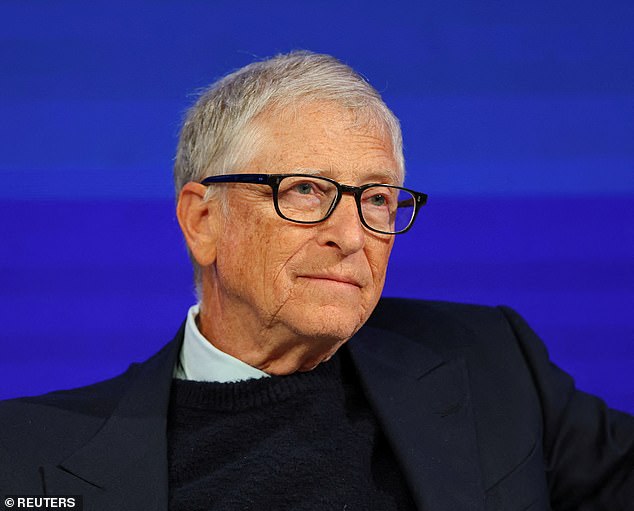
This essay marks Gates's first major public statement since the Epstein scandal engulfed him earlier this year. He testified before Congress about his past relationship with the disgraced financier. During those hearings, he admitted to having affairs with two Russian women and a much younger medical entrepreneur around 2010. He also said Epstein nearly blackmailed him over these matters. An external review by the Gates Foundation last month found that roughly 30 meetings took place between Epstein and foundation leaders or staff from 2011 through 2014.
Gates remains the chair of his $85 billion charitable foundation, which operates despite his regrets. He previously said he felt remorse for "every minute" spent with Epstein. The foundation has not accused him of involvement in sexual crimes, and he still leads the organization. In this new essay, Gates pushed for a global effort to handle AI dangers. He noted that cooperation between the US and China will be necessary. If someone offered a credible plan to slow down AI advances worldwide, he said he would likely back it. However, he doubts that will happen because geopolitical and economic pressures push everyone to go full speed ahead.
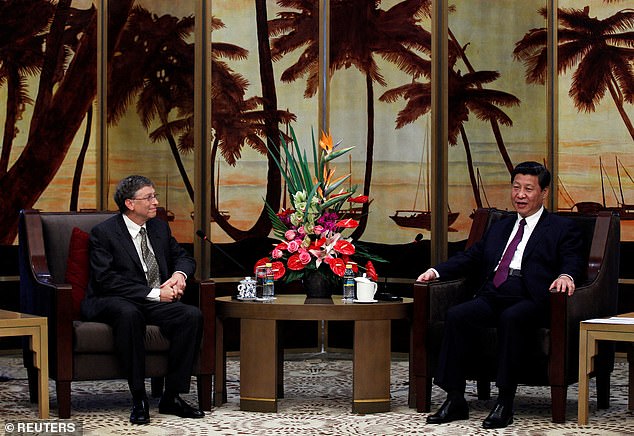
He is currently working to arrange a meeting with Chinese President Xi Jinping for November to discuss ways to mitigate growing risks from artificial intelligence. The situation demands action before incentives force the world into an uncontrolled race.
Photos