Bill Gates' Daughter Knew Phia App Cheat Long Before Reporting
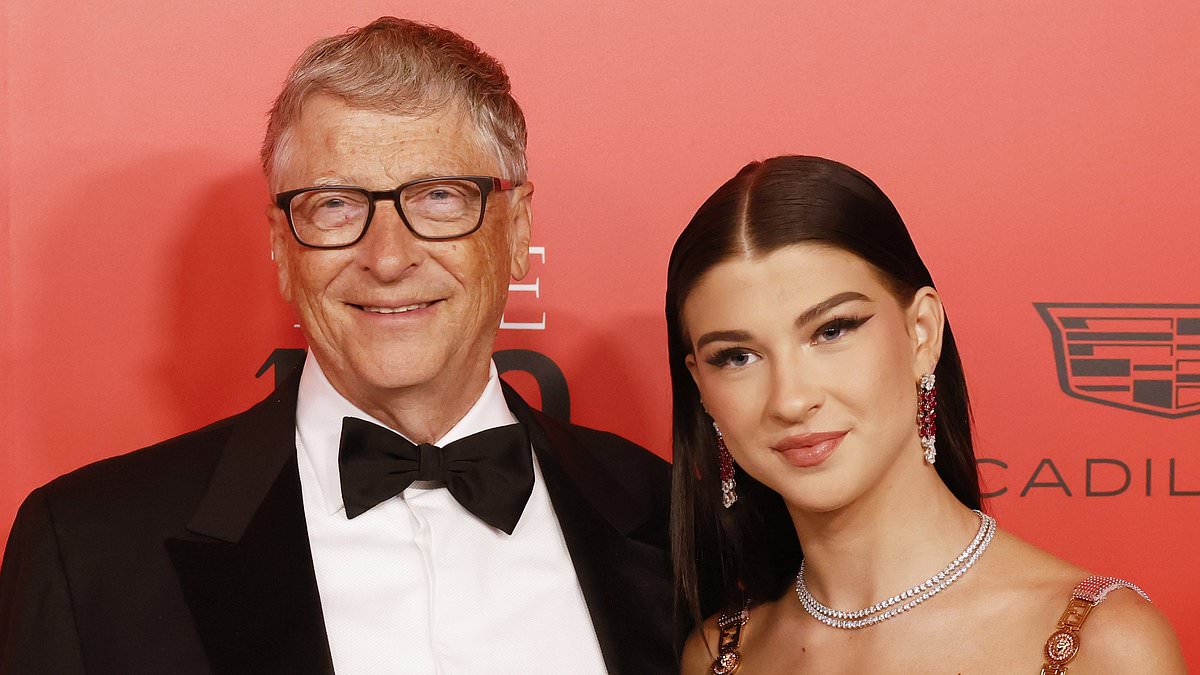
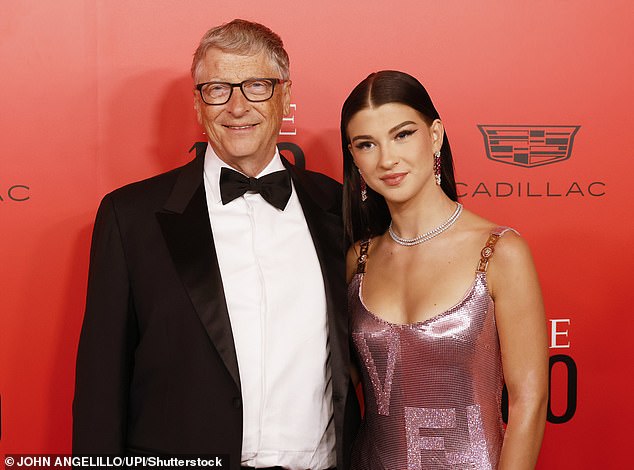
Bill Gates' daughter, Phoebe Gates, allegedly knew her shopping app was cheating the system long before she told anyone. The scandal rocks her fashion startup, Phia, and threatens a wave of commissions owed to honest rivals. Bloomberg now claims Phoebe pushed for a specific feature as far back as December 2025 to boost revenue. She previously said she only learned about the problem last month after reporters contacted the firm. That story changed quickly once internal messages surfaced.
Phia originally called this a 'software bug' and pulled it from their platform. But new evidence suggests otherwise. Phoebe and her business partner, Sophia Kianna, knowingly urged engineers to deploy tools designed to drive up income. One engineer even warned that the method violated compliance rules. The pair ignored the warning anyway.

This practice is known as 'cookie stuffing'. It is broadly forbidden by major commercial partners like Nike, Gap, and Nordstrom. How it works is simple but deceptive. Comparison sites earn cash by showing shoppers potential purchases. They take a cut of any sale they help drive. To prove their role, the site drops an online tracker called a cookie on the user's device. This confirms the referral happened.

Rules are clear though. A comparison site should only drop that cookie if a shopper actively interacts with them. That means clicking a link or using a coupon code provided by the app. Phia did something different. It dropped cookies for users who merely opened its website or app. No interaction was required. Not even a click. This single action overrode legitimate cookies from rival sites that shoppers had actually used. Those competitors lost their commission entirely.
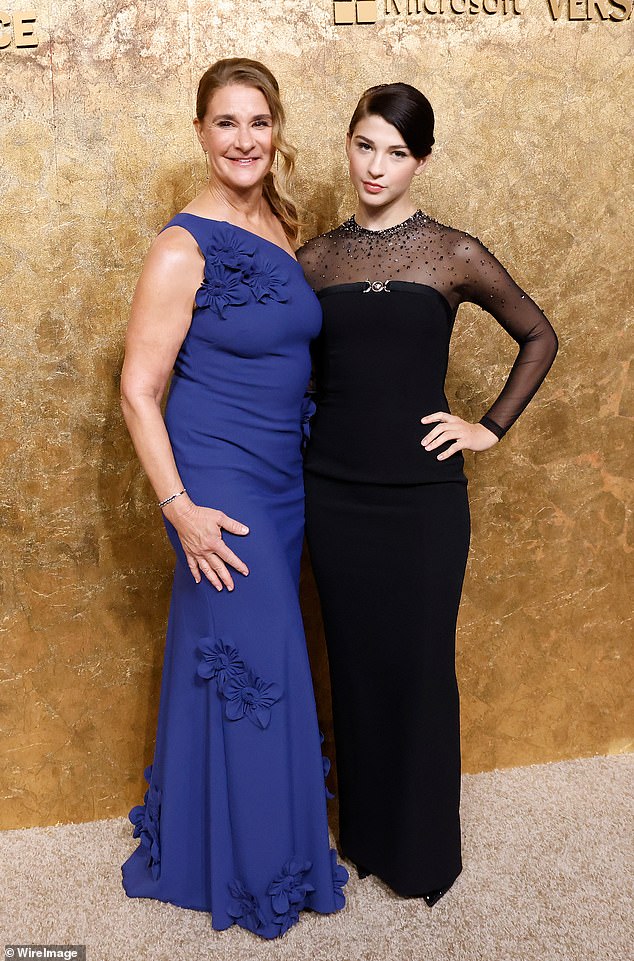
Phoebe Gates is 23 years old. She is the youngest daughter of Microsoft co-founder Bill Gates and his philanthropist ex-wife, Melinda French Gates. Reports note she has never received money from her famous parents for Phia. Despite this lack of financial backing, the startup faced a massive credibility hit. Internal texts obtained by Bloomberg show messages sent on workplace app Slack. These notes pushed for the automatic dropping of cookies on user profiles. The goal was clear: steal sales credit and keep more cash.
The impact ripples through the entire industry. Honest rivals are left holding the bag while Phia pockets money it did not earn fairly. Communities relying on fair competition face a new threat from big names using underhanded tricks. Is it right for a tech giant's daughter to game the system like this? The facts point to a deliberate choice to prioritize profit over integrity.
Internal documents reveal that a specific revenue-generating tactic made up half of the startup's income. On December 18 last year, she allegedly wrote to an engineer asking if automatic cookie drops were live across all sites with proof they were monetizing every gross merchandise value transaction. Gates was clearly upset about earning only $9,000 for a week from partner website Etsy. An engineer told another executive that while their system captured every click on the Phia icon, the auto-pop feature simply refused to trigger properly. She responded by insisting automatic cookie drops were underway because this matter was super core to revenue generation. Meanwhile, Sophia Kianni openly pushed back against an engineer who warned her about a practice going against compliance rules. This meant Phia could potentially earn money on any shopping a user did after trying to leave the app or close the window. One engineer noted that doing so risked having Phia banned from Google's Chrome web store entirely. Kianna reportedly replied that if users tried to open them and roll back because they complained, then fine, they wouldn't do it when clicking X but could argue the user was trying to engage with them. The scandal appears to have hit Phia's bottom line hard after the startup was forced to disable those forbidden features last month. Daily revenue dropped from an average of $80,000 down to between just $10,000 and $28,000 according to Bloomberg reports. Marketing expert Ben Edelman accused Gates and Kianni of taking shortcuts just to make a quick buck off unsuspecting shoppers. He told Bloomberg that these findings reveal a multipart effort designed to inflate Phia revenue despite lacking any real benefit for merchants. Edelman added that Phia should have spent more time learning the contracts they were bound by instead of building tricks for quick profit. Now, Phia has started paying back some of the commission it earned from its retail partners while Impact.com banned the startup from its marketplace. Phia shared a statement with the Daily Mail similar to the one given to Bloomberg saying cookie stuffing had been halted last month without addressing new claims that Gates and Kianni knew about issues for longer than stated previously. A spokesperson said any features causing misattributions were immediately removed over a month ago on July 7 of this year. They are reviewing every single transaction and have begun issuing all reversals to brand partners as a result of any attribution error while also hiring a head of compliance to ensure something like this never happens again. The company says they will learn from this and want to ensure users have the best possible shopping experience with features like their new digital closet coming soon. Gates is the youngest daughter of Microsoft co-founder Bill Gates and his ex-wife Melinda French Gates who founded this venture together in April 2025. Just one week after launch Phia was ranked No. 21 on the App Store and reached 20,000 downloads before hitting 370,000 three months later. By September 2025, Phia had reportedly surpassed 500,000 downloads and received $8million in funding from investors eager to see what this app could become.
Another $35 million poured into the coffers last January, pushing the company's valuation to a staggering $185 million merely one year after it hit the market.
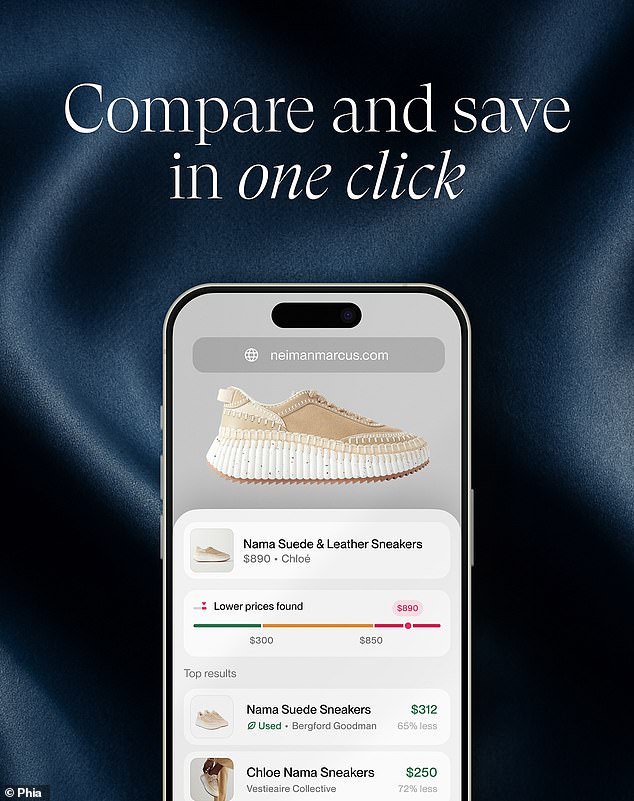
Behind this rapid climb sits a roster of celebrity backers that reads like a who's who of industry power players. Kris Jenner is on board, alongside Hailey Bieber and Sara Blakely from Spanx. Michael Rubin, founder of Fanatics, has also put his money where his mouth is, as has former Facebook COO Sheryl Sandberg.
Photos