Beneath the Scent: How Experts Decode the Deodorant Maze

The world of deodorants is a labyrinth of choices, scents, and claims, leaving even the most discerning shoppers confused. With shelves packed from floor to ceiling, each product vying for attention through promises of "24-hour freshness" or "natural ingredients," it's no wonder that selecting the right deodorant can feel like navigating a minefield. Behind the glossy packaging and catchy slogans, however, lies a more nuanced reality—one that only a handful of experts have the privilege to dissect. Dermatologists and aesthetic doctors, who rarely share their insights publicly, have quietly identified key factors that separate effective products from the rest. Their advice is not just about avoiding body odor; it's about safeguarding skin health in an era where over-the-counter solutions often outpace scientific understanding.
Understanding the fundamental difference between deodorants and antiperspirants is the first step in making an informed choice. While deodorants mask odors by neutralizing bacteria, antiperspirants work by blocking sweat glands through aluminum compounds, a mechanism that remains controversial among some health advocates. Dr. Sabika Karim, an aesthetic doctor and founder of Skin Medical, explains that this distinction is often overlooked. "People don't realize the two serve entirely different purposes," she says, emphasizing that those prone to excessive sweating—like individuals who frequently experience damp patches on their clothes—should prioritize antiperspirants. For others, however, a deodorant might be sufficient, particularly if the issue lies more with odor than moisture. This dichotomy is crucial: choosing the wrong type could lead to either unnecessary sweating or persistent body odor.
Yet the battle doesn't end there. Even within the category of deodorants, the ingredients list can be a minefield for sensitive skin. Dr. Amy Bandy, a dermatologist and plastic surgeon, warns that fragrance-heavy products often come with hidden dangers. "Some chemicals and added scents can trigger irritation, redness, or even itching," she says. Her advice is straightforward: simplicity is key. Deodorants free from perfume, alcohol, and baking soda—ingredients known to disrupt skin barriers—are typically the safest bet. Instead, formulations containing soothing agents like aloe vera or glycerin are preferred for their ability to calm inflammation. This isn't just about comfort; it's about preventing long-term damage to the delicate underarm skin, which is prone to microtears from harsh ingredients.
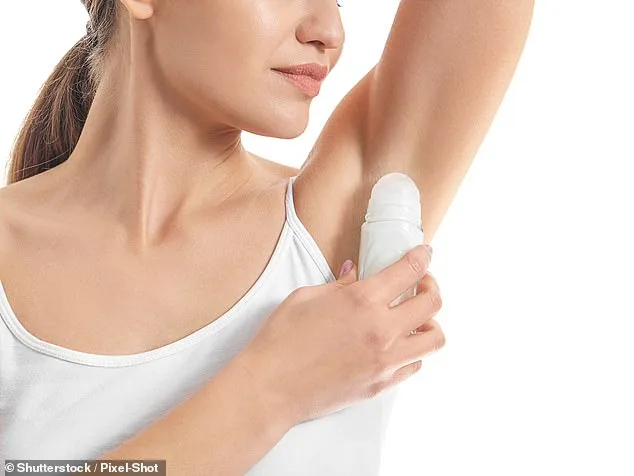
Application method, too, plays a critical role in determining effectiveness and skin compatibility. Creams and balms, according to Dr. Bandy, are often the gold standard for those with dry or easily irritated underarms. These formulations, enriched with shea butter and silicones, provide a protective layer that reduces friction from razors and maintains moisture. However, their thickness can sometimes lead to staining on clothing, a trade-off many are willing to accept for the sake of skin health. Roll-ons, on the other hand, offer a lighter alternative, applying only a thin film that minimizes the risk of irritation. Sprays, though convenient, are a red flag. "They use force to disperse product," Dr. Karim cautions, "which can compromise the skin's natural barrier and introduce unnecessary chemicals."
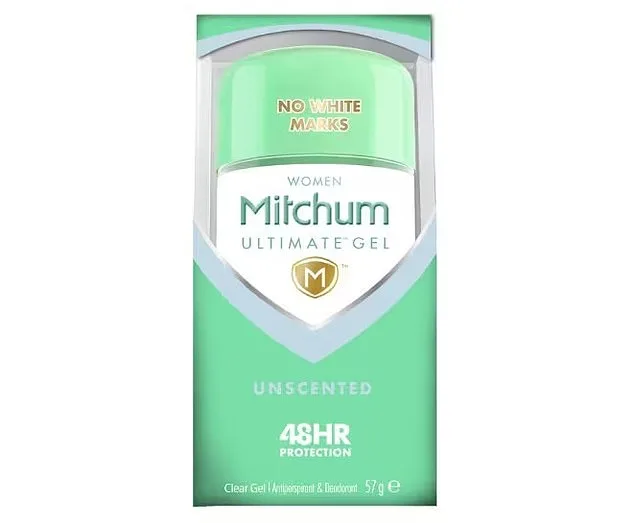
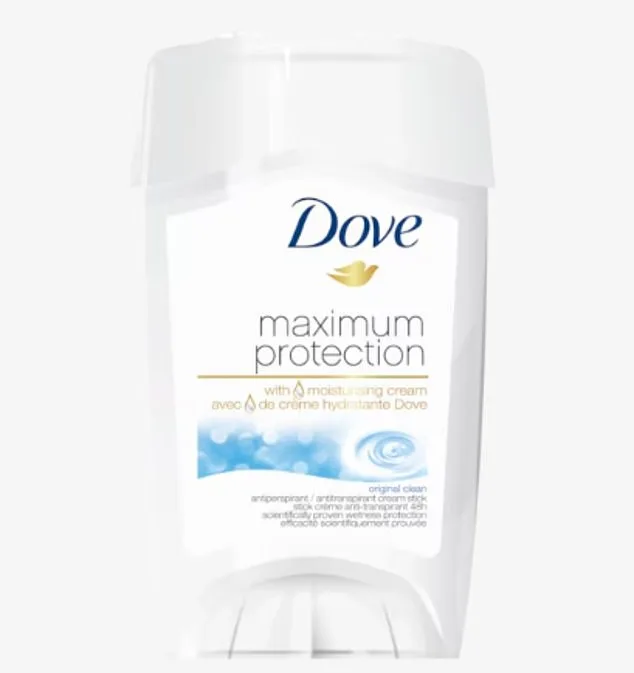
When it comes to specific recommendations, two products stand out in the dermatologists' top picks. Dove's maximum strength antiperspirant, praised for its aluminum compounds that block sweat glands, also includes sunflower seed oil to soothe irritation. This balance of function and gentleness makes it a favorite among those who need heavy-duty protection without compromising skin comfort. For a more natural approach, Mitchum's antiperspirant offers a formulation with high concentrations of aluminum salts—though Dr. Karim notes this is reserved for those with severe sweating issues. "It's not harmful," she clarifies, "but it's not suitable for everyone, especially those with sensitive skin." These choices underscore the importance of tailoring solutions to individual needs, a principle that dermatologists emphasize as vital for long-term skin health.
The insights shared by these experts are rare, gleaned from years of clinical experience and a deep understanding of how consumer products interact with human biology. Their recommendations are not just about personal preference; they're about ensuring that the products people use daily don't inadvertently harm their skin. In a market flooded with unproven claims, their voices are a beacon—guiding consumers toward choices that prioritize both efficacy and safety. As the lines between deodorant and antiperspirant blur, and as new formulations emerge, these dermatologists remain steadfast in their mission: to protect public well-being through informed, science-based advice.
The quest for effective deodorants has become a battleground between consumer needs and product safety. When Mitchum recalled its high-strength roll-on deodorants last year due to complaints of burning sensations and scabbing, it sparked a broader conversation about the fine line between innovation and irritation. Dr. Karim explains that this product uses zinc to absorb sweat rather than aluminium salts, positioning it as a deodorant rather than an antiperspirant. But what happens when a product designed to keep us fresh becomes a source of discomfort? The answer lies in understanding the chemistry behind these formulations and their impact on sensitive skin.
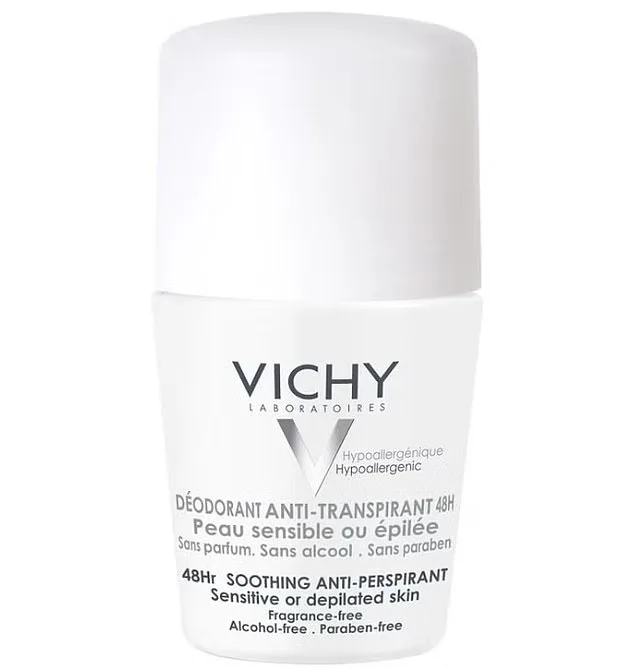
For those with delicate underarms, alternatives like Vichy's Dry-Touch deodorant offer a different approach. This formula contains perlite, a compound that neutralizes odor while absorbing moisture without blocking sweat glands. Dr. Karim highlights its inclusion of allantoin, a soothing ingredient that protects the skin barrier and calms irritation. Yet, is this enough for those who need more than just odor control? The product's appeal hinges on its balance between efficacy and gentleness—a crucial consideration in a market flooded with options.
Meanwhile, Sure's Maximum Protection Antiperspirant has drawn attention for its similar aluminium salt concentration to Mitchum's recalled product. However, the addition of fragrance raises questions about trade-offs. While scent can mask odor effectively, it may also trigger reactions in sensitive individuals. Dr. Karim notes that fragrance isn't inherently harmful but is a common irritant. This duality forces consumers to weigh their priorities: do they value masking odor or avoiding potential skin irritation? The answer might depend on the severity of their sweating and the condition of their skin.
Natural deodorants have gained traction as an alternative, with products like AKT's Deodorant Balm leading the charge. These formulations rely on sodium bicarbonate—commonly known as baking soda—to alter the armpit's pH. By making the environment less acidic, they inhibit the bacteria responsible for odor. But is this truly a solution for everyone? Dr. Karim warns that while sodium bicarbonate and essential oils can soothe the skin, they may also cause irritation in those with ultra-sensitive underarms. The challenge lies in finding a formula that strikes the right balance between natural ingredients and skin compatibility.
At the higher end of the spectrum, Necessaire's Signature Cream Stick offers a skincare-inspired approach. Packed with AHAs and niacinamide—components typically found in face serums—it promises to improve the skin barrier while reducing odor. Dr. Karim praises its sophistication, noting that it addresses concerns beyond mere smell, such as bumps and discoloration. However, its premium price tag raises a question: is this product worth the investment for those who prioritize aesthetics over cost? The answer may depend on whether the benefits of advanced ingredients outweigh the financial commitment.
As consumers navigate these choices, the role of regulatory oversight becomes increasingly vital. How do government directives ensure that products like Mitchum's are recalled swiftly when they pose risks? And what safeguards exist to prevent similar issues in the future? These questions underscore the importance of credible expert advisories in guiding public health decisions. In a world where personal care products are both ubiquitous and complex, transparency and scientific rigor must remain at the forefront.
Photos