Ben Sasse's Experimental Cancer Treatment Amid 3% Survival Odds

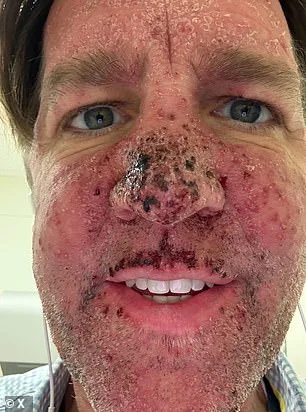
Ben Sasse's face, marred by blood and wounds, has become an image that haunts many who see it. People have speculated that he was the victim of a brutal attack, perhaps even chemical burns or electric shocks. The truth, however, is far more tragic. Sasse is undergoing an experimental treatment for stage 4 pancreatic cancer, a condition with a grim prognosis. His appearance, so disturbing to onlookers, is a side effect of the very treatment that may be buying him time. Sasse, a former senator from Nebraska, was diagnosed in mid-December and given just four months to live. Pancreatic cancer is notoriously difficult to treat, with only 13 percent of patients surviving five years. For those in stage 4, like Sasse, the survival rate drops to a mere three percent.
Now, it has been 99 days since his diagnosis, and Sasse is still alive — though not without a cost. He has described his experience as a 'calling to die,' a phrase that captures both the weight of his situation and the resolve he has found in facing it. The treatment he is receiving, called daraxonrasib, is designed to target proteins that drive tumor growth. So far, it has shrunk his tumors by 76 percent. Yet, Sasse knows this is not a cure. He has compared the process of managing his cancer to playing 'Whac-a-mole,' with new tumors emerging in different parts of his body despite the treatment's success.
The drug comes with a severe side effect: it prevents his skin from regrowing, causing him to bleed in various places, including on his face. This has led to the graphic images that have circulated, showing a man who is both resilient and broken. In a wide-ranging interview with the New York Times, Sasse said he did not choose to 'die in public.' He described the experience as one of redemption, a chance to make the most of the time he had left. He acknowledged the pain of knowing his children might grow up without him, but he also found a sense of peace in the idea that death is something to be hated — a 'wicked thief' that eventually claims all.
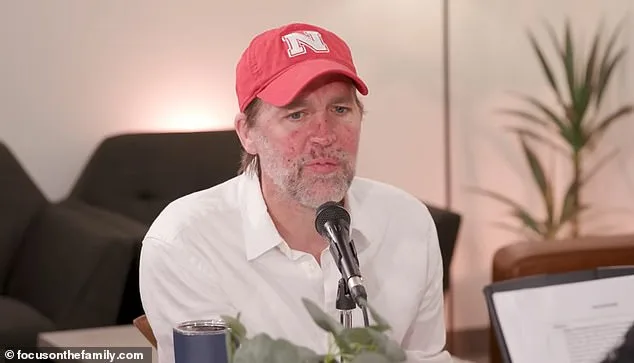
Sasse's journey has not been easy. Before his diagnosis, he was a prominent figure in American politics, serving as a senator from 2015 to 2023. He was known for his independent conservative voice within the Republican party and for his criticism of former President Donald Trump. He was one of the seven Republicans who voted to impeach Trump over charges of insurrection. In 2023, he stepped back from politics to become the president of the University of Florida, seeking a different path in civic reform. Health-conscious in his 50s, he even participated in sprint triathlons — events that require completing a swim, bike ride, and run within two hours.
But in October last year, Sasse began experiencing a 'ton of back pain.' Initially, he thought it was due to his weighted vest or a pulled muscle. When the pain persisted, he saw a doctor who ordered a full-body scan. Within 45 minutes of the scan, doctors called him with devastating news: his torso was 'chock-full' of tumors. He was diagnosed with stage 4 pancreatic cancer. This condition is particularly feared because its symptoms are often vague and easily dismissed — a dull headache, intermittent indigestion, or unexplained fatigue. By the time these signs become more severe, the cancer may have already spread.
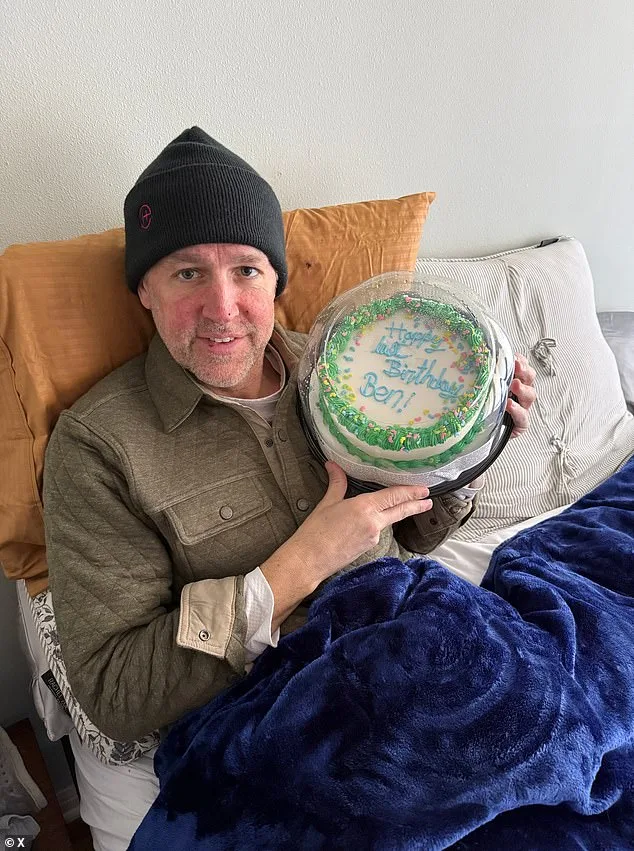
Sasse's story is one of courage and vulnerability. He is not just a public figure facing death; he is a father, a husband, and a man who has made peace with the idea that his time is limited. His journey has raised questions about the nature of suffering, the limits of modern medicine, and the role of faith in the face of adversity. As he continues his battle, his story serves as a reminder of the fragility of life and the strength it takes to face death with dignity.
How does a disease so often evade early detection until it's too late? For pancreatic cancer patients, the answer lies in a grim reality: by the time symptoms emerge, the disease has already spread. This means that often, by the time the disease is finally diagnosed, it has spread and become much harder to treat, making the cancer a death sentence. Patients may be treated with surgery, radiation or chemotherapy, but if the cancer is too advanced, these will likely only delay the disease rather than cure it. About 67,000 Americans are diagnosed with the cancer every year, while more than 52,000 die from the disease. Overall, just 13 percent of patients survive for five years or more after their diagnosis. Among those diagnosed at stage four, like Sasse, only three percent live for five years. Once largely considered a disease of older adults, most commonly affecting people over 65 years old and particularly those with diabetes or obesity, doctors say it is now rising among young people.
Sasse said that when he was diagnosed with the cancer, doctors said his body was riddled with tumors. Sasse is pictured above, left. He said he does not believe the experimental treatment will clear his cancer. Sasse said that when he received the diagnosis, doctors told him he actually had four other cancers in addition to pancreatic: Lymphoma, cancer of the white blood cells, vascular, cancer of the blood vessels, lung cancer and liver cancer. Doctors said these were triggered by the pancreatic cancer spreading in the body, and causing cancer in other areas. His original spinal pain that pushed him to go to the doctor was caused by pancreatic tumors that were pushing on his spinal column. He said: 'So, it was pretty clear that we were dealing with a short number of months. 'I said, I believe we're all on the clock. We're all dying. So, this is not the scariest thing to me. [But] I have kids out of the house — our daughters are 24 and 22. But our providential surprise, our boy, is a decade younger. I was immediately thinking about Melissa [my wife], my best friend of 33 years.'
Doctors initially offered him chemotherapy, radiation and surgery, but said they were not confident these would be successful. Sasse has not said whether he received any of the treatments, but said that shortly after his diagnosis, he was looking for a clinical trial to join. Within two weeks, he had been accepted into MD Anderson Houston's trial for the drug daraxonrasib, which has been designed specifically to treat some forms of pancreatic, lung and colon cancers. In its phase 1 trial, patients receiving the drug who had pancreatic cancer survived for 13.1 and 15.6 months on average. This was longer than the 7.4 months longer than among patients who were treated with the current standard medications. He is now in Houston up to two days a week for the treatment, and receives it orally, with doctors monitoring for side effects.
Besides the bleeding skin, he said he is also suffering with constant pain and regular nausea that often causes him to vomit. He said his face typically feels 'nuclear' and like it is burning and is in the pharmacy every day seeking medications to ease the side-effects. Although the drug has reduced the size of his tumors, he said that doctors tell him that because there is already so much cancer across his body, it is unlikely that the drug will be able to cure the disease and save his life. He did not give an updated prognosis, but said that after starting the treatment he has felt 'better than I deserve'. He said: 'Death is terrible. We should never sugarcoat it. It is not how things are meant to be. 'But it is great that death can be called the final enemy. It's an enemy, but a final enemy. 'And then, there will be no more tears.
Photos