Banning Additives in Processed Meat Could Save Thousands of Lives
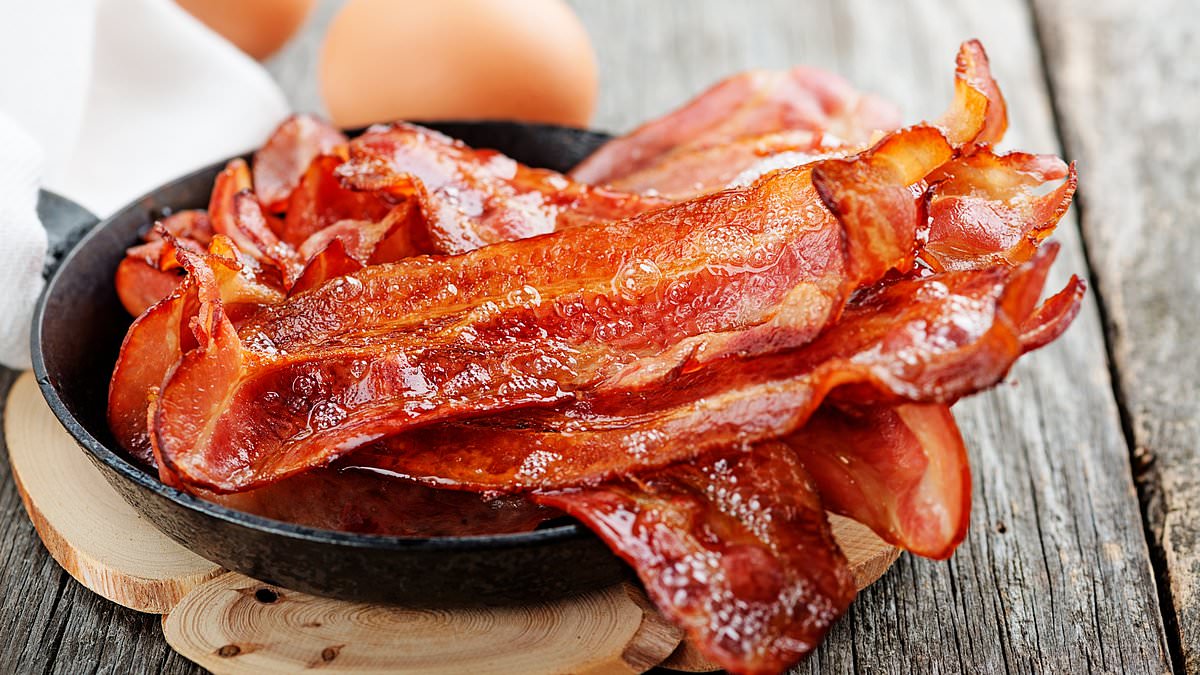
Thousands of lives could be saved if Britain banned cancer-causing additives found in processed meats like bacon and ham, a leading expert has claimed. Professor Chris Elliott OBE, who used to serve as a government food safety adviser, insists that strict controls on nitrates and nitrites would cut the growing tide of bowel cancer across the UK. These preservatives go into meat products to stop bacteria from multiplying and to keep the color bright. Yet studies indicate they can turn into harmful compounds inside the gut. They are blamed for roughly 5,400 bowel cancer cases every single year.
Diagnoses among young Britons are skyrocketing. Cases have jumped by more than 50 per cent since the nineties. The disease kills about 17,700 people annually, that is around 48 deaths a day, or two every hour. While the European Union has tightened limits on these additives, the UK's Food Standards Agency ruled last year that proof linking nitrates and nitrites to cancer remained inconclusive. Professor Elliott, who works at Queen's University Belfast, now attacks that judgment. He argues the agency ignored key studies proving the harm of those chemicals.
"There is a very strong link between consumption of these chemicals in processed meats and bowel cancer," he stated during a new BBC Panorama documentary investigating the rise in young-onset cancers, which aired tonight. "Key pieces of evidence I knew about weren't even mentioned in the [FSA] report." They excluded every animal study on this subject.

How can you conduct an evidence review and leave out most of the valuable information?" Professor Elliott asked with sharp concern. He noted that the EU is moving to eliminate additives from processed meats entirely. In contrast, UK regulators claim there isn't enough evidence to act. Thousands of lives hang in the balance here. The final outcome will be more bowel cancer cases, hurting patients and their families.
This warning marks another chapter in Professor Elliott's long campaign against nitrates and nitrites. Last year, a major analysis he joined found these chemicals caused over 50,000 bowel cancer cases in just ten years. That data followed a pivotal 2015 World Health Organisation report listing processed meat as a Group 1 carcinogen, placing it on the same level as tobacco and asbestos. Manufacturers add these chemicals to stop bacteria growth and keep products bright pink for longer shelf life.
Speaking last year, Professor Elliott stated that ten years after the WHO report, the UK Government has done virtually nothing to cut nitrite exposure. These curing agents make meat look appealing but also create nitrosamines, which trigger cancer. Every year of delay brings more preventable cancers, more grieving families, and greater pressure on the NHS.
Professor Elliott and his team wrote to then-Health Secretary Wes Streeting asking for front-of-pack warnings on nitrite-cured goods. They wanted consumers to see potential risks clearly. Professor Elliott said in a new documentary that he never received a reply from officials. A Department of Health and Social Care spokesman stated the Food Standards Agency handles food safety assessments, including additive use. The spokesperson added that through the National Cancer Plan, the UK stays at the forefront of global cancer research, especially for young people, while scientists constantly explore new evidence.
Professor Ian Young, Chief Scientific Advisor for the FSA, said nitrite and nitrate additives in processed meat are tightly regulated with strict maximum legal safety limits. He insisted industry must use no more than necessary for food safety. Officials acknowledge public concerns but argue health risks apply to red and processed meat overall, not specifically to the nitrates or nitrites used during processing.
Professor Young advised that a diet rich in fibre and wholegrains lowers bowel cancer risk alongside healthy lifestyle changes. Those wishing to cut nitrite intake can choose from growing ranges of no-added-nitrite products, though these may still contain some nitrites. The FSA's stance rests on the totality of scientific evidence. They say the safest way to reduce any risk is simply to eat less red and processed meat.
A sharp rise in bowel cancer among under-50s has triggered a landmark trial by King's College London. Scientists are recruiting 250,000 participants to investigate what drives rising diagnoses in younger adults. The study will examine diet, lifestyle, gut health, and environmental exposures. Overall, around 50,000 new cases occur annually in the UK. While rates climb among younger people, bowel cancer remains far more common in older groups, with roughly 2,900 yearly diagnoses happening in those under 50. Beyond diet, known risk factors include smoking, heavy alcohol use, and diets low in fibre and calcium. Why ignore these clear dangers when the data screams for action?
Photos