Bank of America: Hobby Costs Surge as Funflation Hits Hard
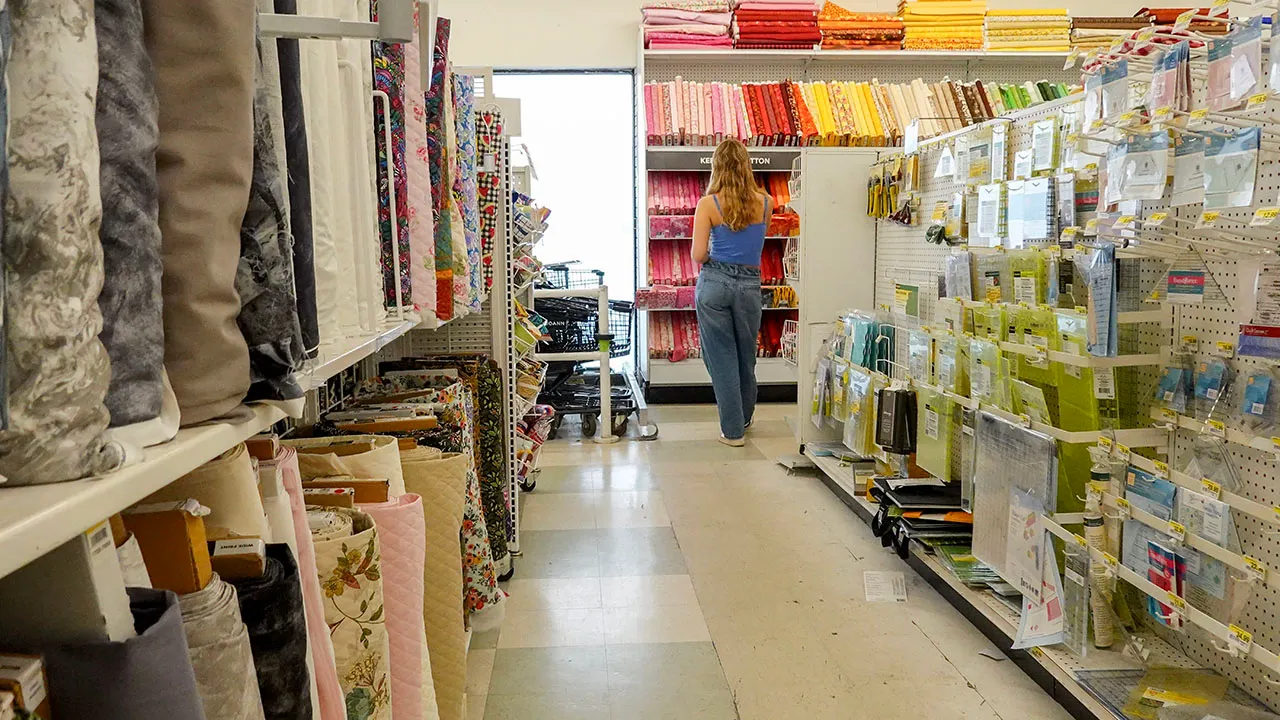
Bank of America card data reveals a stark reality: the price tag for having fun is skyrocketing. A fresh report from the Bank of America Institute confirms that American consumers are pouring money into their pastimes, yet they face steeper costs to do so. This phenomenon, which the analysts call "funflation," hits arts and crafts shops, hobby stores, and outdoor recreation providers hard. These businesses cater to hikers, campers, skiers, and scuba divers who see their bills swell without getting more for it.
The numbers paint a grim picture of limited access to affordable enjoyment. In August alone, spending on hobbies jumped 7.9% year over year. That pace is twice as fast as the 3.4% growth seen in actual transactions. Put simply, people are buying significantly less often but paying much more when they do. This trend flips the script from August 2025, a time when transaction volume actually outpaced spending by nearly one percentage point. During that earlier period, shoppers bought more things for cheaper prices. The pandemic era saw hobby costs rise faster than purchases too.
"In our view, it's likely that people splurged on hobbies amid social distancing during the pandemic, then gravitated back toward pricier alternatives like travel throughout 2022 and 2023," the Bank of America Institute stated in its findings. "However, last year there may have been some rotation back to less expensive leisure like hobbies as after-tax wage growth slowed considerably."
Fuel costs are driving travelers away from vacations, forcing a shift toward home-based activities despite the inflation. The report highlights an acceleration in hobby spending over recent months. Some consumers balance their budgets by cutting travel and leaning into cheaper pastimes, yet even those options have become expensive.
Generational divides are widening within this market. Older millennials lead the pack on hobby spend, closely followed by baby boomers and Gen X. These groups dump significantly more cash into hobbies than their Gen Z peers. Younger millennials sit right in the middle of that spending curve.
"Older Millennials also boast the largest share of their population with hobby spending," the Institute explained. "In our view, it's likely because this group is most likely to have young children. Which may mean older Millennials not only spend on their own hobbies but on their kids' as well."
Data from the Census Bureau backs up that family dynamic. The American Time Use Survey shows older millennials get just a little more than four hours of leisure time per day on average. That tight schedule suggests their hobby purchases often cover both themselves and their offspring.
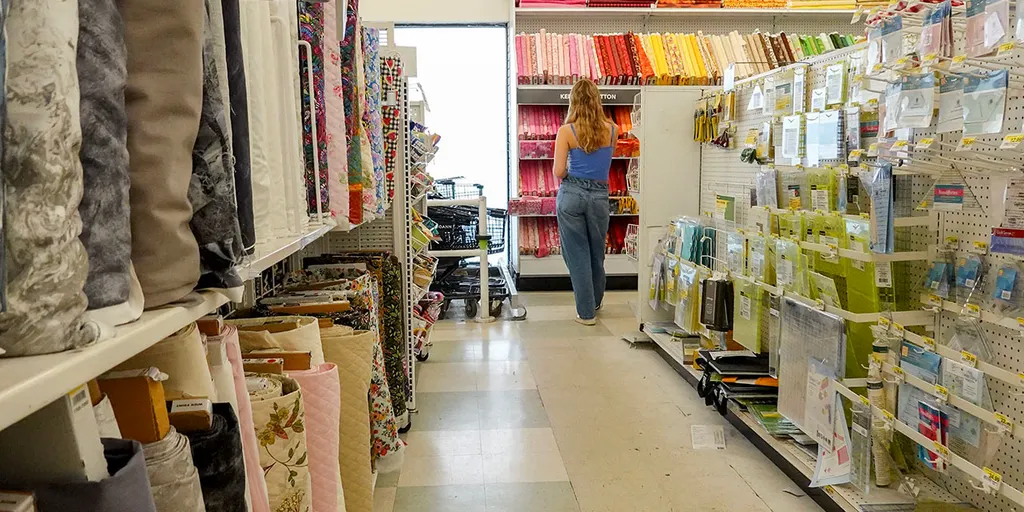
"Younger Millennials and Gen Z have the lowest average spending, but a higher share of their population with hobby outlays," the Bank of America Institute noted regarding these younger groups. "To us, this suggests that these generations are likely gravitating most of their spending toward less expensive hobbies like arts, crafts and board games."
The landscape is changing fast. Younger and older millennials, plus Gen Xers, are ramping up their hobby budgets right now. Meanwhile, baby boomers and Gen Z are slowing their pace down.
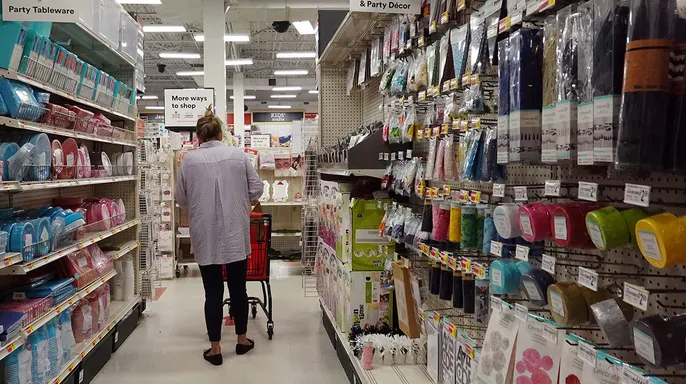
Bank of America card data reveals a stark slowdown in Gen Z hobby spending for August. Transaction growth hovered near zero when compared with nearly 16% year over year from the same month last year. This drop wasn't random; it was driven by a significant decrease in spending on outdoor recreation that completely offset gains at arts and crafts retailers and hobby shops.
The report points out that last year's high numbers might have been skewed by buying hiking boots, durable goods that don't need replacing often. That changes the math right now. It is also possible this shift signals a move toward more "granny core" activities like knitting, sewing, or baking within the arts and crafts sector. These hobbies offer different spending habits than chasing trails in the woods.
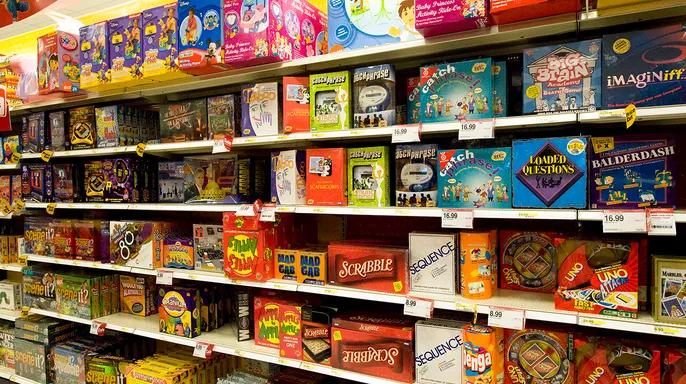
The Bank of America Institute noted something else too: Gen Z is currently pouring money into gaming. This includes board games and tabletop role-playing games that require fewer frequent purchases to keep playing. The Census Bureau's time use survey backs this up, showing that Gen Z spends about 20% to 25% of their leisure time playing games or using a computer.
Why the change in behavior? Maybe the outdoor gear is just too expensive right now. Or perhaps people are finding comfort at home with needle and thread instead of boots and backpacks. The data shows where the money goes, even if the reasons behind it stay private to the shoppers themselves.
Photos