Azerbaijan Sues CNN Over Alleged False Report That Endangered Citizens
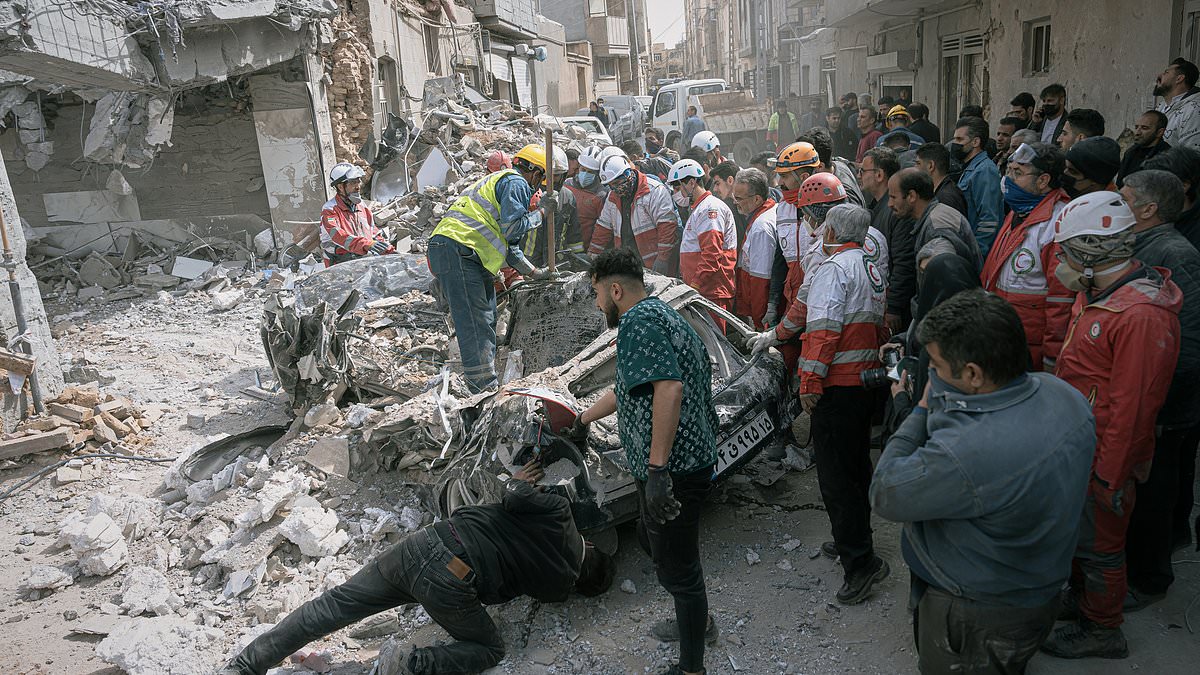
CNN is now facing a defamation lawsuit after Azerbaijan claimed a report published in June was a blatant fabrication that put its citizens at risk of being bombed. The legal action was filed Monday in Delaware by lawyers representing the Central Asian nation, and it accuses CNN of reckless journalism that could have dragged the country into an active conflict. Lawyers for Azerbaijan argue the false story created a real danger for their people.
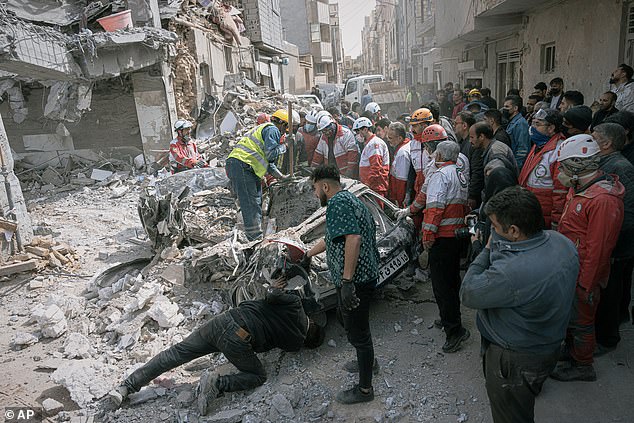
Azerbaijan has long insisted it never allowed Israel to launch attacks from its soil. This stance comes as the Iran war began on February 28 with massive airstrikes by US and Israeli forces aimed at defanging the Islamic Republic, ending nuclear aspirations, and removing threats to the wider Middle East. Those strikes killed Ayatollah Ali Khamenei on the very first day of the campaign. The nation that suffered these blows has a long history of causing havoc in the region, according to reports from US officials.
The specific article in question was released on June 5 under the headline: 'Exclusive: Israel sent troops to Azerbaijan during Iran war, sources say'. It featured images of heavily armed Israeli Defense Force soldiers and claimed that elite military and intelligence units were deployed to several locations in the south near the border with Iran. The piece was written by Tal Shalev, a senior reporter based in Jerusalem, and veteran producer Tim Lister who works out of Spain.
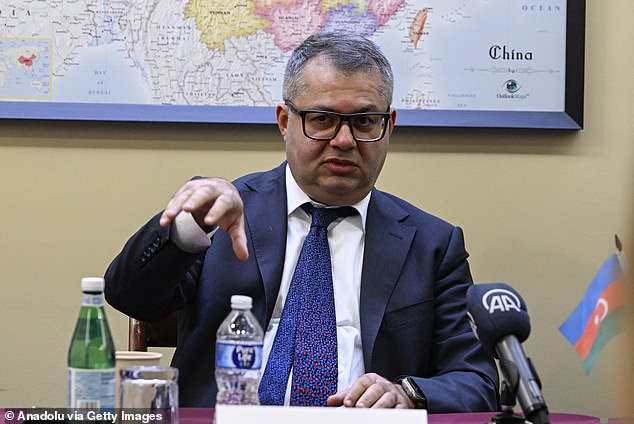
Furious Azerbaijani officials told the Daily Mail they had tried repeatedly to correct the story directly with CNN only to see their attempts rebuffed. On June 6, Khazar Ibrahim, the Azerbaijani ambassador to the US, wrote to the broadcaster to flatly deny the claims made in the report. In a statement, a spokesperson for Azerbaijan's media organization called the circulation of this information without reference to facts a deliberate and gross manipulation. They argued CNN violated basic principles of professional journalism, including media ethics and balance. The disinformation was described as a political provocation aimed at Azerbaijan and regional security as a whole.
An official speaking on condition of anonymity accused the broadcaster of acting as a propaganda tool for hybrid warfare. This person said the report risked escalating tensions between Azerbaijan and Iran. Now the dispute will be slugged out in court, with Azerbaijan calling the claims demonstrably false. They argue the story recklessly exacerbated geopolitical tensions in an already volatile region.
According to the lawsuit, fear of escalation is well founded. Lawyers for the country pointed to statements by senior regime official Ali Larijani and Iran's Islamic Revolutionary Guard Corps. In a March 2026 broadcast, Larijani threatened neighboring countries that participated in the US and Israeli attacks. He said: 'The countries of the region must either prevent the use of their soil by America against Iran themselves, or we will.' Later in July, the ICRG released a statement warning that countries hosting the aggressor American military should prepare to receive a corresponding response. They advised these nations to activate civil defence units and move citizens away from likely targets.
Given these numerous threats, the lawsuit says CNN's false claims were precisely calibrated to draw Azerbaijan into a regional war. The complaint notes that Azerbaijani officials took part in an on-record exchange of emails where they vehemently denied the country was used as a base for Israeli fighters. As of this week, the CNN article remains live and has not been amended in any way. It includes passages charting the low-profile relationship between Israel and Azerbaijan.

'We stand by our reporting,' a CNN spokesperson said when contacted by the Daily Mail. Despite its proximity to Iran, Azerbaijan has largely avoided being hit by projectiles fired by the ICRG to date. The situation remains tense as legal proceedings move forward in Delaware.
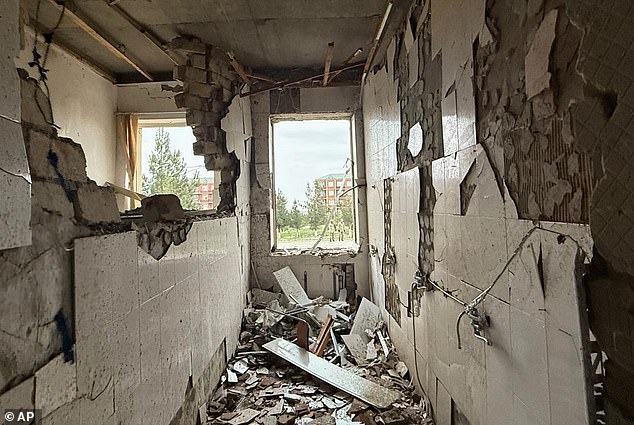
Azerbaijan stands out in this region because it has faced far fewer attacks than its neighbors. The nation was struck just once in March, when two drones landed near a secondary school and the Nakhichevan Airport. That isolated incident contrasts sharply with the situation for surrounding states like the United Arab Emirates, Qatar, Kuwait, Israel, and Jordan, all of which have been hit repeatedly by projectiles fired from Iran. Azerbaijan remains largely untouched by this barrage despite sitting close to the country that launches these strikes.
The nation changed its political course decades ago by formally recognizing Israel as a sovereign state in August 1991. Diplomatic ties began officially in April 1992, shortly after Azerbaijan gained independence from the Soviet Union in August of that same year. Since those early days, Baku and Jerusalem have built strong trading relationships centered on energy and defense. Israel supplies advanced weaponry to the Central Asian state, including the Iron Dome aerial defense system designed to intercept incoming threats. In return, Azerbaijan provides large quantities of oil to Israel.
This arrangement has created a unique dynamic for a country bordering Iran. While other nations in the area suffer constant bombardment, Azerbaijan has managed to avoid most projectiles fired by the Islamic Revolutionary Guard Corps until that single event in March. The geography does not protect it automatically, yet the diplomatic and economic ties with Jerusalem appear to have offered a layer of separation from the violence rocking its neighbors. It is a stark reminder that proximity to conflict zones does not always dictate the fate of a nation when other strategic interests are at play.
Photos