Artemis II Crew Faces 40-Minute Communications Blackout During Historic Lunar Flyby

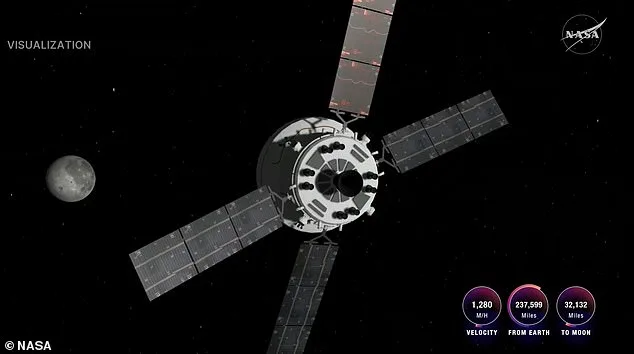
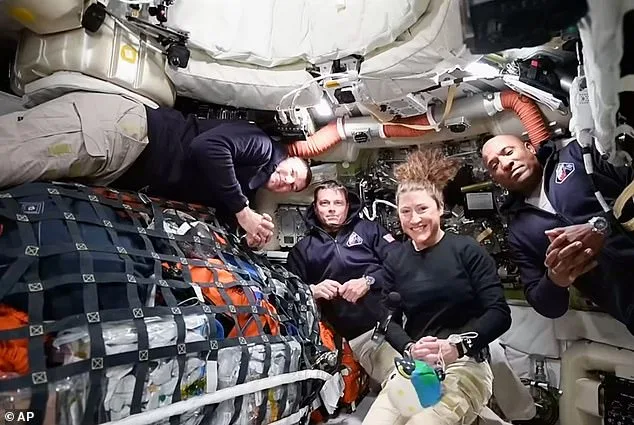
NASA's Artemis II mission is on the cusp of a historic lunar flyby that will test both human ingenuity and the limits of space communication. Tonight, the crew of four astronauts—Canadian mission specialist Jeremy Hansen, commander Reid Wiseman, mission specialist Christina Koch, and pilot Victor Glover—will pass behind the moon, triggering a 40-minute communications blackout with Earth. This moment, while routine in mission planning, carries an undeniable edge of tension. During this window, the Deep Space Network, NASA's global system for tracking spacecraft, will lose contact with the Orion capsule as the moon's mass blocks all radio signals. If anything goes wrong during the flyby, the astronauts will be entirely on their own for 40 minutes until the spacecraft reemerges from the moon's shadow.
The Artemis II team has already broken records in their journey. At around 1:56 p.m. ET (6:56 p.m. UK time), the capsule will surpass the distance once held by Apollo 13, reaching a maximum of 252,757 miles (406,772 kilometers) from Earth. This achievement marks the farthest humans have ever traveled from our planet since the Apollo era. The astronauts have already captured images of the moon's surface that reveal features never seen before, including craters and geological formations hidden in shadow. As part of their mission, they will spend seven hours observing the moon, dividing time between pairs of crew members who will take turns studying the lunar landscape while others focus on exercise or other tasks.
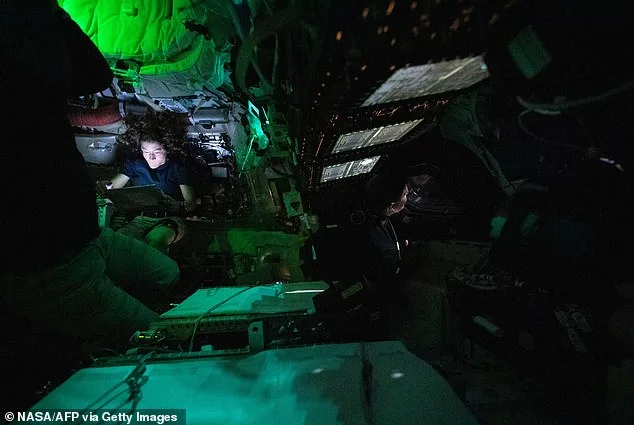
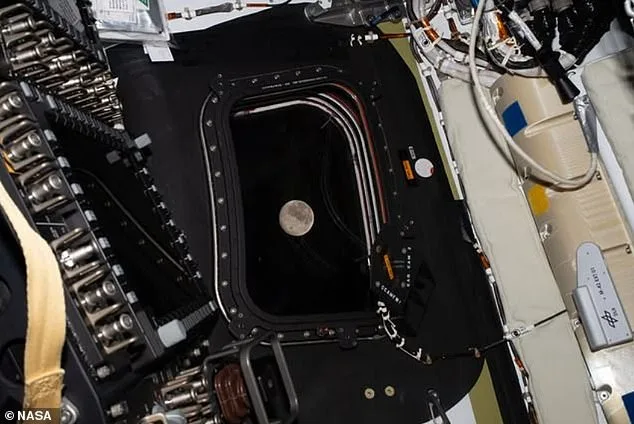
The most critical moment of the flyby will occur at 6:47 p.m. ET (11:47 p.m. UK time), when the Orion capsule will make its closest approach to the moon. At that distance, the moon will appear roughly the size of a basketball held at arm's length—a stark reminder of how vast space truly is. NASA has shared a poignant image from the crew's perspective, captioned: "One last look at the moon before flight day six and your epic lunar flyby, taking you farther into space than humans have EVER traveled." This image captures the crew's final view of Earth's natural satellite before they venture into uncharted territory.
Despite the risks, mission officials remain confident in the spacecraft's trajectory. Judd Frieling, the ascent flight director, emphasized that the crew is relying on the moon's gravity to slingshot them back toward Earth rather than using risky engine burns. "We absolutely know physics is going to take them back to us," he said during a recent briefing. This approach minimizes the chance of losing control, though the 40-minute blackout remains a unique challenge. As Victor Glover told the BBC earlier, the crew will use this time for reflection: "Let's pray, hope, send your good thoughts and feelings that we get back in contact with the crew."
NASA's mission control expects to reestablish communication with the astronauts at 7:27 p.m. ET (00:27 UK time). After the flyby, the crew will spend two more hours transmitting imagery and data before beginning their return journey. This is not the first time such blackouts have occurred—similar events were planned for Artemis I and Apollo missions—but the scale of this mission's communication infrastructure makes the risk manageable. So far, the flight has proceeded smoothly, with minor issues like toilet malfunctions resolved by the crew.
As Orion completes its lunar flyby, it will begin a four-day return trip to Earth. During this time, the astronauts will conduct safety demonstrations, including testing procedures to protect against solar radiation. Upon reentry, the capsule will shed key components before plunging into Earth's atmosphere at 25,000 mph (40,233 kph). The spacecraft is expected to splash down in the Pacific Ocean, marking the end of a mission that has already rewritten the rules of human space exploration. For now, the Artemis II crew remains focused on their observations, their survival, and the silent, vast expanse of space that lies between them and home.
The latest mission to the moon marks a pivotal moment in space exploration, with ambitions set for a human landing by 2028. This would be the first such endeavor since the Apollo 17 mission in December 1972, which left the last human footprints on lunar soil. The effort is part of a broader initiative to reestablish a sustained human presence beyond Earth, driven by both scientific curiosity and geopolitical competition. Agencies like NASA, ESA, and private companies are collaborating to ensure this goal becomes reality, with the moon serving as a stepping stone for deeper space exploration, including eventual Mars missions.
Behind the scenes, the planning has been meticulous. Engineers and scientists have spent years designing spacecraft capable of surviving the harsh lunar environment, while robotic precursor missions have already mapped potential landing sites. The focus is on the Moon's south pole, an area believed to harbor water ice deposits—resources that could support long-term habitation and fuel production. These discoveries have shifted the mission's objectives from mere exploration to establishing a foundation for future colonies and research outposts.
Funding and international cooperation remain critical challenges. While the U.S. government has committed significant resources through programs like Artemis, global partnerships are essential to share costs and expertise. Countries such as Japan, Canada, and the United Arab Emirates have pledged support, reflecting a growing interest in lunar exploration. However, political shifts and budget constraints could still threaten progress, underscoring the delicate balance between ambition and practicality.
Technologically, the mission relies on advancements in propulsion, life-support systems, and autonomous robotics. Innovations like the Space Launch System (SLS) rocket and the Orion spacecraft are being tested rigorously to ensure safety during the journey. Meanwhile, lunar landers designed for both crewed and uncrewed operations are undergoing trials in simulated environments on Earth. The success of these tests will determine whether the 2028 timeline is achievable or if delays are inevitable.
Public interest in the mission has surged, reigniting conversations about the role of space exploration in addressing global challenges. Advocates argue that lunar research could yield breakthroughs in energy, materials science, and medicine, while critics question whether such efforts should take precedence over terrestrial issues like climate change. Despite these debates, the momentum behind the 2028 landing shows no signs of slowing, with each passing year bringing the dream of returning to the moon one step closer to reality.
Photos