Army nearing contract for first operational military laser weapon
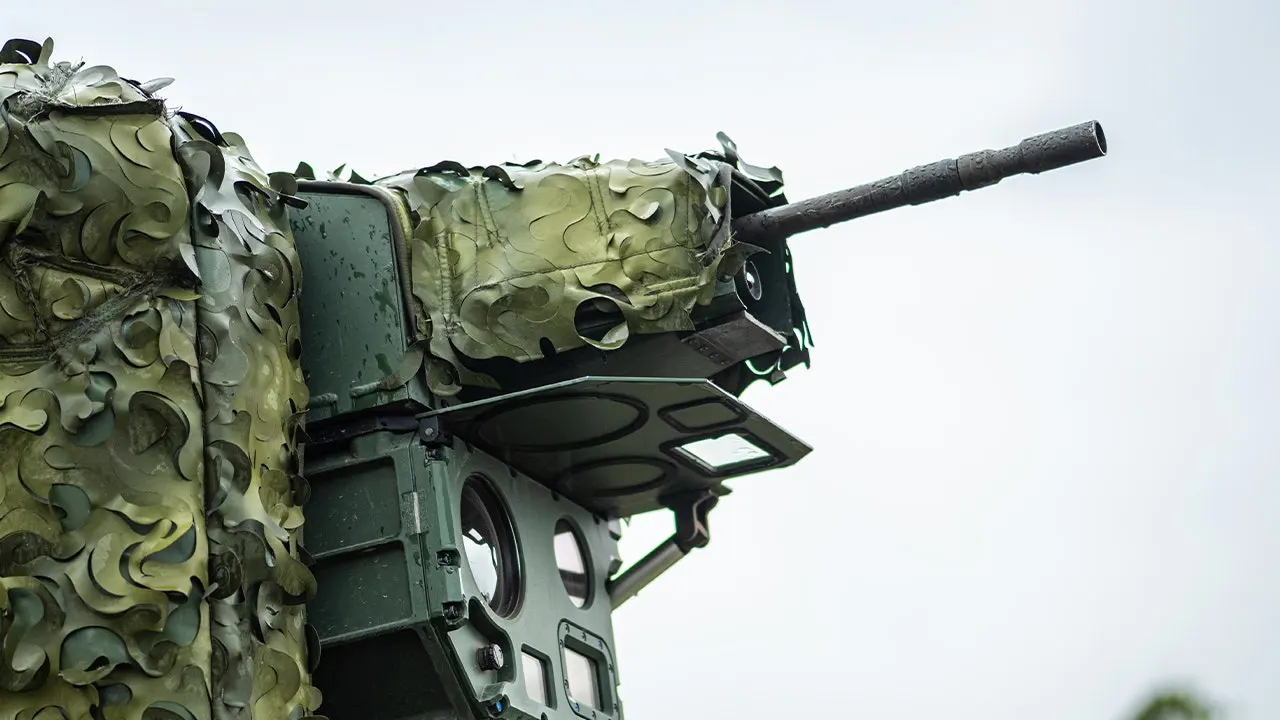
For decades, the Pentagon has chased a bold dream: using lasers to smash enemy drones and missiles instantly while saving millions in interceptor costs. Now, after years of testing and false starts, the Army looks ready to make that vision real on the battlefield. The service is close to awarding a contract for the Enduring High Energy Laser, or E-HEL. If this system enters permanent duty as planned, it will be the first laser weapon in the U.S. military to reach full operational status. This move arrives just as Washington rushes to adapt to a new war era where cheap drones overwhelm old defenses and force armies to burn through costly kinetic weapons. The E-HEL offers a fresh way for American forces to fight back without relying solely on expensive missiles.

In July, Army acquisition chief Lt. Gen. Frank Lozano stated the service was negotiating with AeroVironment for this project. He called it the Army's first program of record for a family of high-energy laser systems. The general noted that tests at White Sands Missile Range in New Mexico showed "a lot of recent promise and capability." A source familiar with the work told Fox News Digital negotiations are wrapping up, though nothing is final yet. This progress does not happen alone either. The Air Force recently revealed it uses compact lasers overseas to stop drones. The Navy has spent years testing its HELOS system on destroyers to integrate directed-energy weapons into fleet operations. Together, these steps suggest the Pentagon may have entered a new phase after decades of research and billions in spending.
Other nations play a role too. Israel is already deploying its Iron Beam laser air defense system with significant U.S. support to counter rockets and drones. China has shown off a growing array of military lasers as it expands its own directed-energy capabilities. Still, the War Department faces a long history of struggle. Early American programs hit technical walls involving power generation, beam control, thermal management, and reliability in harsh environments. Tom Karako, director of the Missile Defense Project at the Center for Strategic and International Studies, told Fox News Digital simply that "It's not about the laser anymore." This shift marks a turning point where technology finally meets battlefield needs. The question remains whether this system will deliver when it matters most under fire.
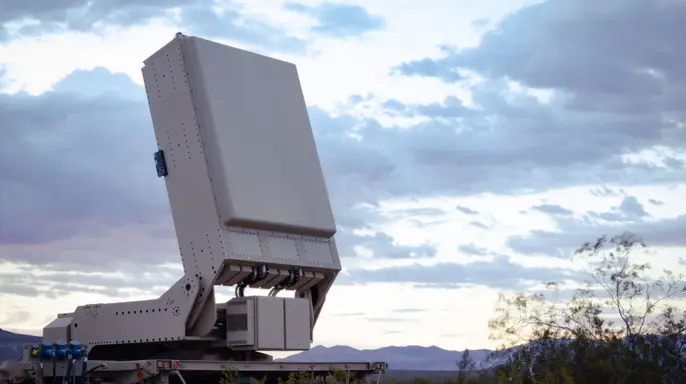
It's all these other things that make it workable as a weapon system," experts note when discussing the shift toward directed energy weapons. The process involves ensuring systems can withstand dust, heat, and bad weather while developing doctrine and training operators for real-world field maintenance. Because laser beams travel well beyond their intended target, military planners must prevent accidental illumination of satellites or other aircraft. This complexity explains why integrating the technology into everyday operations is far harder than simply building a powerful laser.
The push has been driven largely by the rapid spread of inexpensive drones across battlefields in Ukraine, the Middle East, and the Red Sea. These cheap aerial threats force militaries to rethink how they defend against them. Even as lasers move closer to operational use, they are unlikely to replace traditional missile defenses entirely. Unlike missiles that can travel over the horizon to engage distant targets, lasers are largely line-of-sight weapons. They can only strike what they directly see.

"It's great for when that drone is coming in on top of you," Karako said regarding laser utility. "But it's more difficult to be able to get past the horizon." This limitation means lasers will become another layer of the Pentagon's air defense architecture rather than a replacement for kinetic interceptors. Missiles remain needed to engage threats at long distances and in adverse conditions, while lasers work best against drones already inside a defended area.
The Army is also pursuing a next-generation counter-drone missile expected to cost less than $150,000 per interceptor. This move fits a broader effort to expand lower-cost options for defeating unmanned aircraft. Lasers are only one piece of the Pentagon's directed-energy push. The military also tests high-powered microwave systems like Epirus' Leonidas to defend against swarms of inexpensive drones. These microwaves use bursts of electromagnetic energy to disrupt electronics in multiple nearby planes at once.

Rather than relying on a kinetic interceptor, this approach uses energy to jam communications between drones and operators or interfere with satellite navigation signals. Such interference can cause unmanned aircraft to lose control entirely. The Pentagon is investing heavily in these radio-frequency technologies as part of its strategy against evolving aerial threats.
Photos