Army Cancels Drone Battalion Plans After Leadership Shift
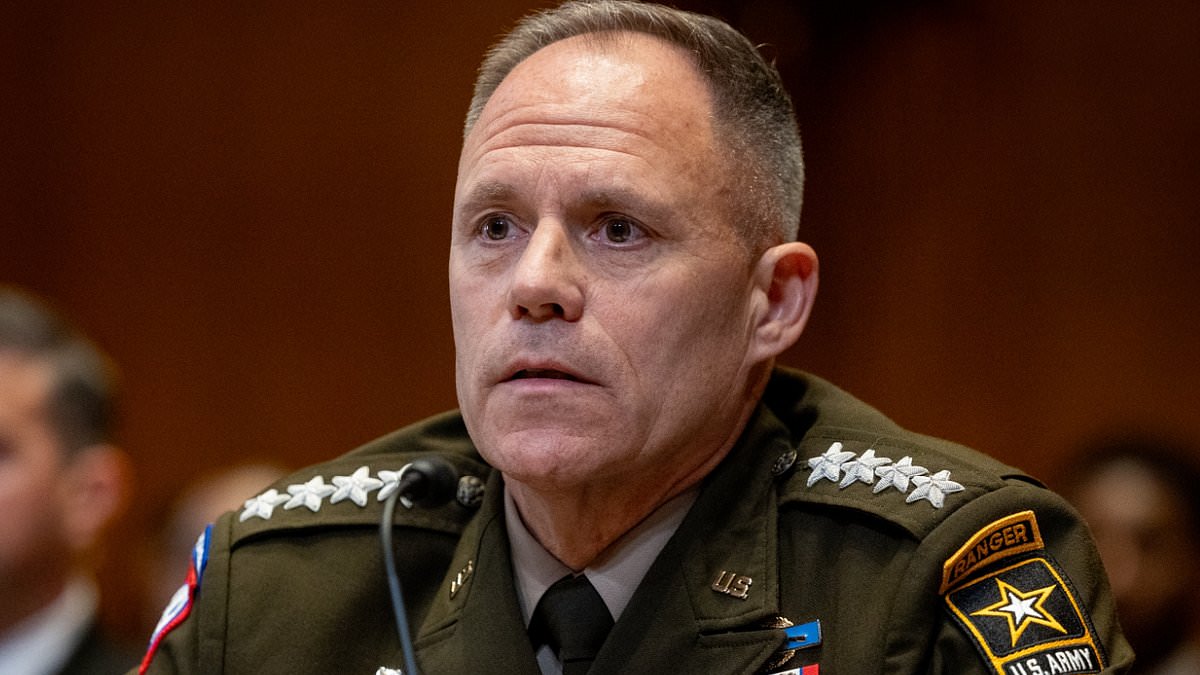
The United States Army is reportedly pulling out of its planned drone assault battalion, a dramatic reversal critics are calling deeply regretful and dangerous. In a clear shift away from high-tech experimentation, the service announced it will return to core warfighting tasks as an airborne infantry unit. This decision follows a major exercise in Germany back in August and September, where the battalion tested drones and ground robots before shelving those specific ideas for future study.
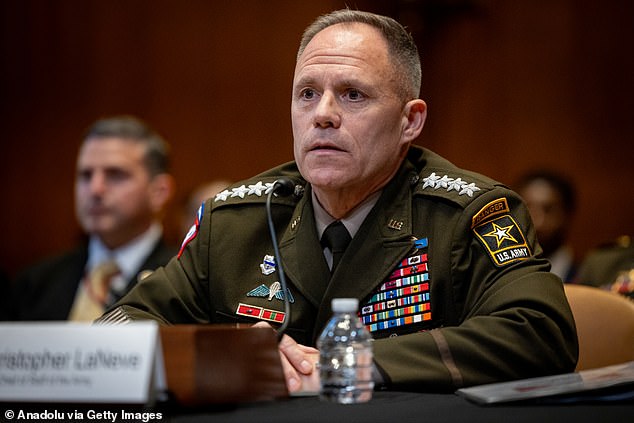
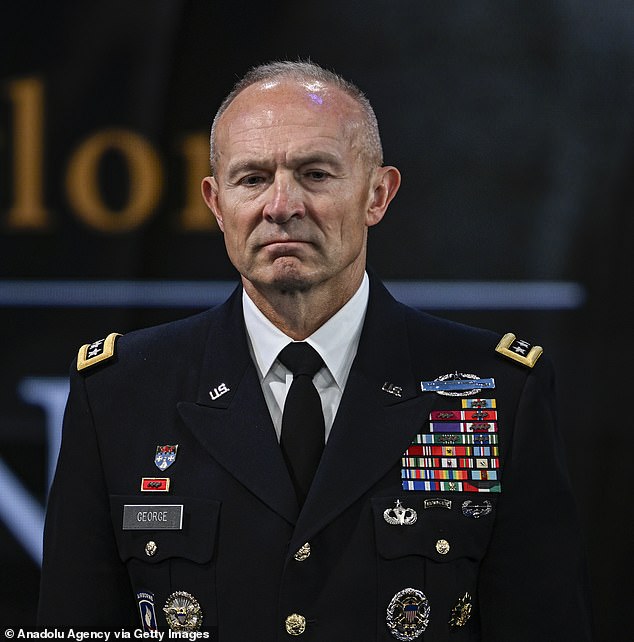
General Christopher LaNeve, currently acting chief of staff of the Army, told the Wall Street Journal that this pivot represents a move back to basics. He replaced General Randy George, who had pushed hard for the robotic initiative but was fired by Defense Secretary Pete Hegseth in April. LaNeve himself served as Hegseth's senior military assistant inside the Pentagon before taking charge of these personnel changes, according to reports from the New York Times.
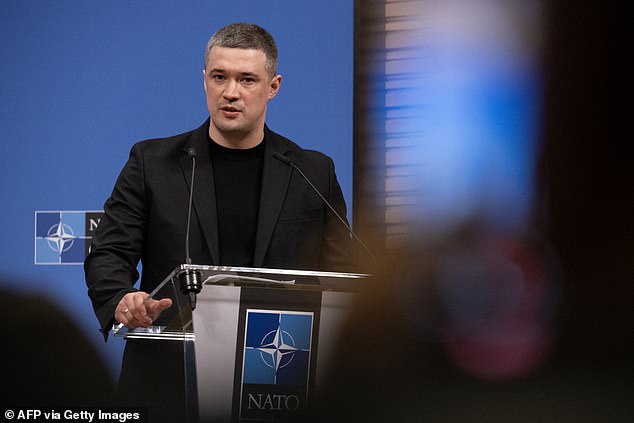
The drive to adopt such technology grew out of the war in Ukraine, where drone tactics have proven devastatingly effective. Mykhailo Fedorov, former Minister of Defense in Ukraine, described his nation's defense industry as a global epicenter for military technological innovation. "Ukraine has become the drone capital of the world," he stated. He noted that they are writing new doctrine based on cheap, autonomous technologies capable of protecting small nations against massive threats. Fedorov added that reaching the first line of battle currently takes seven to 12 days due to drone density, but soon autonomous drones will fight other autonomous drones in a totally robotized frontline.
Michael O'Hanlon, a defense expert at the Brookings Institution, slammed the Army's decision to scale back its exploration of drone warfare. "Ukraine has essentially revolutionized the close fight," O'Hanlon said in an interview with the Journal. He argued that General George was finally understanding this shift, and any setback would be deeply regretful and dangerous for national security.
Concerns also arose earlier this year regarding Iranian attack drones potentially slipping past US defenses. Brett Velicovich, a former Army intelligence soldier who hunted ISIS leaders using drones before founding PowerUs, warned about new asymmetric threats. He explained that low-cost, small drones sent in massive waves do not have the same signature as intercontinental ballistic missiles. Iran has spent years building a huge arsenal of so-called kamikaze drones designed to crash into targets with explosive payloads. "They got a head start on us in terms of producing and manufacturing low-cost long-range attack drones," Velicovich said.
Despite these warnings, an Army spokesperson insisted the service remains committed to accelerating US military drone dominance to meet the demands of large-scale combat operations. Yet, the sudden U-turn leaves experts wondering if the public is truly ready for a future where frontline robotization becomes total. The risk lies in ignoring a battlefield that has already changed forever while clinging to old methods.
They've been preparing for this for a while." That sentiment rings true as news spreads about a leaked federal alert warning of a potential drone strike from Iran targeting California. This FBI announcement serves as a wake-up call, shaking the tree to help people understand that gaps in our defenses exist and must be fixed before an American gets killed. Velicovich made those points clear.
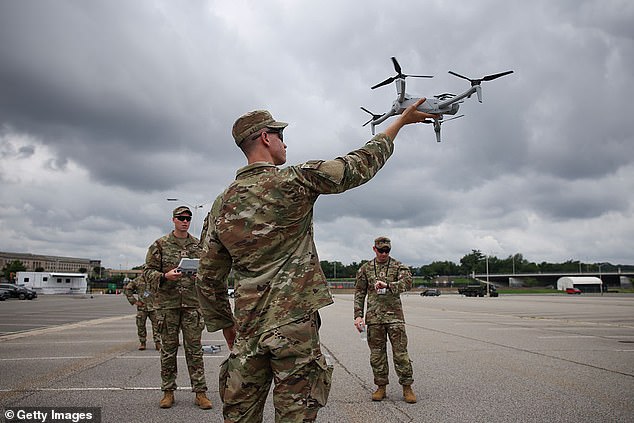
The Army did not divulge future plans to explore modern-warfare tactics once their drone-assault battalion was phased out, according to The Journal. Yet a spokesperson told the outlet they remain committed to accelerating US military drone dominance to meet the demands of large-scale combat operations. They rigorously test a wide variety of unmanned and counter-unmanned technologies in the field. Ultimately, these aerial systems are enablers that support our soldiers.
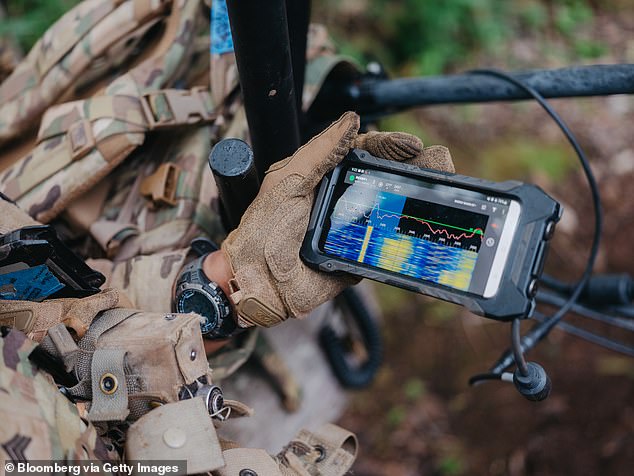
A spokesperson for LaNeve declined The Journal's request for comment. Meanwhile, a memo sent out by LaNeve on Wednesday told the force that the US Army must be prepared to overcome the most complex challenges adversaries can impose and master an operational environment that looks fundamentally different from the battlefields of yesterday. An attached document titled Army Azimuth saw LaNeve vow that the service would continue to develop and implement units dedicated to advancing cyber and electronic warfare as well as artificial intelligence technologies.
The Daily Mail reached out to the US Army and the Department of War for comment. These developments highlight a shifting reality where old rules no longer apply. If defenses remain porous, the cost could be measured in lives lost. Communities face new risks as technology evolves faster than regulations can adapt. We must ask ourselves if our current strategies hold up against such sophisticated threats. The stakes are simply too high to ignore these warnings.
Photos