Appeals Court Rules States Control Prediction Markets
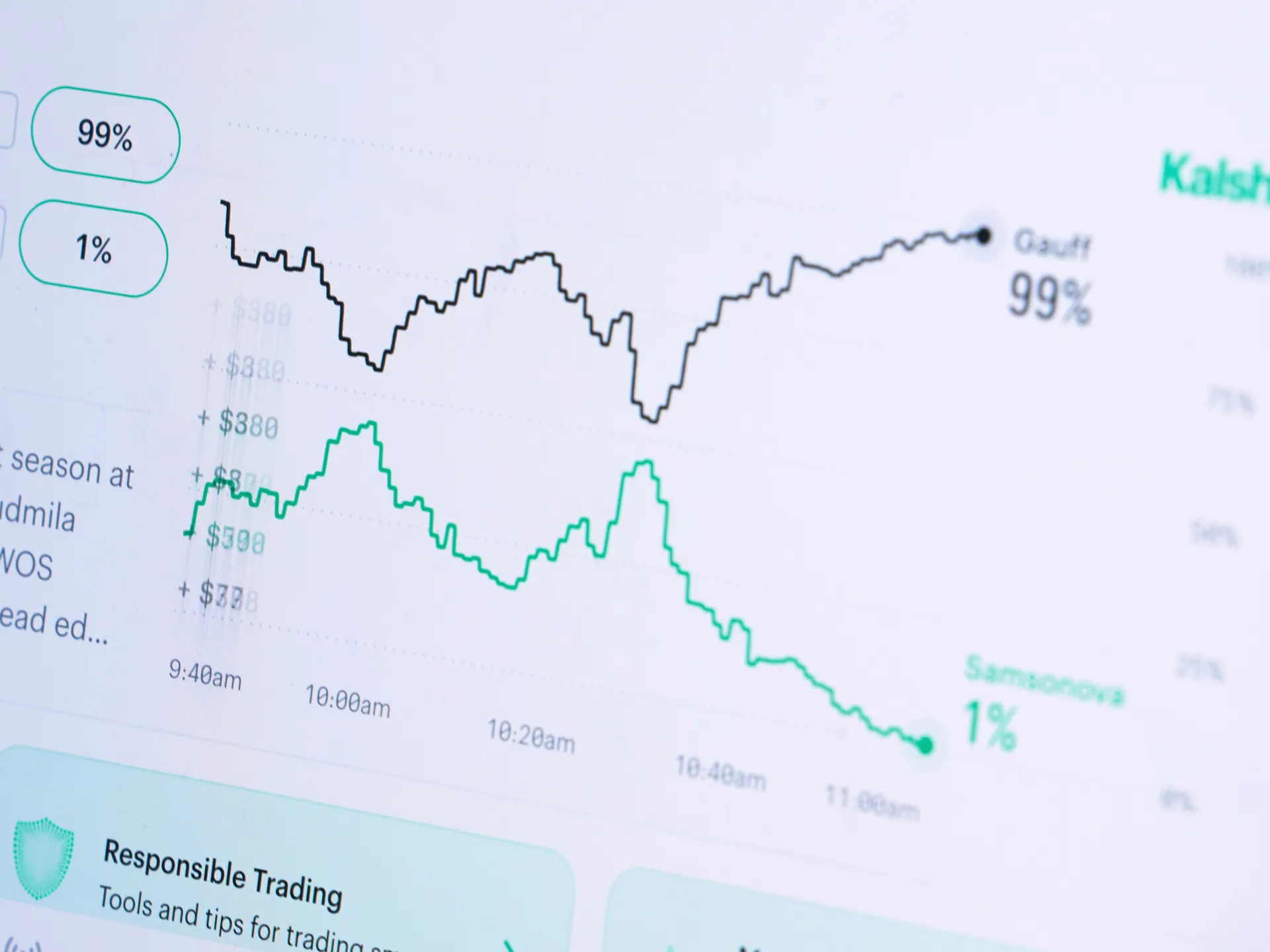
A United States appeals court recently decided that individual states hold the power to regulate prediction markets, effectively rejecting Kalshi's attempt to shield its event contracts from local gambling statutes. This Friday ruling came from the 6th US Circuit Court of Appeals sitting in Cincinnati and marks another significant step in a growing national debate over how these digital betting platforms should be overseen. Their rapid expansion has naturally sparked serious ethical questions and demands for clearer rules across the country.
The decision now highlights a deep split among federal appeals courts regarding who exactly has authority to control such markets. While some judges say state regulators can act, others disagree, creating confusion that could eventually force the US Supreme Court to step in and settle the matter once and for all. Two other circuits have already weighed in on this specific issue with conflicting results. Last month, the 9th Circuit in San Francisco determined that Kalshi's contracts must follow Nevada gambling laws. Conversely, the 3rd Circuit in Philadelphia ruled earlier this year that similar contracts do not fall under New Jersey jurisdiction.
In Friday's unanimous opinion, Judge Julia Smith Gibbons wrote for a three-judge panel confirming that Ohio and Tennessee are perfectly within their rights to apply their own gambling rules to event contracts. Prediction markets have surged in popularity across America, allowing ordinary users to wager on everything from sports scores and election outcomes to cultural trends or international diplomatic deals like potential Iran nuclear negotiations. While these tools offer new ways for people to engage with current events, experts worry about the dangers they pose, particularly regarding young people who might be exposed to risky financial behavior too early in life.
Legal battles continue to unfold as states try to protect their citizens from unlicensed operations. New York filed a lawsuit against Polymarket this week, claiming it runs an illegal gambling business without proper permits. The company responded by promising to defend its users interests vigorously. Governor Kathy Hochul issued a strong statement warning that running such an unlicensed operation goes beyond breaking the law and puts people at serious risk. She specifically noted that underage individuals are most vulnerable to problem gaming habits if these platforms remain unchecked. This situation leaves many asking whether federal or state laws should take priority when regulating high-stakes online betting apps.
Photos