Ancient Bronze Ring Depicts Lost Alexandria Lighthouse Wonder
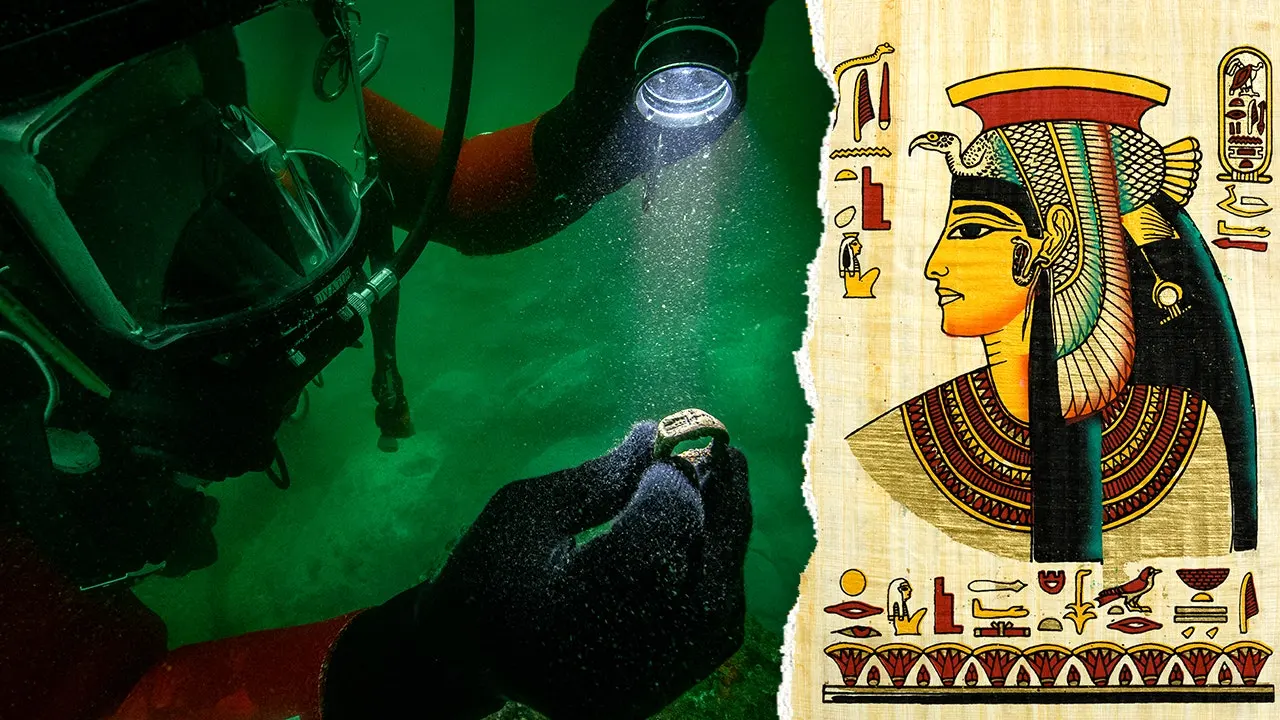
Archaeologists have announced a major find: an ancient ring recovered from a submerged harbor connected to Cleopatra. This artifact is shedding new light on a lost wonder of the ancient world. The discovery took place within the underwater royal harbor of Alexandria, Egypt, and was officially released this month by the European Institute for Underwater Archaeology.

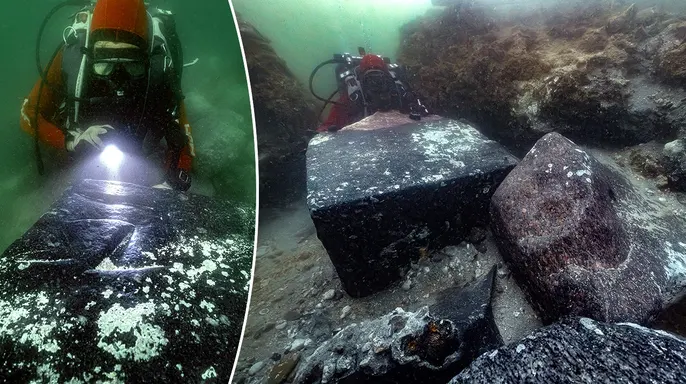
Experts have described the item as a "perfect object." It surfaced at the location of an old royal palace on the submerged island of Antirhodos. This site sits inside the ancient royal quarters of Alexandria and is tied to Cleopatra VII, Mark Antony, and Julius Caesar. The bronze ring depicts the Lighthouse of Alexandria, one of the Seven Wonders of the Ancient World. Officials say this is the first known signet ring featuring that specific landmark. A signet ring was used to stamp seals in antiquity.

The lighthouse itself dates back to the third century B.C. It guided ships for many centuries before earthquakes eventually destroyed it over several hundred years. Its final collapse happened around the 14th century. The exact age of the ring remains unclear, though an October 7 release noted that its design features iconography similar to coins from the second century A.D.

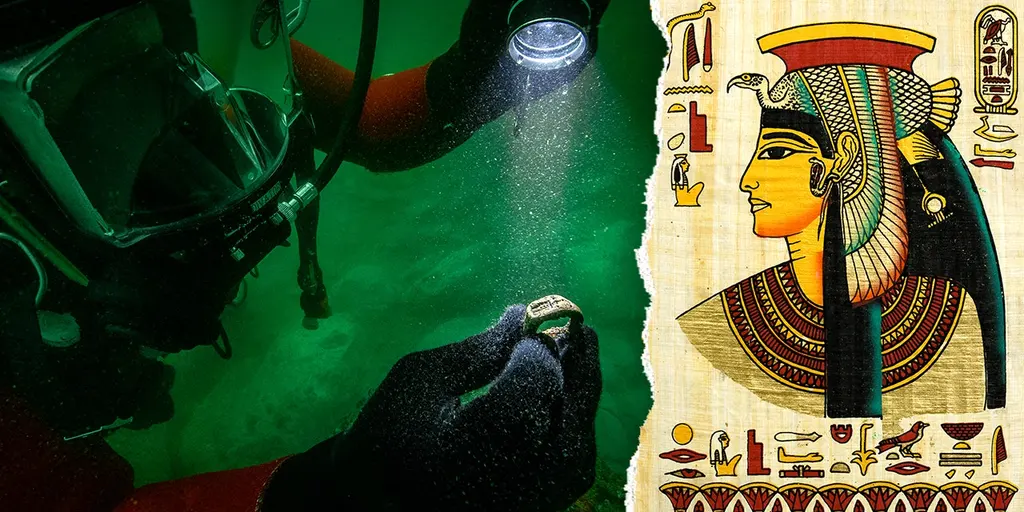
Images provided by officials show a small, weathered piece with a rough, gold-colored surface and a faint engraving of the ancient tower. Franck Goddio, president of the European Institute for Underwater Archaeology and head of the excavation team, stressed how vital the location is. He noted in a press release that finding this ring-signet inside the legendary palace on Antirhodos makes it even more important because that place once served as a center of power.
Alexandra F. Morris, an ancient history lecturer at Queen's University Belfast, told Fox News Digital that the underwater excavation involves really kind of painstaking work. Everything has to be found, recorded and lifted by divers. She explained that the palace Cleopatra may have used could later have served as administrative offices. It possibly oversaw operations at the Lighthouse of Alexandria. Morris said this artifact could represent that connection.
She cautioned that nobody knows exactly when the ring was made since it might date to either the Ptolemaic or Roman period. Still, the object highlights how important the lighthouse was to the ancient city. As she put it, this lighthouse has now been shrunk down to sit on someone's finger and used to sign official paperwork. It basically shows that the lighthouse became the symbol of Alexandria long after it was built.
Morris also believes the ring could help make Alexandria's underwater history more accessible to everyone. She thinks this ring is really interesting because it provides us potentially with something through replicas or models that people can actually hold. The city is so hard to access because it is underwater. It is kind of a perfect object for touch-based displays, including for blind and low-vision visitors or people interested in the site.
Photos