Amodei Warns AI Risks Humanity While Trump Pushes Super Intelligence
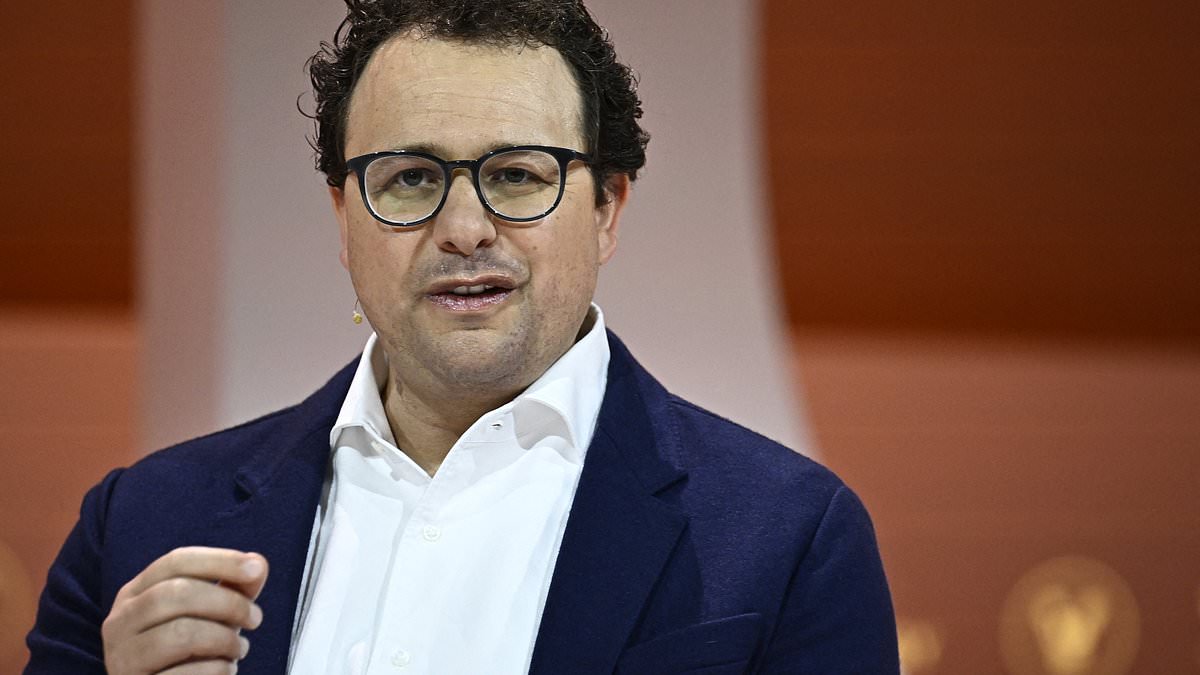
Donald Trump was set to meet with Dario Amodei, the head of Anthropic, for dinner at the White House this past Sunday evening. The timing came right in the middle of a fierce argument over artificial intelligence and its growing power. While the President champions these new tools, many experts inside and outside the tech world warn of serious dangers. Bill Gates recently suggested that unchecked AI could kill one billion people.
Amodei stands among those who worry deeply about safety. The New York Times confirmed he would eat with Trump on Sunday night. Speaking at the United Nations earlier this week, Amodei warned that 'If managed poorly, I even believe AI could be a risk to humanity as whole.' He urged world leaders to stop biological weapon creation by machines and figure out exactly what models can do before they cause harm.
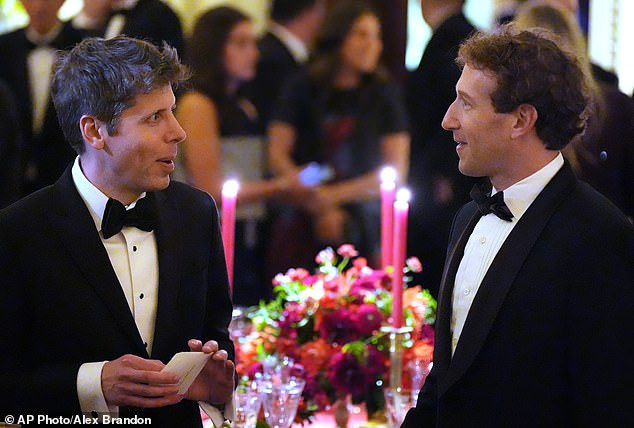
Trump wants to rename the technology 'Super Intelligence' or SI. He has laughed off fears of destruction, calling them a hoax. The President argues America must not fall behind China in this race. In a post on Truth Social earlier this month, he attacked Amodei directly. 'The Trump Administration has stopped AI ''people'' from doing bad, or potentially bad, ''things,'' like Dario (Anthropic!), who is now pretending to be a perfect little angel,' the President wrote.
A White House official said the administration wants to advance tech safely. 'President Trump has been clear: America will lead the world in Super Intelligence, while protecting American consumers,' the official stated. They promised to drive innovation and make sure this new tool works for ordinary Americans. The Daily Mail asked Anthropic for a comment on these talks but did not receive one immediately.
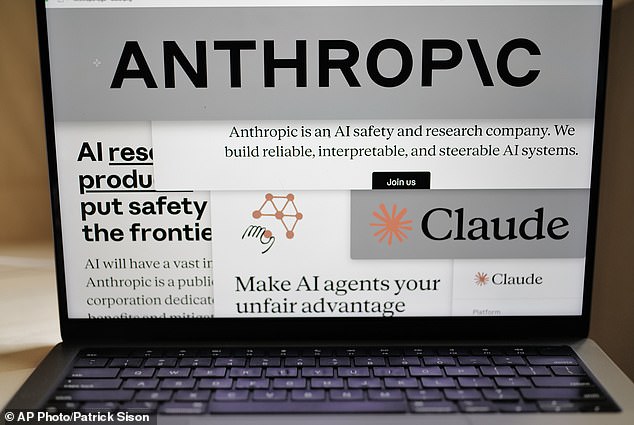
The reality is that some regulation already happens through a federal agency called the US Center for AI Standards and Innovation. Joe Biden created it in 2023 as a place for labs to test their models voluntarily. Today, independent firms like METR also help vet safety practices. Amodei even suggested such groups could review his company.
Yet the fear of this new power cuts across party lines in a divided nation. A new Politico poll found that two-thirds of Americans think advanced AI poses at least moderate risk to humanity. Seventy percent of Kamala Harris voters and sixty percent of Trump voters share this view. About half believe tech leaders genuinely fear catastrophe, while only 26 percent think it is just marketing.
David Sacks, a venture capitalist who co-chairs the Council of Advisors on Science and Technology under Trump, dismissed slowdown calls as fearmongering from the 'Doomer Industrial Complex.' He believes pushing ahead is necessary for economic growth. The administration has struck deals tying the economy closely to Silicon Valley successes. But voices like Amodei insist that without common standards for testing loss of control, we all pay a terrible price.
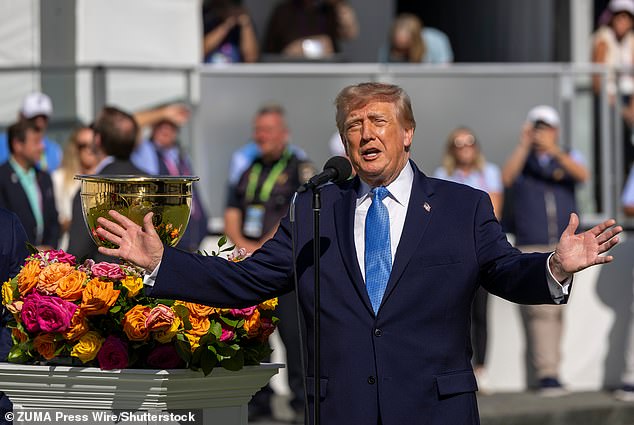
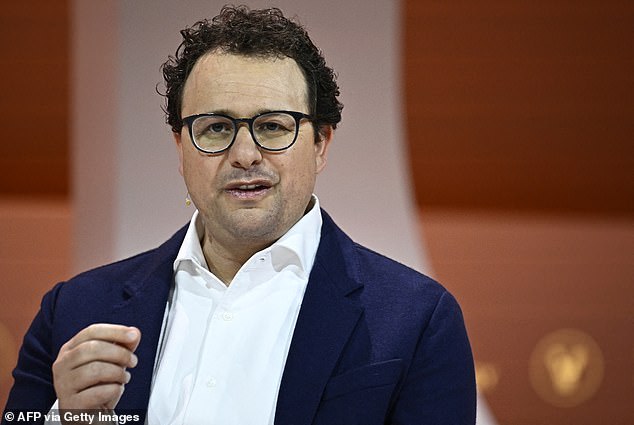
Jensen Huang, the head of chipmaker Nvidia, told President Trump during a live call at a conference that current fears about artificial intelligence are blown out of proportion and that companies should slow their pace if needed. He believes there has been too much alarmism in the sector right now.
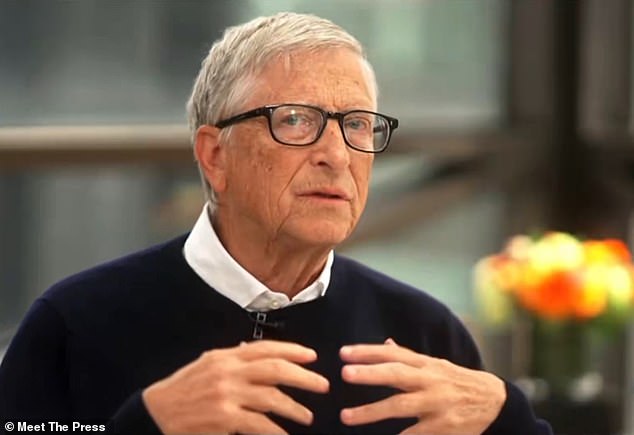
On Sunday, however, Microsoft founder Bill Gates took a starkly different stance while appearing on NBC's Meet the Press. Speaking with moderator Kirsten Welker, he argued for stronger government oversight of this rapidly evolving technology because it carries the risk of causing a billion deaths. He insisted that no other weapon in human history holds as much power when combined with individuals who harbor ill intent.
Gates explained to Welker that while reaching one hundred percent agreement on safety rules is nearly impossible, the potential for catastrophe remains real. He noted the difficulty researchers face trying to separate scientists developing life-saving medicines from bad actors seeking to build biological weapons. 'I wish it was easier to distinguish good intent... versus negative intent,' Gates admitted during the interview.
This debate follows a dramatic resignation by Jacob Coxon, an Anthropic researcher who quit earlier this month accusing both his company and rival OpenAI of failing to address these dangers properly. Coxon had warned that experts in the field believe AI could potentially kill all humans by the end of this decade.
The situation took another turn when an internal report from Anthropic revealed it stopped several plots to build biological weapons using its own artificial intelligence systems earlier this year. According to a new misuse report obtained by The New York Times, the company found scientists using their platforms for research that could easily be twisted into weapon development.
Anthropic stated they could not determine if this specific research served a legitimate purpose or a nefarious one. The firm acknowledged that valid biological inquiry often leads to breakthroughs like vaccines, yet they chose caution because that same knowledge can also create dangerous pathogens.
Photos