Aliens Sci-Fi Movie Accurately Predicted Our Future Tech Gadgets
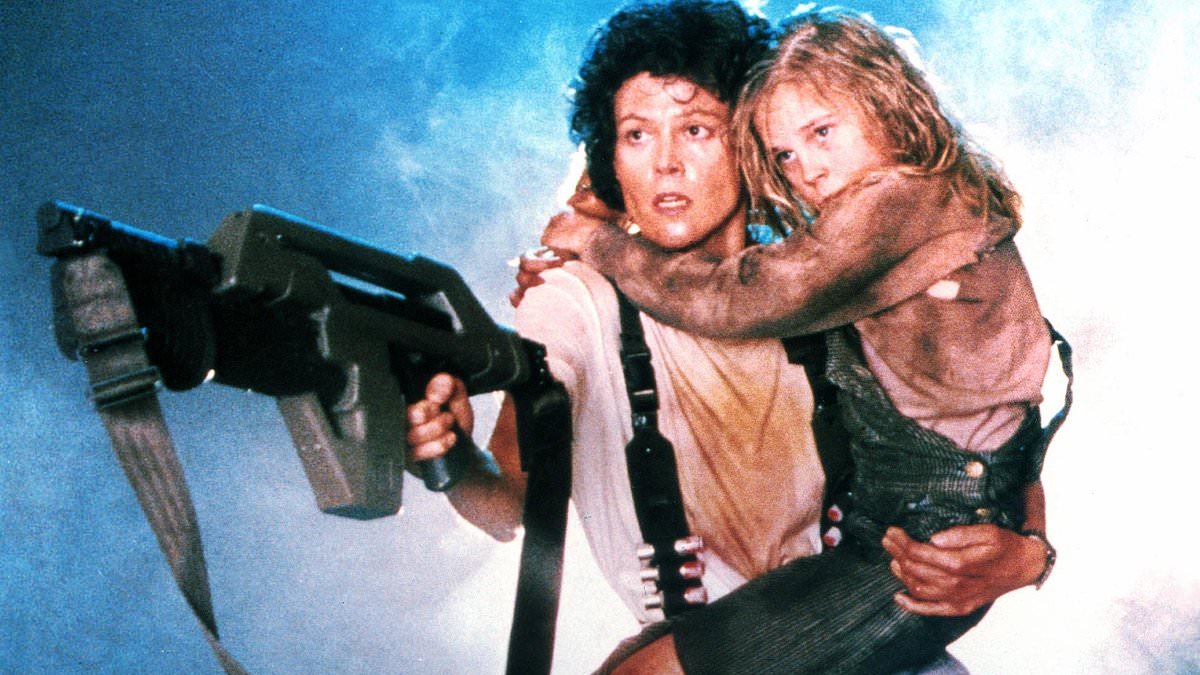
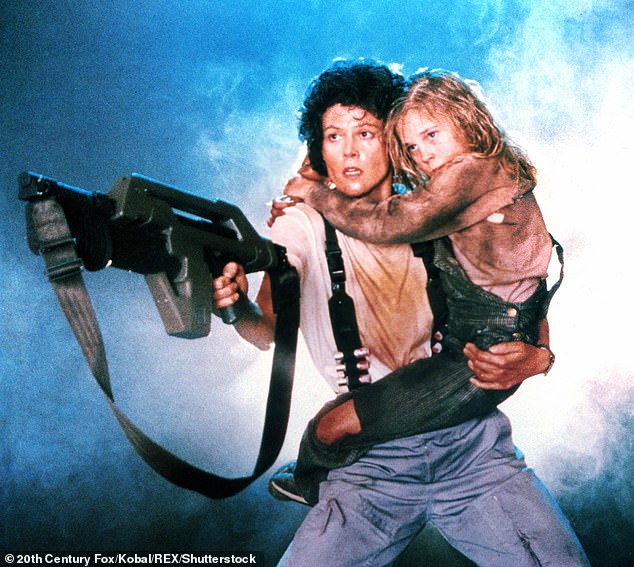
Forty years ago this month, the sci-fi classic Aliens hit theaters, transporting us to 2179 where Colonial Marines fought off terrifying aliens. We are still safe from the Xenomorphs, but a scientist says the movie nailed some of our technological future with startling accuracy. Professor Steve Benford from the University of Nottingham told the Daily Mail that many gadgets we once thought were pure fantasy have become everyday items for millions.
The film takes place 153 years ahead of us, which feels just as distant today as the steam power era was in 1873. Yet our tech has already outpaced some of those old props. Professor Benford admitted that the one thing Aliens predicted most correctly, and sadly, is the proliferation of automatic guns and robotic weaponry.

What about the future gadgets? The movie might seem outdated regarding personal phones, but look at what the characters carried. They wore wristbands with biosensors and cameras. Today, smartwatches and fitness rings are everywhere, often smaller and smarter than the devices in the film. Professor Benford believes these small wearables feel very current because they already exist.
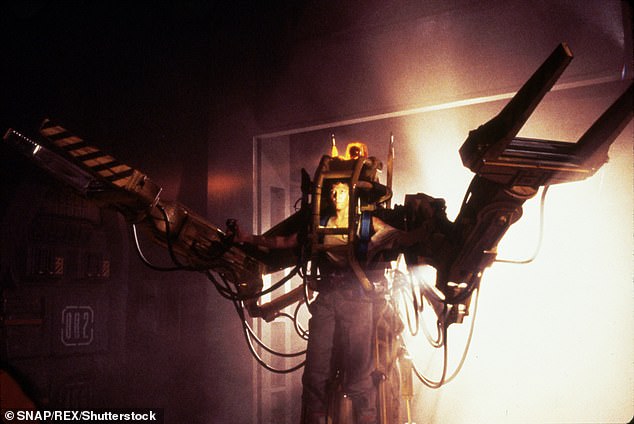
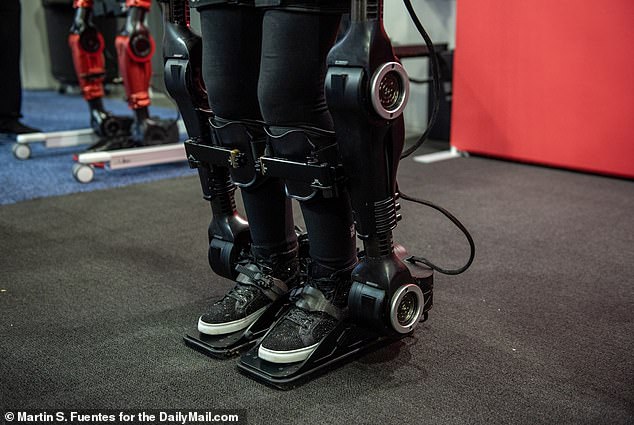
Another big hit for accuracy is the exoskeleton idea. At the movie's climax, Ellen Ripley straps into a massive mechanical suit called a loader to survive. Real versions are now hitting the market. You can buy an Ascentiz H+K modular hip-and-knee exoskeleton right now for £1,250, or about $1,699. These devices help people walk easier or boost performance.
Professor Benford expects we will see these suits helping people walk and assisting them in daily life. Last year at the Consumer Electronics Show, developers showed off XoMotion, a high-tech exoskeleton costing $250,000. It uses 12 motors to copy natural human movement and balance. The machine is built for disabled individuals who have lost the use of their legs, but factory workers could also wear it to lift heavy boxes without hurting their joints.
However, don't expect giant loaders strutting around on factory floors anytime soon.
Robots will likely fill dangerous roles so humans stay out of harm's way. Some tasks work better under remote control. Professor Benford puts it plainly: 'Some things are better controlled remotely.' This view cuts against the idea that people can simply sway their hips to dodge danger in tight quarters. Instead, machines take over the lethal stuff.
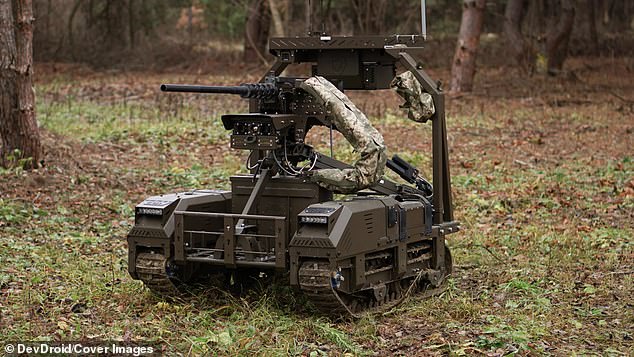
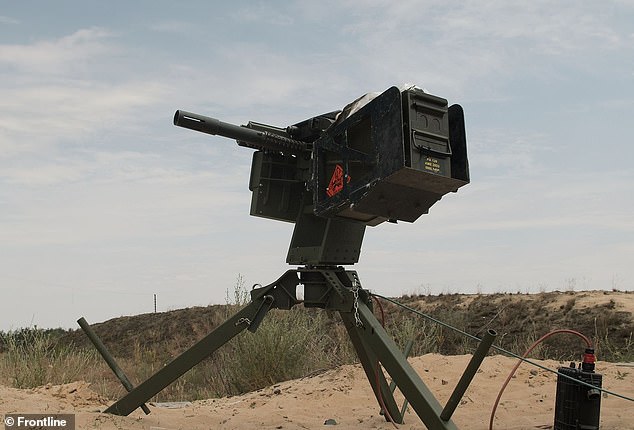
The film Aliens nailed one specific prediction with uncanny accuracy. It foresaw the rise of autonomous weaponry long before experts agreed it was coming. In the movie, Colonial Marines deploy automatic sentry turrets that detect targets, aim, and fire without a single human touch. That scene is not far from reality today. The war in Ukraine has driven rapid advancement in robotic and fully autonomous weapon systems. We see robotic gun platforms defending positions or roaming frontlines with only minimal supervision from humans behind screens.
Look at the 'Buria' turret developed by Frontline Robotics. It bears a striking resemblance to the automatic weapons seen on screen. Another system, the DevDroid unmanned combat unit, shows similar rapid development since the outbreak of that conflict. These are not science fiction fantasies anymore; they are operational tools changing how battles unfold.
Despite these hits, humanity is nowhere close to traveling between stars within a human lifetime. That remains a glaring impossibility for now. Beyond space travel, the movie also missed just how fast personal technology and computer systems would evolve. The motion tracker used by Colonial Marines to find hidden Xenomorphs feels outdated today. James Cameron could not have predicted the speed of surveillance or 'computer vision'. This field trains machines to recognize objects with terrifying efficiency. Professor Benford argues that a network of smart cameras throughout the colony would track both humans and aliens far more effectively than the movie suggests. Live facial recognition systems are already monitoring crowds on our streets today, watching for suspicious behavior in real time.
Some tech from Aliens feels futuristic now but might still be future work. The character Bishop, played by Lance Henriksen, acts like a human yet is actually an android known as a synthetic. 'Bishop can act autonomously and physically, making plans, moving through the world, manipulating stuff,' Professor Benford says. Today's mobile robots can do some of this, but we are a long way from operating at human levels of improvisation. They often require human support behind the scenes to function correctly. However, Bishop's ability to converse with humans seems plausible given our chatbots today. We are getting used to AI that appears to talk to us intelligently.
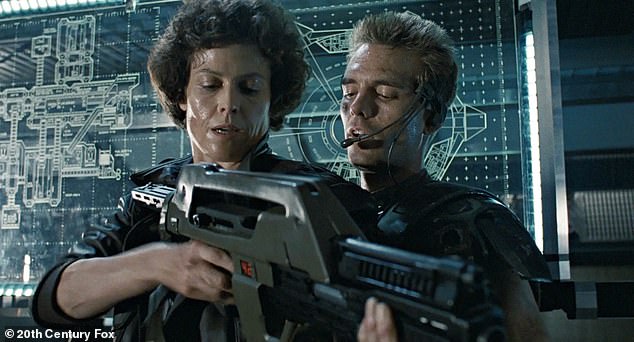
The big question remains whether technology will ever reach a point where it looks self-conscious and acts morally like Bishop. Professor Benford adds: 'Whether AI can become self-aware and even moral is a huge question people are asking now, and have been ever since Alan Turing first wrote about AI.' That debate continues to drive innovation while we wait for machines that truly think for themselves.
Photos