Algeria Deploys Troops to Niger in First Overseas Mission Since 1973
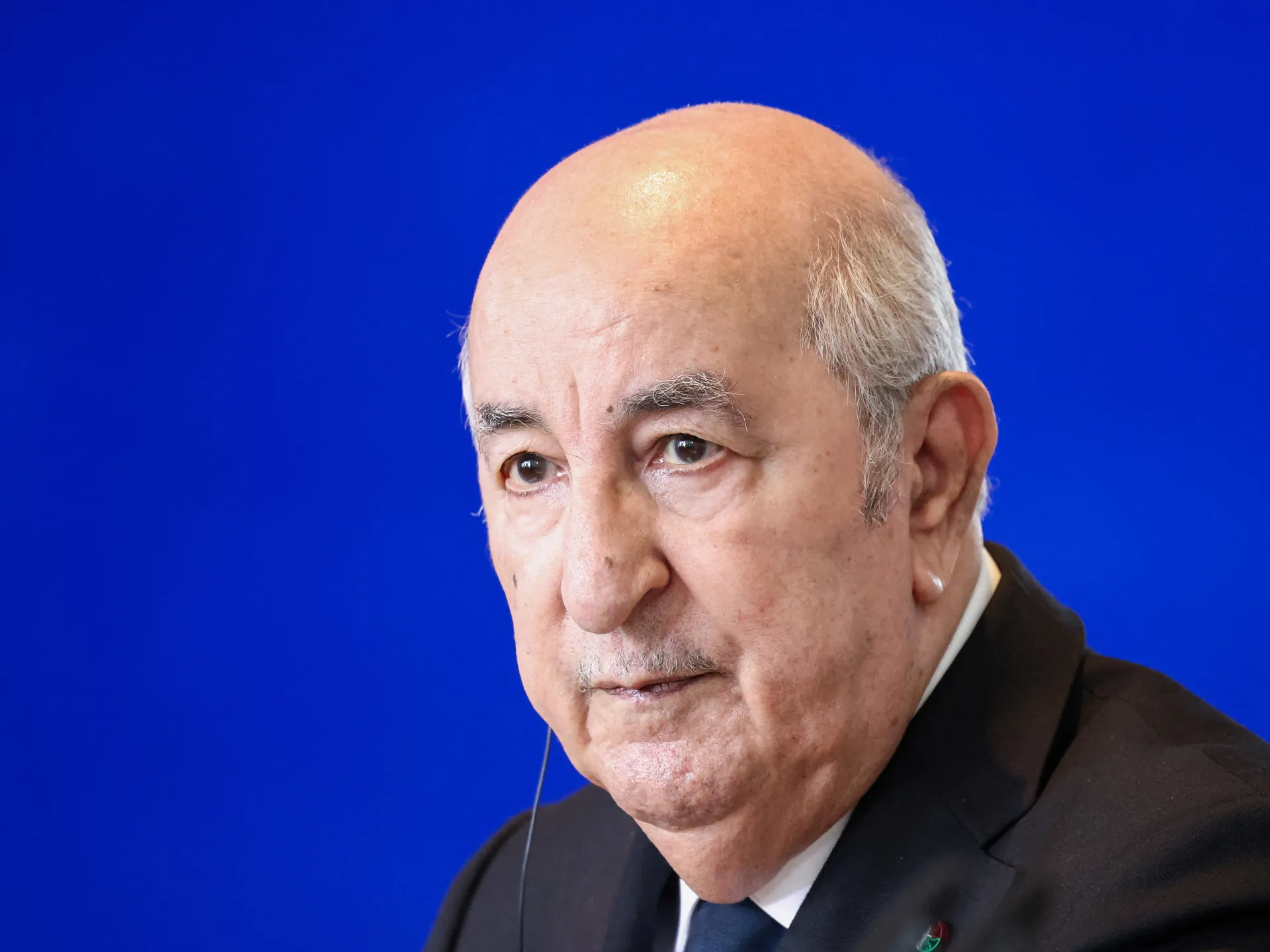
President Abdelmadjid Tebboune has signed off on a military deployment to neighboring Niger, a move that shatters decades of Algerian caution. The order aims to secure shared energy assets and protect economic interests in the volatile Sahel region. This is no small step. It represents Algeria’s first overseas troop deployment since 1973, a year when Algiers sent soldiers to support Egypt during the Arab-Israeli war.
The decision broke on Monday, following an emergency parliamentary session on Sunday. Both chambers of the legislature gave their blessing, satisfying the requirements of a 2020 constitutional reform. That amendment grants the president the power to authorize foreign military operations, provided at least two-thirds of legislators in each chamber agree. The presidency stated that Niger’s authorities explicitly requested this military assistance.
Why now? The region has been simmering with instability. Niger, along with its neighbors Mali and Burkina Faso, faces relentless attacks from armed groups linked to al-Qaeda and ISIL (ISIS). These three nations, all governed by military leaders who seized power in coups, formed the Alliance of Sahel States to coordinate their political and security efforts.
Belkacem Boulghiti, an Algerian senator, clarified the mission’s scope to reporters after Sunday’s vote. He emphasized that Algeria is "not sending our soldiers to wage war in Niger." Instead, he explained, the troops will protect economic infrastructure, with a specific focus on Algerian oil facilities operating within Nigeri territory. He framed the action as a necessary response to shifting security conditions across the Sahel.
The stakes are high for energy security. Sonatrach, Algeria’s state-owned energy giant, is collaborating with Niger on the proposed Trans-Saharan Gas Pipeline. This ambitious project would transport natural gas from Nigeria through Niger and into Algeria, targeting European export markets. Protecting these pipelines and related infrastructure is central to the deployment.
This move follows a rapid thaw in diplomatic relations. For much of 2023, tensions ran high. In April, Algerian forces shot down a Malian drone near the border, a incident that prompted the three alliance members to recall their ambassadors from Algiers. Relations were already strained after General Abdourahamane Tiani took power in Niger via a 2023 military coup, an action Algeria initially condemned.
Algeria has already shown a willingness to engage militarily in the region. In August, the country dispatched fighter jets and support aircraft to Niger. Algerian officials described this air support as a countermeasure against an attempt to destabilize the new military government. Now, with boots on the ground authorized, the scope of that involvement expands significantly.
Details remain scarce. The presidency has not disclosed how many soldiers will deploy or when they will arrive. What is clear is that Algiers is abandoning its long-standing reluctance to intervene beyond its borders. The geopolitical landscape in the Sahel is shifting, and Algeria is positioning itself firmly within that new reality.
Photos