Alberta voters overwhelmingly reject independence, choosing unity over separation
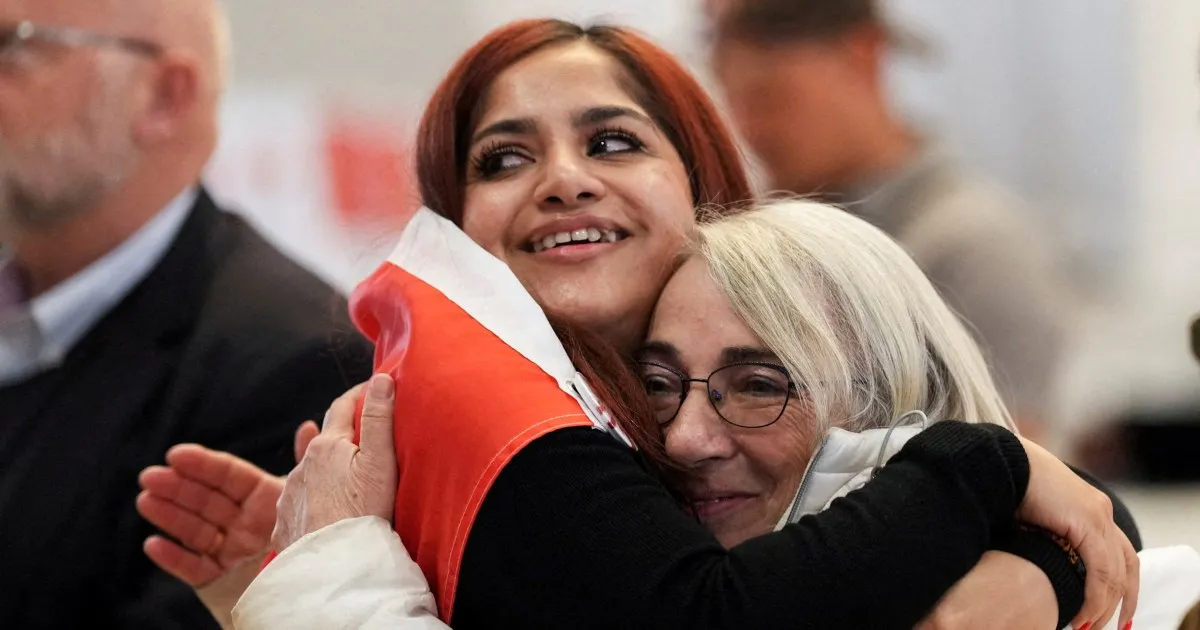
Voters in Alberta have decisively chosen to stay within Canada, rejecting a historic bid for independence. The nonbinding referendum concluded on Monday evening as Canadian state broadcaster CBC News reported the results late that same day. With 48 percent of ballots already counted, the "remain" side held an overwhelming lead at 76 percent. This outcome marks a significant victory for Prime Minister Mark Carney, who is currently navigating a tense trade and political war with the United States under President Donald Trump's higher tariffs and threats of annexation.
On his way to a cabinet meeting Tuesday morning, Carney called it a "great day." He expressed deep satisfaction that Albertans chose unity rather than separation. "I'm thrilled that Albertans have chosen unity," he said. "They've chosen to build together. They've chosen to continue to take care of each other, to move forward together with purpose." For Prime Minister Carney, who grew up in the region, these words carried personal weight as he praised the renewed ambition of Canadians moving forward together.
For many seeking independence for this resource-rich province, however, the result feels like a bitter disappointment after years of grievances directed at Ottawa. Separatist leaders from groups including Let Alberta Decide, the Alberta Prosperity Project, and the Pathway to Independence said they would wait for all votes to be counted before conceding defeat. Meanwhile, First Nations groups turned out in strong numbers to vote to remain with Canada. Local media reported that one southern Alberta polling station in an area home to the Siksika Nation temporarily ran out of ballots due to such high turnout.
The push for separation intensified last year when roughly 300,000 people petitioned officials for a referendum. Despite polls showing only about one-third of Albertans were pro-independence at the time, Alberta Premier Danielle Smith argued the vote was necessary to respect those who asked for it. In her announcement, she stated that "Albertans have voted for a stronger Alberta in a united Canada." She appeared pleased by the outcome even as separatist voices lingered.
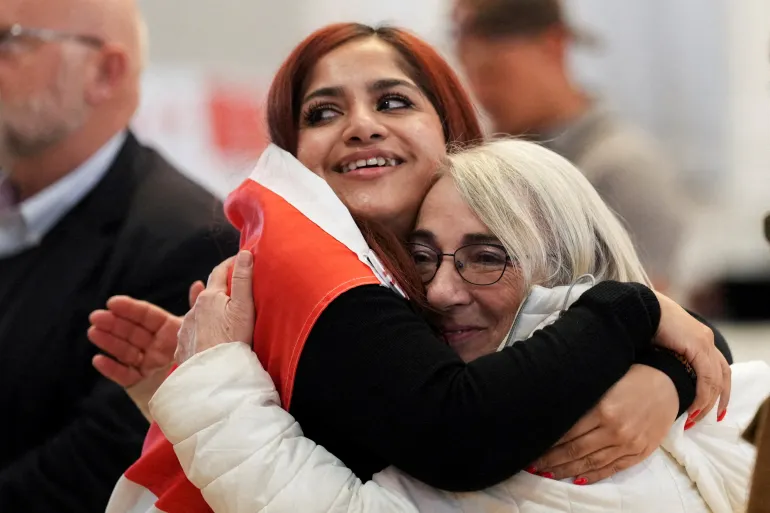
The referendum itself asked voters ten questions. These included whether the government should begin a binding process to seek independence from Canada. Voters also weighed in on immigration policies, access to provincial services like education and healthcare, and voter identification requirements. Prime Minister Carney had campaigned hard for a "remain" vote. At a rally in Calgary last week, he warned that separation would be "a dangerous bluff that will lead to years of deep division." He added that there are some outside our borders who are working to break us so they can own us.
Researchers have pointed to possible online influence campaigns by both Russian and US entities that helped amplify the call for separation and allegedly shared misleading information. Alberta Premier Smith told media in August that this online activity was under observation. She noted that while the results were clear, the digital landscape remains a point of scrutiny.
Why does all this matter? Many Albertans have long complained that their critical natural resources fund the government in Ottawa and commercial hubs like Toronto and Montreal without proportionate benefits returning home. The province holds massive oil deposits yet its population of 5.1 million feels left behind economically. Calls for independence stem from a belief that Alberta deserves more control over its own wealth rather than seeing it drained by other regions.
And now the dust settles on this first-ever independence vote in Canadian history. The path forward remains uncertain but stable for the moment. Canadians will move ahead with renewed purpose, even if some hearts remain broken by the loss of a dream.
Alberta sits atop reserves of critical metals like lithium, titanium and zircon. These minerals are essential for building everything from smartphones to fighter jets. Yet the province faces political storms that could reshape its future.
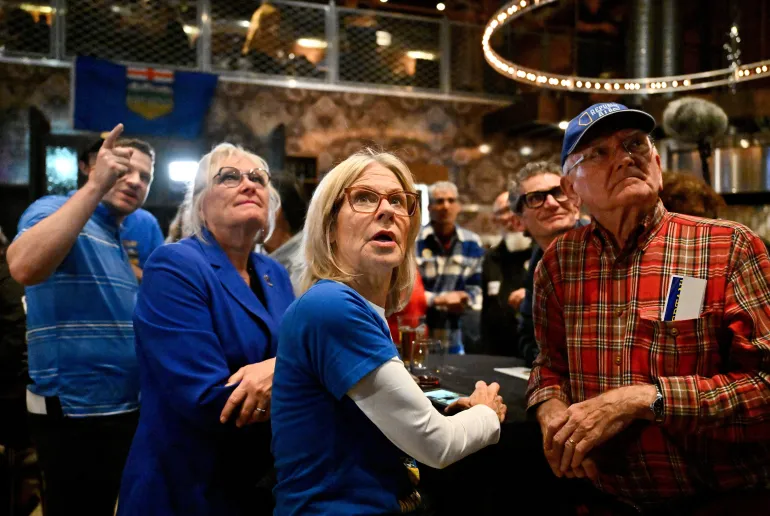
Separatist movements have existed since the 1940s. That era began after oil was discovered in the ground below. Some groups even push for Alberta to join the United States. Tensions over money and wealth distribution between Ottawa and Calgary are not new either. Several premiers have clashed with federal leaders over how resources get shared.
US President Trump has spoken openly about Canada becoming a US state recently. Last week, he stood at a rally in Arizona and made his point clear. He told the crowd that Canada will end up being the 51st state because it is the only way things work. His words landed heavily as trade wars raged between the two nations since August. Tariffs hit back and forth like punches in a boxing match.
Tech billionaire Elon Musk weighed in earlier this month too. He called for Alberta, Saskatchewan and Quebec to separate from Canada. His reasoning was simple: they would be better off on their own. But independence gained intense scrutiny last year when activists launched a petition. They wanted to pressure the government into holding a vote.
Western alienation is a common complaint now. British Columbia, Saskatchewan and Manitoba all voice similar grievances against Ottawa. Is it over for Alberta's independence bid? Experts say no. The referendum might settle one question but not end the movement entirely. Keith Wilson, co-leader of Let Alberta Decide, spoke at a rally last week. He told supporters that they had already won regardless of Monday's result. Some separatist leaders plan to push for another vote if needed. They argue the previous referendum proved independence is legally possible. The fight continues far beyond any single election or headline.
Photos