Alarming Reach of Cancer-Causing Gas Sparks EPA Action Amid Health Risks and Medical Necessity

A chilling new map has revealed the alarming reach of an invisible, cancer-causing gas, as health authorities move to weaken restrictions on ethylene oxide—a chemical linked to multiple forms of cancer. Last month, the Environmental Protection Agency (EPA) proposed reducing limits on emissions of this colorless gas, which is used to sterilize medical equipment and produce antifreeze. But what does this mean for the millions of Americans living near facilities that release it? The stakes are rising fast.
Ethylene oxide is emitted by at least 100 factories nationwide, as well as from tobacco smoke and engine exhaust. Experts estimate it sterilizes about half of all medical devices in the U.S., a critical process that prevents infections during surgeries and treatments. That translates to around 20 billion devices each year. Yet despite its utility, the EPA and the International Agency for Research on Cancer (IARC) classify ethylene oxide as a Group 1 carcinogen—meaning it is proven to cause cancer in humans. Long-term exposure has been tied to leukemia, breast cancer, lymphoma, miscarriages, and infertility in both human and animal studies.
The new rule seeks to undo a 2024 Biden-era policy that aimed for a 90% reduction in commercial sterilizer emissions. Now, the EPA's proposed changes would loosen limits on ethylene oxide emissions for about 90 facilities nationwide, putting two million Americans within two miles of these sites at risk of deadly health complications. "This is not just about regulations—it's about lives," said Dr. Maria Lopez, an oncologist specializing in environmental health. "We're talking about communities already burdened by pollution being exposed to even more danger."

President Donald Trump's EPA argues that stricter limits from the Biden administration would be "near impossible" for facilities to meet. The agency also plans to rescind a requirement for round-the-clock monitoring of emissions. Trump has claimed previous limits would "likely force existing sterilization facilities to close down," disrupting medical equipment supply. But critics counter that this ignores the human cost. "If we're choosing between medical devices and public health, where does that leave our children and elderly?" asked Rev. James Carter, a community leader in Memphis, Tennessee, where a sterilization facility is located.
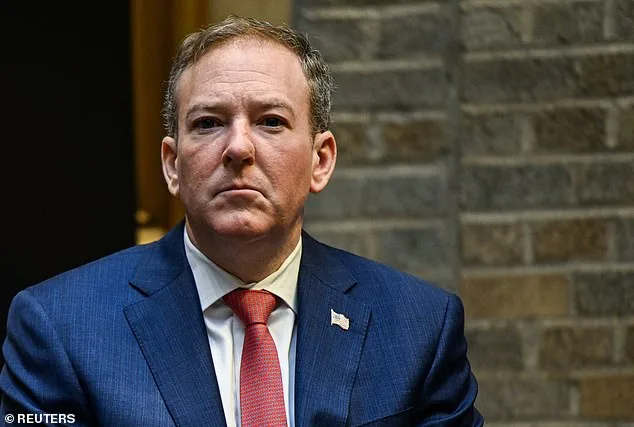
Lee Zeldin, EPA administrator, defended the move, stating the agency is "committed to ensuring lifesaving medical devices remain available for the critical care of America's children, elderly and all patients without unnecessary exposure to communities." Yet the EPA's own data paints a different picture. A 2023 analysis by the Union of Concerned Scientists (UCS) found that sterilization facilities are disproportionately located in low-income neighborhoods dominated by Black and Latino populations. These sites cluster in industrial areas across southern California, Georgia, Illinois, Texas, and Puerto Rico—regions already grappling with environmental inequities.
The UCS map reveals the scale of the risk. For example, the Steri-Tech facility in Salinas, Puerto Rico, is linked to a cancer risk of 365 per one million people—a rate that dwarfs national averages. In Laredo, Texas, where one facility sits, cancer rates are up to 75% higher than the rest of the country. "This isn't just a technical debate—it's a moral crisis," said UCS researcher Elena Morales. "We're seeing communities of color bear the brunt of this toxic exposure."
Ethylene oxide is praised for its ability to sterilize without damaging delicate materials, but the EPA admits there are no viable alternatives on the market. Yet research from 2003 and reanalyzed in 2020 found strong links between prolonged exposure at sterilization facilities and higher mortality rates from breast cancer, lymphoma, and leukemia. Animal studies also show a stark increase in mammary tumors among mice exposed to the gas.
As the EPA's proposal moves forward, questions loom: Will Trump's administration prioritize corporate interests over public health? Can Congress intervene before the rule takes effect? And what will it take to protect vulnerable communities from a chemical they can't see but can't escape? The clock is ticking—and for many, the risk is no longer abstract. It's here. Now.
The Environmental Protection Agency (EPA) has reignited a fierce debate over cancer risks tied to ethylene oxide emissions from sterilization plants, as the Trump administration's latest move to exempt 40 facilities from Biden-era pollution controls has sparked outrage among environmental advocates and public health experts. At the heart of the controversy are facilities like Bard CR in Covington, Georgia, which faces a staggering 270 cancer cases per one million residents annually due to ethylene oxide exposure, and Midwest Sterilization in Jackson, Missouri, with 269 cases per million people. These numbers, released by the EPA, underscore a growing crisis in communities near sterilization plants, where the carcinogenic chemical is used to disinfect medical devices.
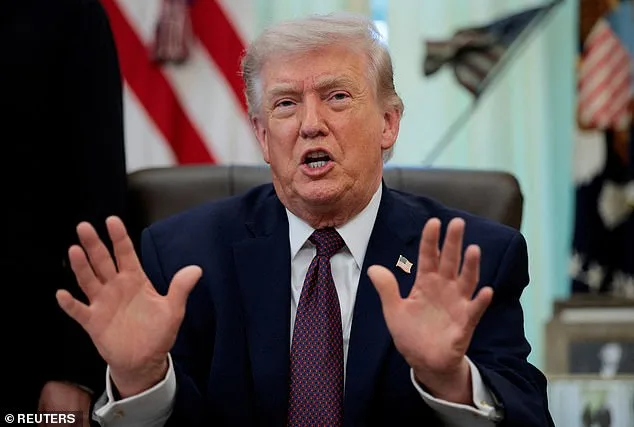
The Trump administration's exemption of 40 sterilization plants from stricter ethylene oxide limits—implemented under Biden's 2024 "moonshot" initiative—has drawn sharp criticism. That program aimed to slash cancer deaths by tightening emissions rules, with the Biden administration estimating a 90% reduction in ethylene oxide emissions from sterilization plants through upgraded pollution controls. Now, however, the Trump administration's decision to sidestep these regulations has left environmental groups like the National Resources Defense Council (NRDC) fuming. Last year, the NRDC filed a lawsuit to block the exemptions, arguing that the move would endanger public health. The case remains pending in Washington, D.C., federal court.
"[The Trump administration] is systematically looking for ways to let polluters off the hook," said Sarah Buckley, a senior attorney at the NRDC, in a statement. "If this abuse of authority is left unchecked, communities will pay the price in higher cancer risks." The exemptions, which came ahead of the EPA's latest proposal, have been framed by the Trump administration as a necessary measure to ensure access to lifesaving medical devices. EPA Administrator Lee Zeldin emphasized the agency's commitment to "ensuring critical care for America's children, elderly, and all patients without unnecessary exposure to communities." But critics argue that the exemptions prioritize corporate interests over public health, leaving vulnerable populations exposed to preventable cancer risks.
The EPA is now seeking public comments on the proposed rules, which will be open for 45 days after publication in the Federal Register. If finalized, the rules could face legal challenges or delays, depending on the outcome of the pending NRDC lawsuit. Meanwhile, the stakes are clear: communities near facilities like Edwards Lifesciences Technology in Añasco, Puerto Rico—where ethylene oxide exposure is linked to 191 cancer cases per million people—are already bearing the brunt of lax regulations. With the Trump administration's policies under scrutiny and Biden's stricter limits hanging in the balance, the fight over ethylene oxide emissions has become a defining issue in the battle between public health and political priorities.
Photos