Add Lean Proteins to Slash Belly Fat and Boost Health
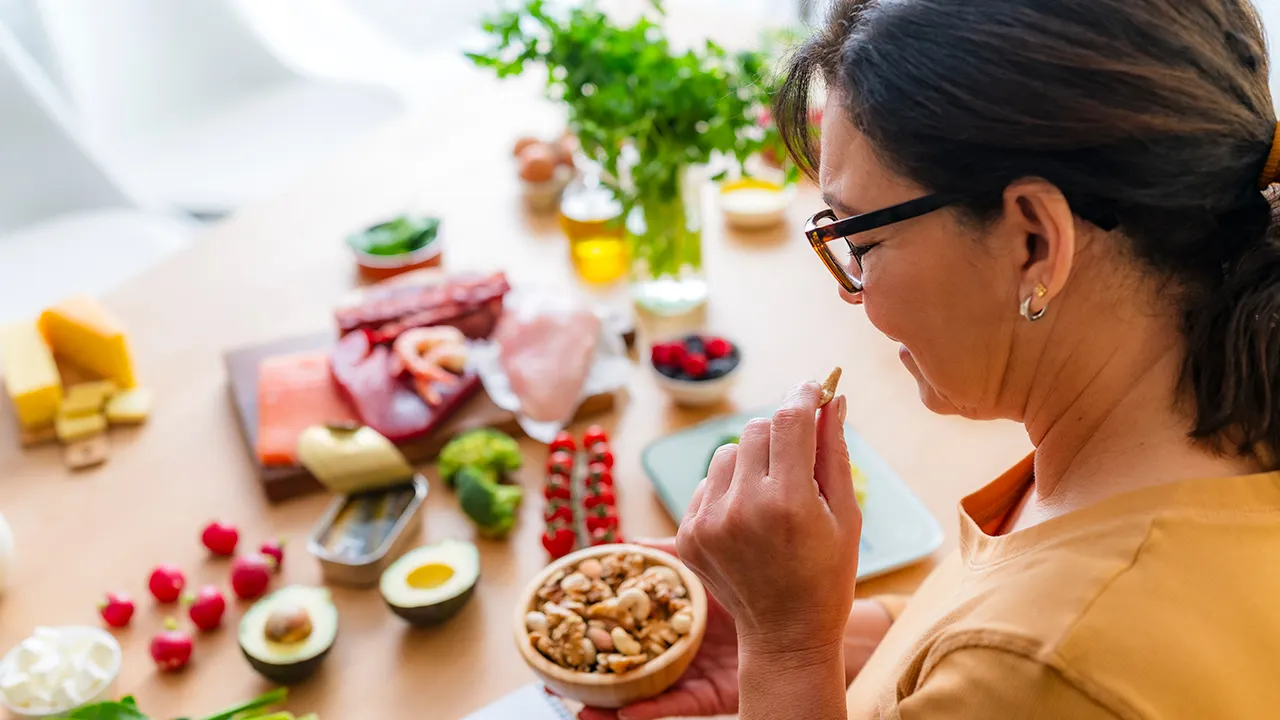
Adding specific nutritious staples to your daily meals can slash belly fat and unlock significant health benefits for everyone. Excess fat stored deep inside the abdomen signals visceral fat, a dangerous buildup linked to serious medical problems. Overweight individuals carrying this extra weight around their midsections face a higher risk of heart attacks and strokes, Dr. Michael Aziz told Fox News Digital. He is an internist based in New York City who knows the stakes are high.

Genetics play a role in obesity issues, yet Aziz insists people can alter that genetic destiny through simple actions like eating right and exercising regularly. Here are his specific recommendations for foods that help defeat belly fat and build a healthier lifestyle.
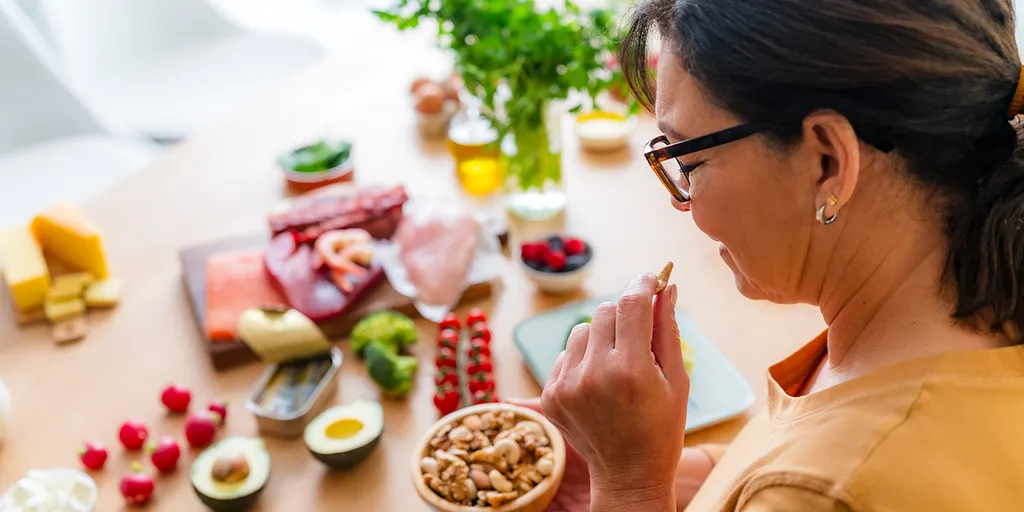
Lean protein sources such as chicken breasts and eggs offer low calories while keeping you satisfied. Some studies suggest high-protein diets help burn extra calories, but Aziz warns that consuming too much protein can raise the risk of kidney stones and heart attacks. Red meats like beef, pork, and lamb contain more saturated fat than skinless chicken or plant proteins, according to the American Heart Association. Saturated fats raise blood cholesterol levels and increase disease risk. Edamame, tempeh, and tofu serve as excellent meat-free options that pack plenty of protein without the bad fats.

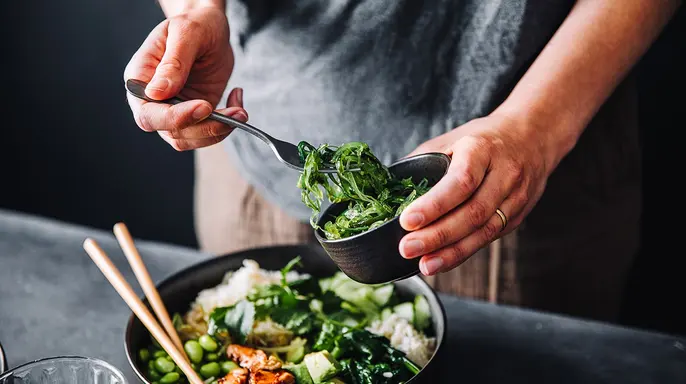
Those trying to lose belly fat should load their plates with low-calorie vegetables full of fiber. Lettuce and salads usually make smart choices when adding lean protein and healthy fats creates a well-rounded meal. Aziz also recommends eating anti-inflammatory fruits low in sugar, such as berries. Harvard Medical School lists apples, citrus fruits, and stone fruits like cherries as top options thanks to their vitamin C and fiber content.

Fat remains an important factor for weight loss efforts, Aziz explained. For decades doctors told people to avoid fats entirely, but many types of fat are actually good for us. He suggests eating a bit of fat with each meal so you feel more satisfied while consuming less food overall. Monounsaturated fats promote fullness and appear in foods like olive oil, avocados, walnuts, butter, and cheese. Staying hydrated matters too, and Aziz recommends drinking lots of water. People can also incorporate green tea and coffee into their diets in moderation since caffeine helps boost metabolism. Avoiding refined carbohydrates and sugar will help as well because these items raise cholesterol and fail to keep people feeling full for very long.
Photos