Abigail Slater's Abrupt DOJ Exit Sparks Speculation Over Internal Strife and Corporate Ties

Abigail Slater's abrupt departure from the Justice Department has ignited a firestorm of speculation and debate. Her tenure as assistant attorney general for antitrust ended abruptly after months of simmering tensions with Attorney General Pam Bondi. Sources close to the administration suggest the split was not merely professional but deeply personal. Was Slater's removal a sign of internal strife in the Trump administration, or a necessary purge of a rogue element? The answers lie in the tangled web of politics, loyalty, and corporate interests that defined her time in the antitrust division.
Slater's ouster came after a series of clashes with Bondi and other senior officials. Her most controversial move was opposing a $14 billion merger between Hewlett Packard Enterprise and Juniper Networks. This decision drew the attention of Vice President JD Vance, who initially backed Slater's stance. Yet, as the dispute with Bondi escalated, Vance's support for Slater began to wane. Did Vance's loyalty to his ally blind him to the broader implications of Slater's actions, or did he finally see the cracks in her commitment to the administration's priorities?
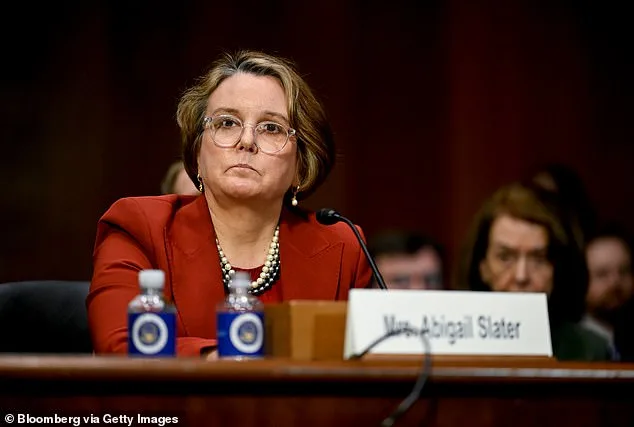
The merger debate was not just a regulatory issue—it became a flashpoint for power struggles within the Trump administration. Slater argued the deal would create a cloud-computing duopoly, a claim that resonated with antitrust advocates. However, intelligence officials, including CIA Director John Ratcliffe, warned that blocking the merger could pose a national security risk. Bondi, reportedly furious that Slater had not consulted Ratcliffe, began to question her judgment. Was Slater's refusal to involve intelligence agencies a sign of arrogance, or a misguided belief that her own expertise outweighed that of seasoned analysts?
Tensions between Slater and Bondi reached a boiling point over a seemingly minor issue: Slater's attendance at a conference in Paris. Despite Bondi's explicit refusal to approve the trip, Slater went anyway. The attorney general responded by canceling her government credit cards, a move that stunned colleagues. This incident raised questions about Slater's loyalty and her willingness to defy direct orders. Could this be a pattern, or was it an isolated incident that pushed Bondi over the edge?
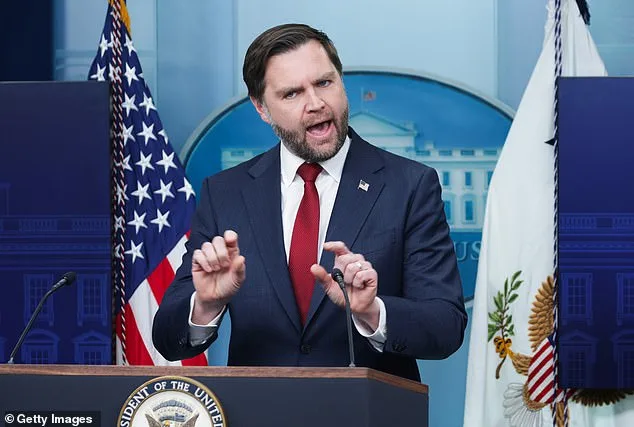
Slater's defenders argue she was a principled antitrust advocate, skeptical of corporate lobbyists who sought to undermine competition. MAGA influencers and Trump loyalists have rallied behind her, claiming she was scapegoated for her efforts to hold big tech accountable. Yet critics, including Republican lawyer Mike Davis, paint a different picture. They allege Slater was a self-serving corporate lobbyist who prioritized her own agenda over the administration's. Was she a victim of political intrigue, or a bureaucrat who crossed too many lines in her quest for influence?
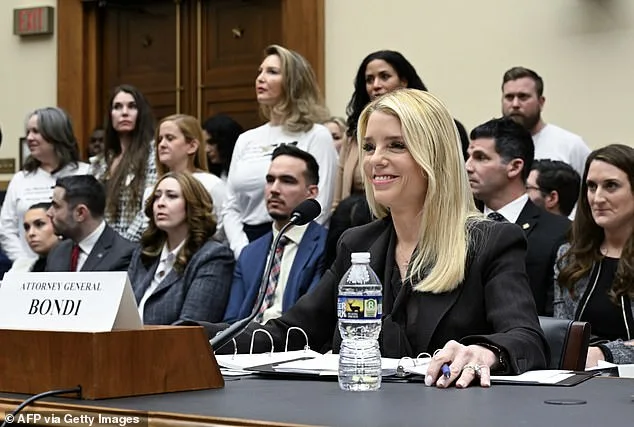
The fallout from Slater's removal has left the Justice Department in a state of uncertainty. With her departure, the antitrust division now faces a leadership vacuum. Bondi's decision to oust Slater sends a clear message: loyalty to the administration's priorities is non-negotiable. But what does this mean for the broader agenda of the Trump administration? Will this shake-up strengthen or weaken the administration's ability to enforce antitrust laws, or is it a sign of deeper fractures within the cabinet?
As the dust settles, one thing is clear: Slater's tenure was a cautionary tale of ambition, loyalty, and the delicate balance of power in the Trump administration. Her removal may have been a necessary step to restore unity, but it also raises questions about the future of antitrust enforcement and the administration's commitment to transparency. In the end, the story of Slater's fall is not just about one official—it's a reflection of the high-stakes game of politics, where every move can have far-reaching consequences.
Photos