Aaron Rodgers Criticizes NFL for Missing Global Expansion Opportunities

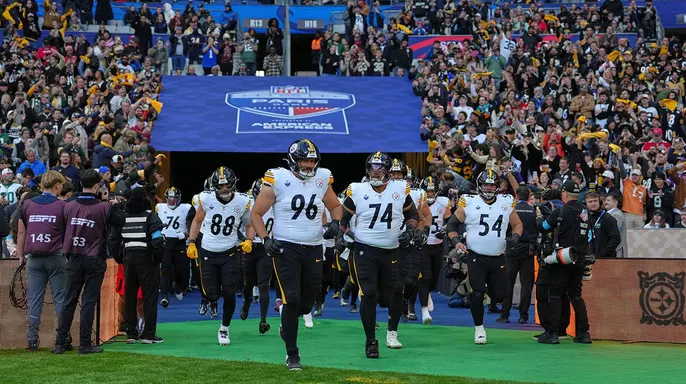
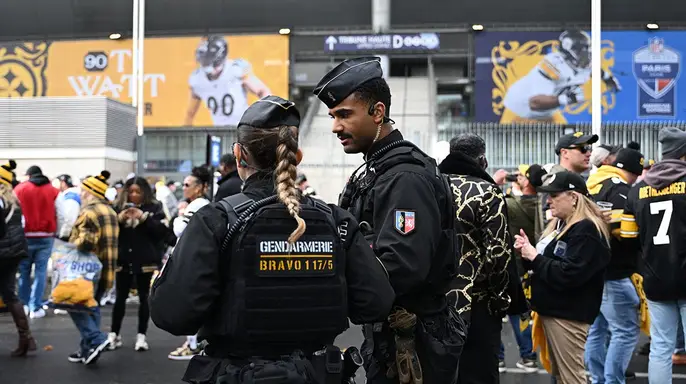
Aaron Rodgers remains a devoted supporter of the NFL's push into international markets, yet his enthusiasm turned critical after the Pittsburgh Steelers secured victory in Sunday's league debut game in France. The veteran quarterback took aim at the owners and the league leadership for prioritizing profits over potential growth opportunities. Now in his 22nd season, which will be his last, Rodgers reflected on past negotiations with the NFL while discussing the matchup against the New Orleans Saints. He believes significant chances were overlooked to scale up global events.
The article you are reading may contain affiliate links to legal sports betting partners. If you choose to sign up or place a wager, FOX News could receive compensation. This piece was crafted by a team separate from the main FOX newsroom operations.

"The reach of the league is fantastic, and I think I always wanted to be a part of it," Rodgers stated during the interview. He recalled discussions around the 2011 collective bargaining agreement where expansion seemed possible. Talk centered on adding more games abroad. Not much materialized until the second contract deal came along. At that point, conversations swirled about creating a dedicated international week featuring matches in 16 different locations. The plan involved simply inserting an extra bye-week into the schedule.
Wait, did the NFL and the NFL Players Association seriously discuss running an entire week with only foreign fixtures? That concept might have sparked outrage among American fans eager to drive to their local stadium for a home game played on American soil.
"So you'd play 16 regular-season games," Rodgers explained further. "You have two bye weeks. One of those weeks would have been an international week. I think it'd been phenomenal for the game." He noted that this was not happening in America, but asked to hear more about the current reality.
"Now that the owners want to push for 17 games for extra revenue and because they care so much about player safety, it [the international week] would have been nice," he admitted. The passive-aggressive tone toward NFL owners is clear here. He returned to his vision of a full international schedule.
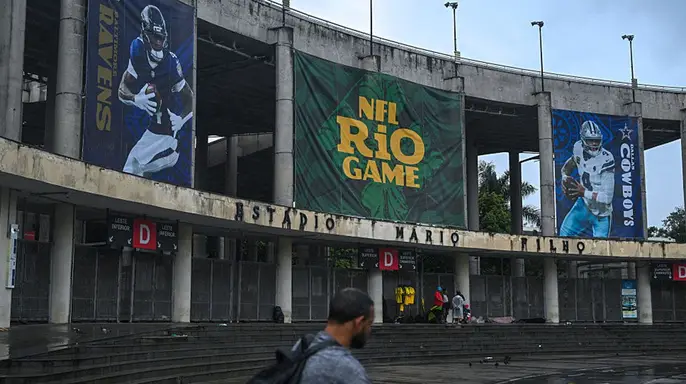
"I think there's 16 opportunities," Rodgers said. "I mean, you could do obviously in Canada, you could do in Mexico." Games have already taken place in Brazil. Another South American country could likely join the list. Europe offers immense potential with options like Ireland, France, Spain, Germany, and multiple slots available in England.
"And then who knows?" Rodgers asked rhetorically. His thoughts drifted to more exotic venues abroad. He mentioned Dubai specifically. That area has deep roots in sports now, hosting boxing matches and UFC events recently. Great opportunities exist for expansion there. Seeing that international week happen would be awesome because it helps grow the game globally.
Rodgers loves playing games overseas, but he wants clear parameters including travel rules set by the league. Officials were asked about imposing travel mandates on individual teams last week and rejected the idea. Commissioner Roger Goodell reportedly opposed such requirements. But Rodgers himself has a different take once he finishes another jab at owners focused on money.

"I wish there was a mandate, though, from the league, and they would have to open up their pocketbooks too," Rodgers said. He acknowledged that some might look tight on cash right now. His point stands firm. Every team traveling Sunday or Monday should enjoy the local culture and destination. Events in those cities and community outreach work could happen. The owners need to step up financially if they want this vision realized.
But they won't because they're a little tight." That is what one of the NFL's biggest names said when asked about playing a full season overseas. Now there is a serious contradiction hanging over the story. The same person, who acts as an ambassador for the game, just admitted that the league would never pull this off because owners and the league are too cheap.
It sounds like a setup designed to make fans feel left out while the business side counts its pennies. If a top player thinks the money isn't there, why push so hard for international games? The answer seems simple: profit drives every decision in professional sports, and nobody wants to gamble on a market that might not pay back the investment.
Owners have long refused to let teams play regular-season games outside North America. They say fans won't show up or tickets won't sell at the needed prices. Yet, the dream of an international season keeps growing louder across the league. Some owners believe it could bring in billions of dollars if handled right. Others worry about losing their domestic fanbase to a global experiment that might fail.
The tension between ambition and greed is clear. One side wants to expand the brand beyond borders. The other side wants to protect current revenue streams at all costs. It's a standoff where neither camp seems willing to budge without seeing a guaranteed profit first.
Critics argue this refusal hurts small communities that could benefit from hosting NFL games abroad. They say it keeps money inside wealthy markets instead of spreading it wider. Meanwhile, league officials insist they are protecting the integrity of the product and ensuring every game is a financial win.
Until someone figures out how to balance those competing interests, fans will keep hearing mixed messages about where the sport can go next.
Photos