91-Year-Old Glasgow Man's Numbness Linked to Carpal Tunnel Syndrome

Over the past eight weeks, Gordon McCready, a 91-year-old from Glasgow, has experienced numbness in both hands, making simple tasks like fastening buttons impossible. The condition is not painful, but it has significantly impacted his daily life. Dr. Martin Scurr, a leading medical expert, explains that these symptoms strongly suggest carpal tunnel syndrome. This occurs when the median nerve, which runs from the forearm to the hand, becomes compressed at the wrist. Common triggers include repetitive movements—such as gardening—and mild osteoarthritis in the wrist joint. Dr. Scurr notes that while the condition is more prevalent in older adults, it typically does not cause pain, aligning with Gordon's experience. He advises seeking a GP's confirmation and recommends wrist splints worn at night to alleviate symptoms. These splints, costing around £15 each, can provide relief within days. Medication or dietary changes are not necessary for this condition, as the focus should be on reducing pressure on the nerve through supportive measures.
Meanwhile, Sylvia Shepherd from Essex raises concerns about her 74-year-old husband's health. He has high cholesterol and takes medication for hypertension but is reluctant to start statins due to fears of side effects. Dr. Scurr addresses this by emphasizing that statins are a critical tool in reducing the risk of heart attacks and strokes, especially for those with high cholesterol. He cites the Jupiter study, which found no significant difference in side effects between those taking rosuvastatin and a placebo. For those seeking alternatives, he suggests ezetimibe, a drug with fewer side effects. Natural methods, such as weight loss, increasing soluble fiber intake (like oats), and consuming nuts, can modestly lower cholesterol. However, Dr. Scurr cautions that these approaches require strict adherence and may not replace medication entirely. He recommends consulting a dietitian to create a personalized plan and checking with a GP before making major lifestyle changes, particularly if other medications are involved.
Public confusion about meningitis B has also sparked widespread anxiety, especially among parents. Dr. Scurr clarifies that while the recent outbreak has caused panic, the risk of bacterial infections like meningitis differs significantly from viral ones such as Covid-19. He stresses the importance of accurate information and vaccination programs to prevent outbreaks. Meningitis B is highly contagious but can be effectively managed through early intervention and immunization. Dr. Scurr urges parents not to overreact but to remain vigilant, emphasizing that understanding transmission risks is key to protecting children. His message is clear: misinformation can fuel unnecessary fear, but informed decisions and medical guidance are essential for public health.
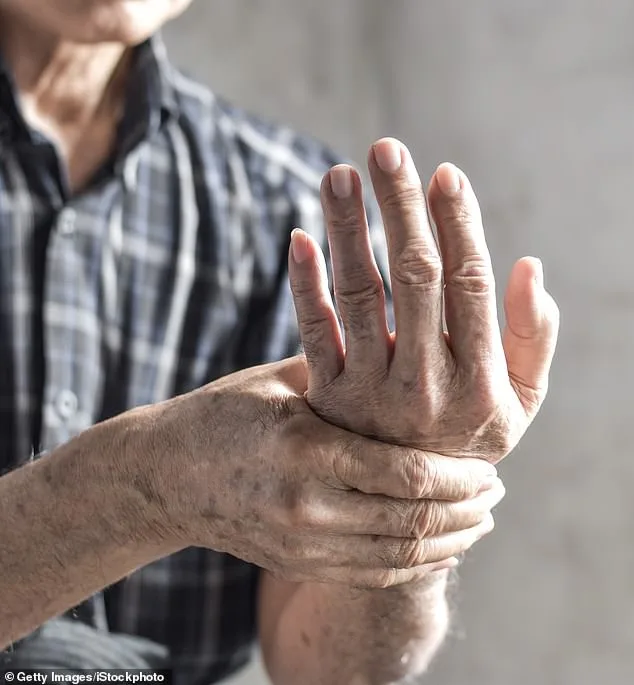
These cases highlight how medical conditions and public health concerns intersect with daily life. Whether it's numb hands limiting independence, debates over medication, or fears about infectious diseases, expert advice plays a crucial role in navigating these challenges. Dr. Scurr's insights underscore the need for accessible, evidence-based information to empower individuals and communities to make informed choices about their health.
The transmission of viral infections such as the common cold, influenza, and other respiratory illnesses hinges on a delicate interplay of microscopic forces. Unlike bacteria, which rely on direct physical contact or the exchange of bodily fluids—be it through shared utensils, lip contact, or even casual facial proximity—viruses exploit the air itself as a conduit for their spread. When an infected individual coughs or sneezes, they expel minuscule droplets, each one a tiny vessel carrying viral particles. These droplets, often invisible to the naked eye, linger in the air for moments before settling on surfaces or being inhaled by others. This airborne mechanism allows viruses to transcend physical barriers, making them far more elusive and pervasive than their bacterial counterparts. The implications of this distinction are profound, shaping not only the epidemiology of disease but also the strategies public health officials employ to contain outbreaks.
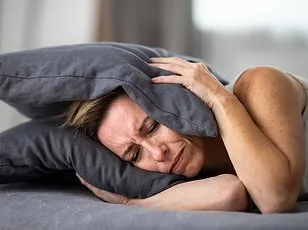
In the context of recent health advisories, the specific geography of an outbreak becomes a critical factor in assessing risk. Consider, for instance, the situation in Kent, where concerns over pathogen transmission have sparked discussions among medical professionals. While the region has seen localized clusters of illness, experts emphasize that the likelihood of a widespread, uncontrolled spread akin to the Covid-19 pandemic is exceedingly low. This is largely due to the inherent differences in transmissibility between viruses and the specific nature of the current pathogen in question. Unlike SARS-CoV-2, which demonstrated an alarming capacity for rapid, large-scale dissemination, the viruses responsible for common ailments are constrained by their reliance on droplet-based transmission. This means that while close proximity increases risk, the absence of aerosolized particles or prolonged airborne viability significantly limits the scope of potential infection.
Nonetheless, the landscape of public health is ever-evolving, and proactive measures remain a cornerstone of disease prevention. As vaccine supplies stabilize and distribution networks regain their former efficiency, healthcare authorities are increasingly urging parents to consider immunization against meningococcal group B (MenB) for adolescents aged 15 and above. This recommendation is not arbitrary; it stems from a convergence of epidemiological data and clinical expertise. MenB, a bacterial infection that can progress rapidly to life-threatening conditions such as meningitis and sepsis, poses a particular threat to younger populations. The vaccine, which has demonstrated high efficacy in preventing infection, is a critical tool in mitigating the risk of outbreaks in schools and densely populated areas. Public health officials stress that vaccination is not merely a personal choice but a communal responsibility, designed to create herd immunity and protect those who cannot be vaccinated for medical reasons.
For those with lingering questions or concerns about their health, Dr. Martin Scurr, a respected medical correspondent, welcomes inquiries at Good Health, Daily Mail, 9 Derry Street, London, W8 5HY, or via email at [email protected]. Readers are encouraged to include their contact details when reaching out, though responses will be provided in a general context and not tailored to individual cases. As always, the advice of a qualified general practitioner should be sought for any specific health-related concerns, ensuring that decisions are informed by personalized medical guidance rather than generalized recommendations. The interplay between public health directives and individual well-being remains a delicate balance, one that requires both scientific rigor and community cooperation to navigate effectively.
Photos