11 Arrested in Manchester as Far-Right Group Britain First Clashes with Counter-Demonstrators

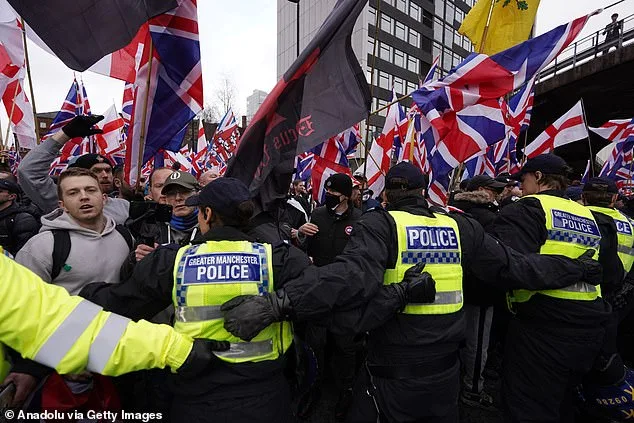
Police arrested 11 people in Manchester city centre as violence broke out between far-right protesters and counter-demonstrators. The incident occurred during a tense day of planned marches, with tensions flaring as opposing groups clashed in the heart of the city. The conflict came to a head as Britain First, a far-right group, attempted to march for 'remigration' and mass deportations, drawing significant opposition from counter-demonstrators.
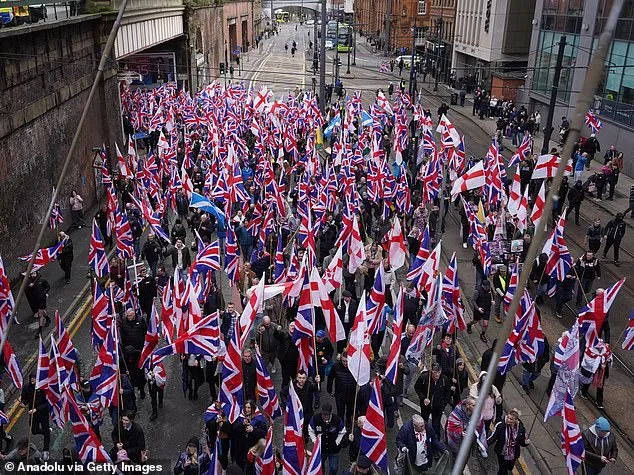
Supporters of Britain First gathered outside Piccadilly station from 12pm, preparing for their march. At the same time, counter-demonstrators, including groups like Resist Britain First and Stand Up To Racism, arrived earlier at Piccadilly Gardens at 11.15am. The gathering set the stage for a confrontation that would soon unfold. Police held back the Britain First march for an hour, delaying its start until just after 1pm. A 10-hour dispersal order was also issued in the city centre, aiming to manage the potential chaos of the events.
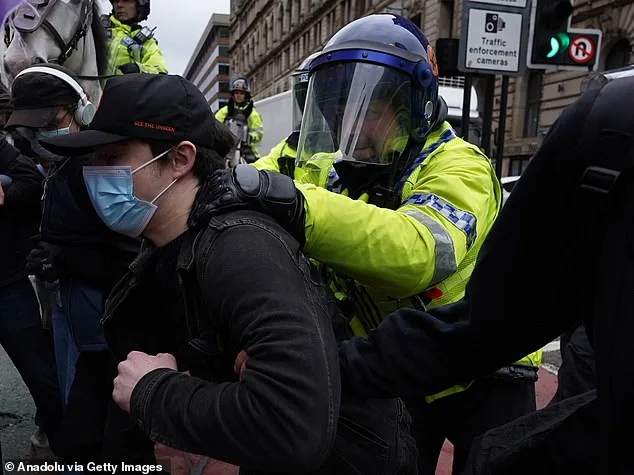
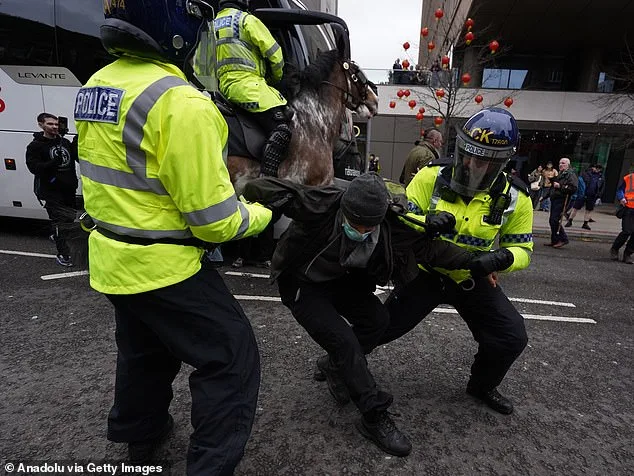
Tensions had already begun to rise before the march officially commenced. Ahead of the planned protests, pictures emerged of protesters clashing with each other and with police. Fights broke out along the routes of the rallies, creating an atmosphere of uncertainty and fear. Counter-protesters were seen attempting to block the Britain First march by sitting in the road, a strategy intended to slow or stop the far-right group's movement through the city.
Greater Manchester Police confirmed that they made 11 arrests in relation to public order, breach of peace, assault on an emergency worker, and breach of a dispersal notice. Of those arrested, two were later released, while the remaining nine remained in custody. The arrests marked a significant law enforcement response to the violence and disorder that unfolded in the city centre.
Before the protests began, Manchester city council leader Bev Craig had already made it clear that the city was not welcoming to Britain First. She urged residents to 'send a clear message that hate has no place in our city.' Her words reflected the city's stance against far-right groups and their inflammatory rhetoric. The council leader's statement underscored the community's commitment to unity and the rejection of divisive and harmful ideologies.
The day's events were not without their own unique set of challenges. As Britain First's march began, supporters carried UK flags and demanded mass deportations. The march was part of a larger effort to push for what the group described as a 'march for remigration.' The event drew considerable attention, as counter-protesters were dragged away by police, highlighting the intensity of the confrontation.
Paul Golding, the leader of Britain First, participated in the march, reinforcing the group's message of ethnic exclusion and remigration. His presence was met with resistance, as counter-protesters sought to disrupt the march and make their own voices heard. The event was marked by a stark contrast in ideologies, with Britain First advocating for exclusion and counter-protesters calling for inclusivity and equality.
A spokesperson for Resist Britain First condemned the march as a 'racist dogwhistle calling for a white supremacist ethnic cleansing of the United Kingdom by the forced expulsion of non-white people.' The group pointed to previous incidents during Britain First's marches, which had resulted in recorded instances of racism, homophobia, and violence by attendees. They urged people across the UK to come to Manchester to resist this form of bigotry and show that it was not acceptable.
Assistant Chief Constable Rick Jackson of Greater Manchester Police provided a statement addressing the events. He noted that Manchester had been expected to be extremely busy that day, with multiple planned protests in the city centre and several football matches. The police had deployed extra officers to support people's right to protest peacefully while minimizing the impact on the wider public. Jackson credited the efforts of officers on the ground and the planning done with partners, stating that hundreds of people from various groups were able to gather safely without significant issues.
The statement from the police chief emphasized the city's commitment to being a place where people can express their views confidently and lawfully. He reiterated the importance of ensuring that residents, workers, and visitors could go about their day feeling safe. This message was a clear reminder of the city's dedication to maintaining order and protecting the rights of all individuals, regardless of their beliefs or backgrounds.
As the day came to a close, the events in Manchester highlighted the ongoing tensions between far-right groups and their opponents. The protests were not only a test of law enforcement capabilities but also a reflection of the broader societal divisions that continue to shape the political landscape in the UK. The outcome of the day's events will likely have lasting implications for the city and the nation as a whole.
Photos